The Era of Patronizing "Ladies' Days"
In 1883, the New York Giants introduced "Ladies' Day" at the Polo Grounds—but not because they valued female fans. Women were admitted free on specific weekdays because team owners believed their presence would encourage men to behave better and drink less. The underlying message was clear: women didn't really want to be there, but maybe they'd come if you paid them to show up.
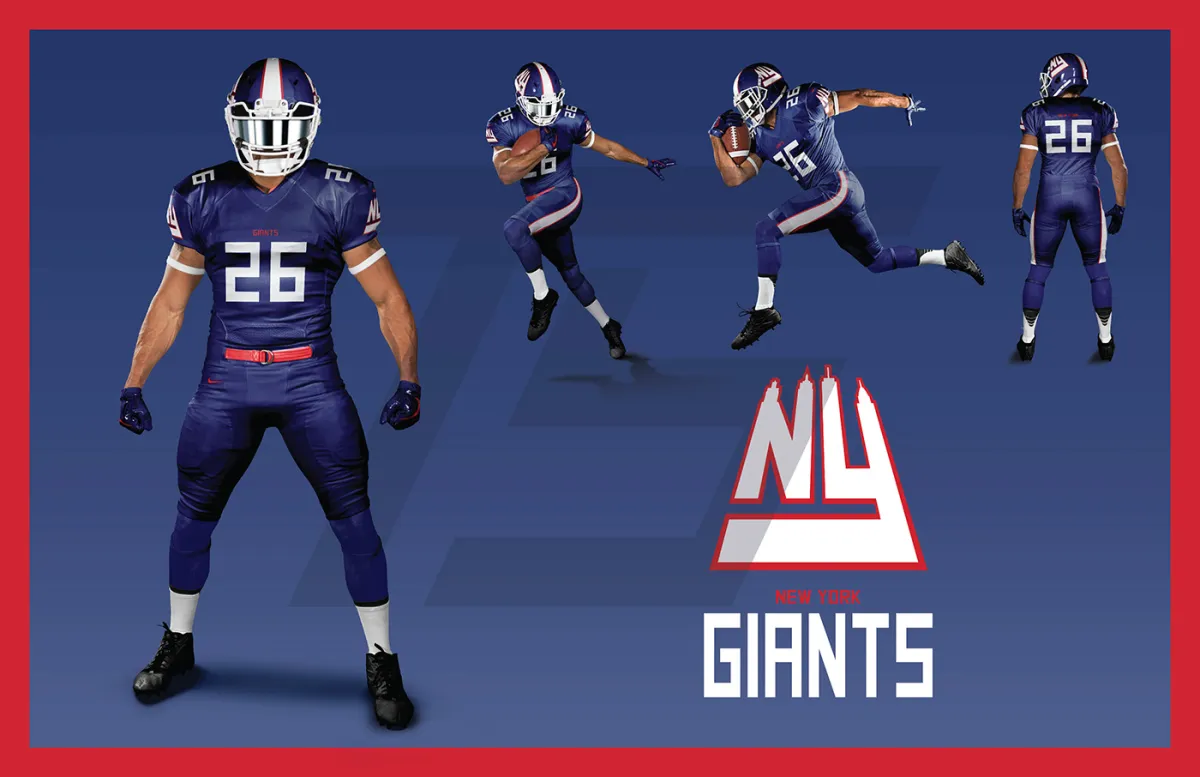 Photo: New York Giants, via mir-s3-cdn-cf.behance.net
 Photo: Polo Grounds, via i.pinimg.com
This wasn't progressive thinking—it was damage control. Baseball stadiums were rowdy, beer-soaked environments where spitting, cursing, and brawling were standard entertainment. Women were seen as a civilizing influence, not as genuine fans who might actually understand what was happening on the field.
The condescension was built right into the marketing. Teams offered "ladies' sections" with special amenities like cushioned seats and protection from tobacco smoke. Programs included simplified explanations of basic rules, assuming women couldn't grasp concepts like stolen bases or earned run averages without help.
When Knowing the Score Made You Suspicious
For most of the 20th century, a woman who displayed genuine baseball knowledge was viewed with suspicion. Sports columnists regularly wrote about the novelty of finding a female fan who could discuss batting averages or pitching rotations. The assumption was that women attended games for social reasons—to be seen, to accompany their husbands, or to catch a husband.
This attitude extended beyond baseball. When the NFL began gaining popularity in the 1960s, television broadcasts included segments explaining basic football concepts specifically for female viewers. Announcers would pause to define terms like "first down" or "field goal," treating women like confused outsiders who needed constant translation.
Team merchandise reflected these assumptions. While men got jerseys, caps, and team jackets, women's options were limited to pink versions of men's gear or items that barely referenced the team at all. The message was unmistakable: you can support our team, but only in ways that emphasize your femininity over your fandom.
The Billion-Dollar Awakening
Everything changed when teams discovered what their attendance data had been telling them for years: women weren't reluctant passengers—they were driving the bus. By the 1990s, research revealed that women influenced or made the majority of household spending decisions, including entertainment purchases.
Suddenly, the NFL realized that women comprised 45% of their television audience. Major League Baseball found that female fans were more likely to purchase merchandise and attend multiple games per season. The NBA discovered that women were sharing game highlights on social media at higher rates than men.
The numbers were staggering. Female sports fans represented a market worth billions in ticket sales, merchandise, and television advertising. Teams had been leaving money on the table for decades by treating half their potential audience as an afterthought.
The Great Marketing Pivot
What followed was the most dramatic shift in sports marketing history. Teams didn't just start acknowledging female fans—they began aggressively courting them. The changes were comprehensive and sometimes comical in their sudden intensity.
Stadium amenities were redesigned with women in mind. Concession stands added healthier food options and wine selections. Restrooms were upgraded and expanded. Family-friendly sections replaced the old boys' club atmosphere of many venues.
Merchandise lines exploded with options designed specifically for women. Not just pink jerseys, but fitted clothing, fashion-forward designs, and accessories that allowed female fans to show team loyalty while expressing personal style. Teams hired fashion consultants and conducted focus groups to understand what female fans actually wanted.
When the Students Became the Teachers
Perhaps most significantly, teams stopped assuming women needed sports explained to them. Research revealed that female fans often knew as much about their teams as male fans—sometimes more. Women were more likely to follow minor league farm systems, track player statistics, and engage with teams on social media.
This led to a complete reversal in how sports were presented. Instead of dumbing down content for female audiences, teams began creating sophisticated fan experiences that appealed to knowledgeable consumers regardless of gender. Fantasy sports leagues, statistical analysis, and in-depth player coverage expanded because teams realized their female audience could handle complexity.
The New Power Dynamic
Today's female sports fans wield unprecedented influence. They drive merchandise sales, social media engagement, and television ratings. Teams compete fiercely for their attention and loyalty. The NFL's "Women's Summit" brings together female executives, players, and fans to shape the league's future direction.
Major League Baseball's "Play Ball" initiative specifically targets young girls, recognizing that female participation in youth sports translates to lifelong fandom. The NBA has built entire marketing campaigns around empowering female fans and celebrating their knowledge and passion.
The transformation is visible in every aspect of professional sports. Female sports reporters are no longer novelties—they're respected voices whose insights drive national conversations. Women's opinions on trades, draft picks, and coaching decisions carry weight in sports media.
From Afterthought to Aftermarket
The irony is impossible to ignore. For most of sports history, teams treated women as reluctant participants who needed special incentives to care about games. Now, female fans are considered the most valuable demographic in professional sports—more loyal, more engaged, and more likely to spend money than their male counterparts.
What changed wasn't women's interest in sports—it was the industry's willingness to recognize and respect that interest. The "Ladies' Days" of the 1880s were about getting women to show up. Today's marketing strategies are about keeping them engaged, informed, and invested.
The woman who once needed basic rules explained to her is now the fan teams most want to reach. She's more likely to buy season tickets, purchase merchandise, and introduce the next generation to sports fandom. The reluctant guest became the guest of honor, and professional sports became infinitely richer for finally paying attention.