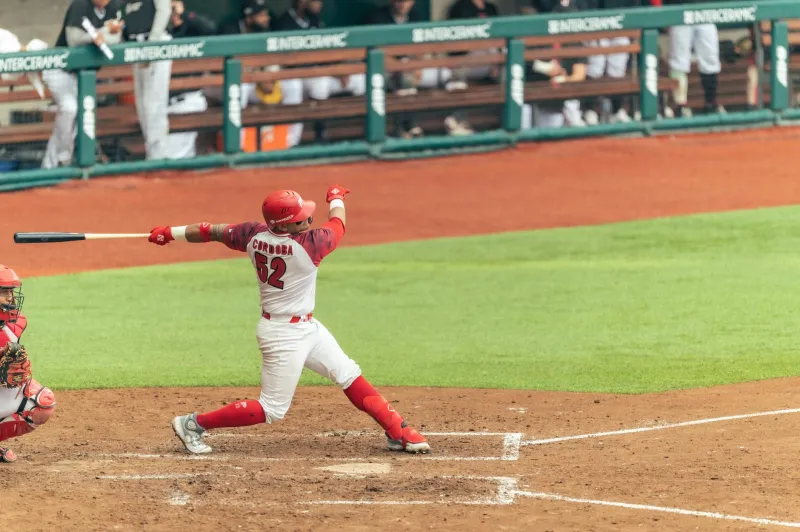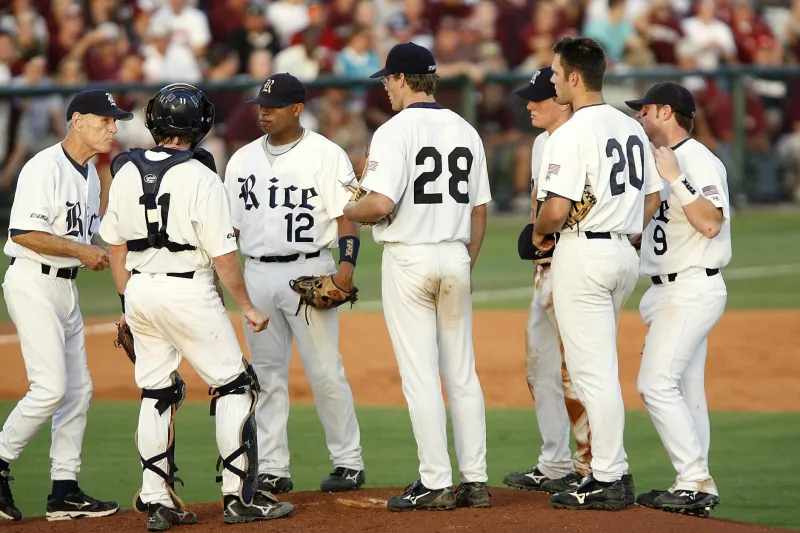
Picture this: It's 1975, and you're watching the World Series on television. Between innings, the camera pans across the dugout, and there's your favorite pitcher casually lighting up a cigarette while his teammates chat nearby. The stadium's PA system announces that tonight's game is brought to you by Marlboro, and during the seventh-inning stretch, a tobacco company commercial featuring three different All-Stars reminds you that "champions choose quality."
This wasn't some rogue behavior or rebellious statement. This was Tuesday night baseball.
When Tobacco Companies Owned the Clubhouse
For decades, smoking wasn't just tolerated in professional sports—it was actively promoted. Major League Baseball had official partnerships with cigarette manufacturers throughout the 1950s and 1960s. Players received cartons of free cigarettes as part of their contracts. Dugouts were equipped with ashtrays as standard equipment, right next to the bat racks and water coolers.
Babe Ruth famously endorsed Lucky Strikes. Ted Williams appeared in Chesterfield ads. Even into the 1970s, it wasn't uncommon to see players smoking between innings, and coaches often kept a pack in their back pocket during games. The logic was simple: if smoking was good enough for doctors (as tobacco ads claimed), it was certainly good enough for ballplayers.
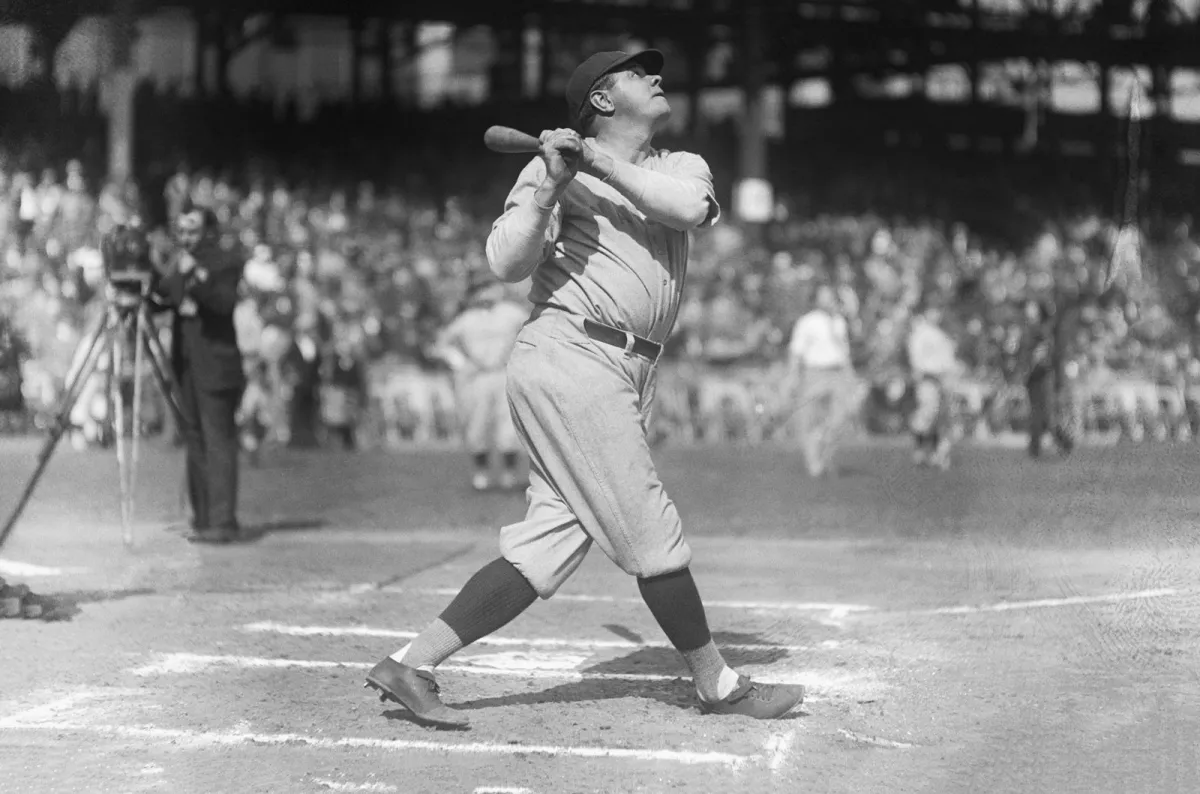 Photo: Babe Ruth, via cdn.britannica.com
The culture extended beyond baseball. Basketball players smoked in locker rooms at halftime. Football players lit up on the sidelines during timeouts. Tennis players took smoking breaks between sets at major tournaments. Arnold Palmer, one of golf's biggest stars, had a cigarette company as a major sponsor well into the 1960s.
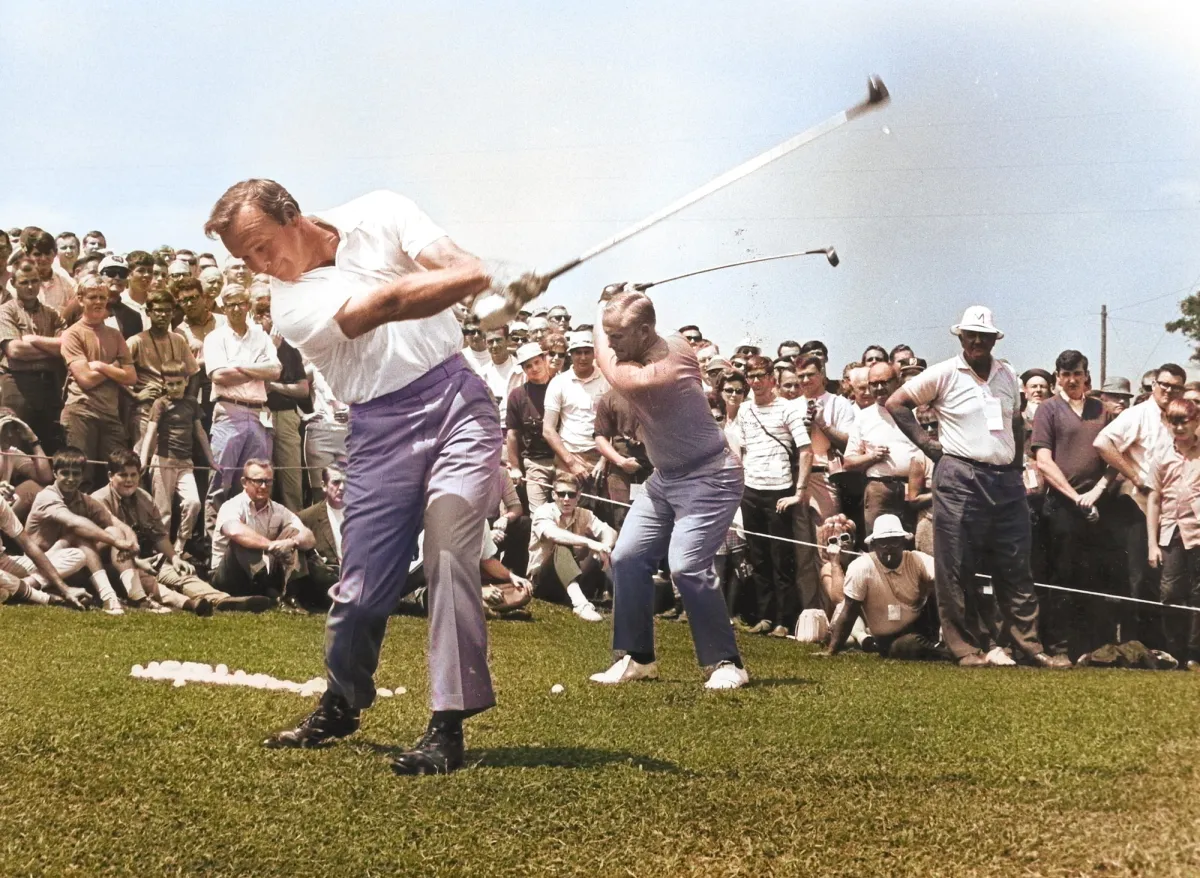 Photo: Arnold Palmer, via arnoldpalmerinvitational.com
The Slow Awakening
The shift didn't happen overnight. Even as medical evidence mounted against smoking in the 1970s and 1980s, athletic culture was slow to change. Many players viewed cigarettes as a way to calm nerves or maintain weight. Some pitchers claimed smoking helped them focus between innings.
It wasn't until the late 1980s that MLB banned smoking in dugouts and on the field during games. But even then, players could still smoke in clubhouses, and many did. The last generation of openly smoking major leaguers didn't retire until the early 2000s.
Enter the Age of Optimization
Fast-forward to today, and the contrast is staggering. Modern professional athletes don't just avoid cigarettes—they've turned recovery and health optimization into a full-time science project.
Today's baseball players sleep in climate-controlled environments with blackout curtains and white noise machines. They wear devices that monitor their heart rate variability, track their REM cycles, and measure their body temperature throughout the night. Teams employ sleep specialists who analyze data to determine optimal bedtimes for individual players based on game schedules and circadian rhythms.
The Los Angeles Lakers' training facility includes cryotherapy chambers that expose players to temperatures of minus-200 degrees Fahrenheit for recovery. The Golden State Warriors have invested in "float tanks"—sensory deprivation pods filled with saltwater where players can achieve deeper relaxation states.
 Photo: Golden State Warriors, via www.footykithub.com
The Billion-Dollar Recovery Industry
What was once a cigarette break between innings has been replaced by an entire ecosystem of recovery technology. Professional athletes now use hyperbaric oxygen chambers, infrared saunas, and compression therapy systems. They drink specialized recovery beverages designed at the molecular level and take supplements that are tested for dozens of banned substances.
Sleep has become such a priority that some teams now schedule practices and travel based on circadian rhythm research. Players use apps that track their sleep quality and receive personalized recommendations for everything from room temperature to meal timing.
The financial investment is enormous. While a pack of cigarettes cost players about fifty cents in 1970 (roughly $3.50 in today's money), modern athletes routinely spend tens of thousands of dollars annually on recovery technology, specialized nutrition, and sleep optimization.
The Cultural Revolution
This transformation reflects a broader cultural shift in how we think about health and performance. In the cigarette era, athletes were seen as naturally gifted individuals who succeeded despite their habits. The focus was on raw talent and toughness.
Today's approach treats the human body as a complex system that can be optimized through data and technology. Every aspect of an athlete's life—from sleep patterns to gut bacteria—is considered a potential competitive advantage.
The irony is striking: players who once needed ashtrays in their workspace now obsess over air quality monitors and breathing techniques. The same dugouts that featured cigarette advertisements now showcase partnerships with sleep technology companies and recovery drink manufacturers.
What Changed Everything
The shift wasn't just about health awareness—it was about competitive advantage. As sports science evolved, teams realized that recovery and wellness could be the difference between winning and losing. When millions of dollars in salary and endorsements are on the line, every marginal gain matters.
Smoking went from being a casual habit to a career liability. Sleep went from being something you did when tired to a performance tool as important as practice.
Looking back, it's remarkable how completely the culture transformed. The generation that smoked between innings would be baffled by today's athletes, who treat their bodies like Formula One race cars requiring premium fuel and constant monitoring.
Yet both approaches shared a common thread: athletes have always looked for ways to gain an edge. They just traded ashtrays for sleep apps, and somehow, the game got a whole lot more complicated.