When Superstars Sat in Middle Seats
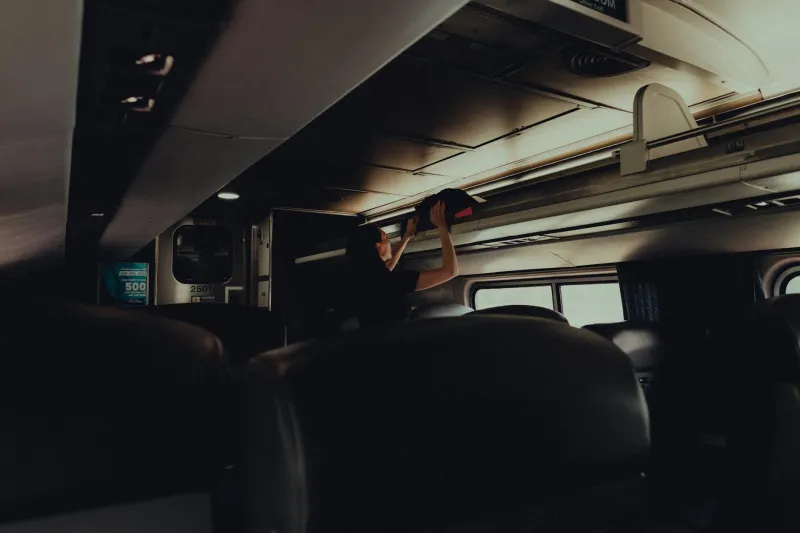
In 1983, Magic Johnson was already one of the most recognizable athletes in America, leading the Los Angeles Lakers to multiple championships and earning millions in endorsement deals. But when the Lakers traveled to away games, Magic would walk through airport terminals like any other passenger, carry his own luggage, and squeeze into coach seats alongside fans who had paid to watch him play just hours later.
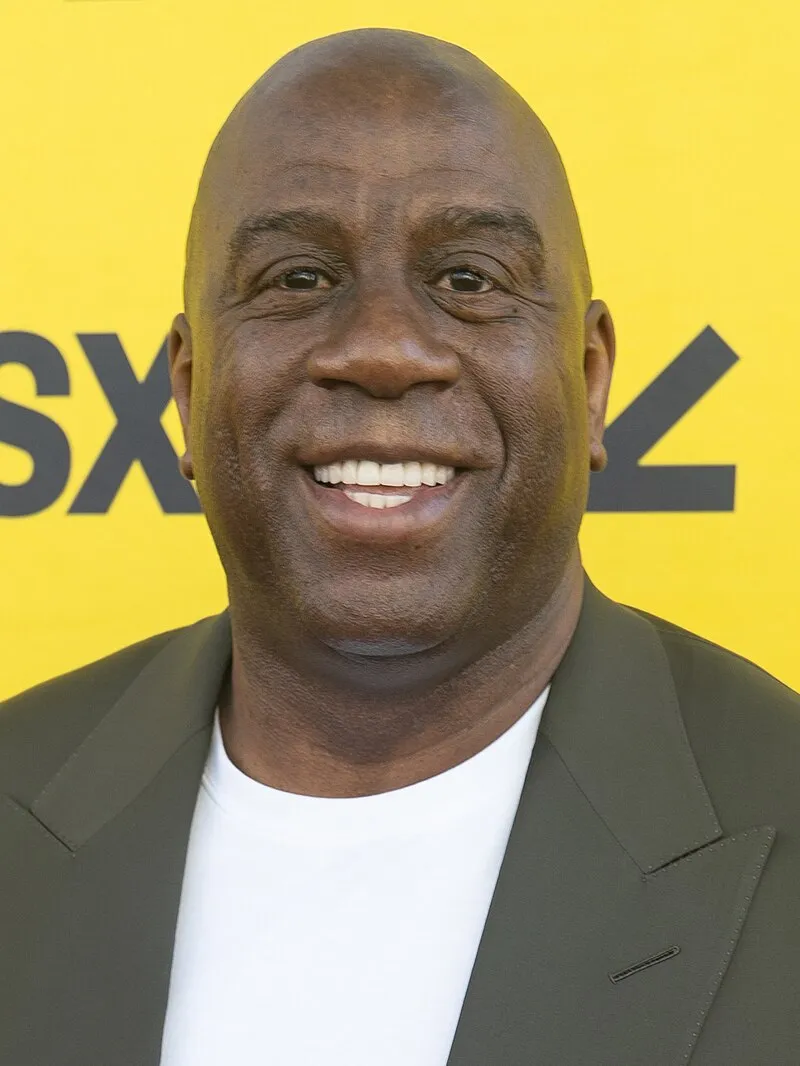 Photo: Magic Johnson, via upload.wikimedia.org
This wasn't some cost-cutting measure by a struggling franchise — it was simply how professional basketball teams traveled. The idea that athletes deserved special treatment, private transportation, or luxury accommodations was largely foreign to the sports world. Players were employees, and employees flew commercial.
The Greyhound Bus Era of Professional Basketball
The early decades of the NBA were defined by travel arrangements that would horrify today's player agents. Teams regularly took overnight bus trips for games that were hundreds of miles apart, with players sleeping in cramped seats while traveling through the night. The Boston Celtics, even during their championship runs in the 1960s, would pile into a bus for the trip from Boston to New York, arriving at Madison Square Garden after a night of fitful sleep on the highway.
Bill Russell, arguably the greatest winner in NBA history, later recalled traveling to games on buses where players would take turns driving through the night. "We'd switch off every few hours," Russell remembered. "Red [Auerbach] would be in the front seat with a map, and we'd be in the back trying to get some rest before playing the Knicks."
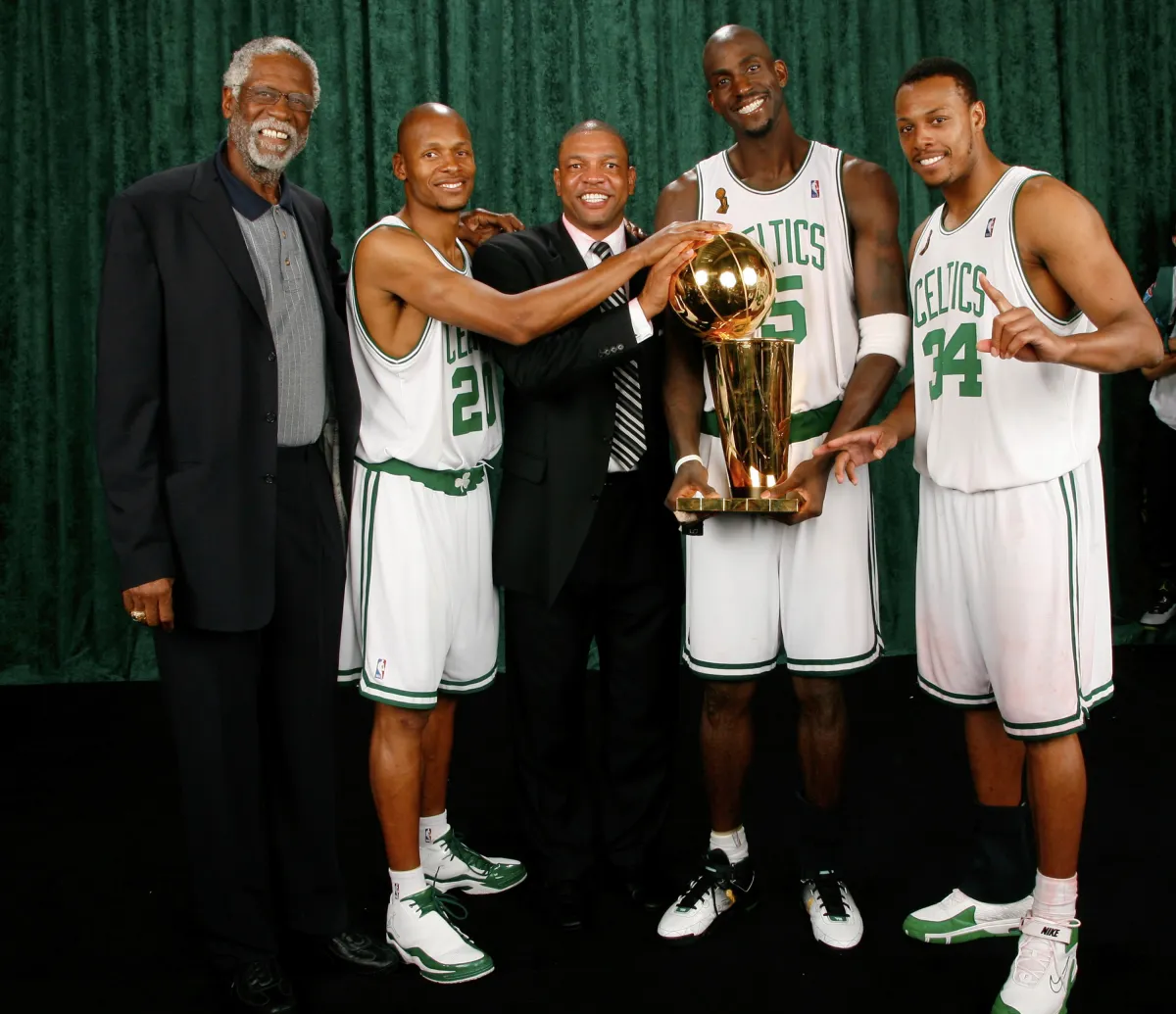 Photo: Bill Russell, via cdn.nba.com
When teams did fly, it was always commercial, and always coach. The NBA's travel budget in those days treated players like any other business travelers — the goal was to get from Point A to Point B as cheaply as possible. Players would arrive at airports two hours before departure like everyone else, go through normal security lines, and hope their flights weren't delayed.
Three to a Room, Two to a Bed
Hotel accommodations were equally spartan. Teams routinely booked players into shared rooms, and during the league's early decades, it wasn't uncommon for three players to share a room with two beds. Rookies got the floor or a rollaway cot if they were lucky.
Jerry West, the Lakers legend whose silhouette became the NBA logo, spent his early career sharing budget hotel rooms with teammates. "We'd flip coins to see who got which bed," West recalled. "Sometimes you'd wake up and your roommate would already be gone for a morning shootaround, and you'd realize you hadn't gotten a good night's sleep in weeks."
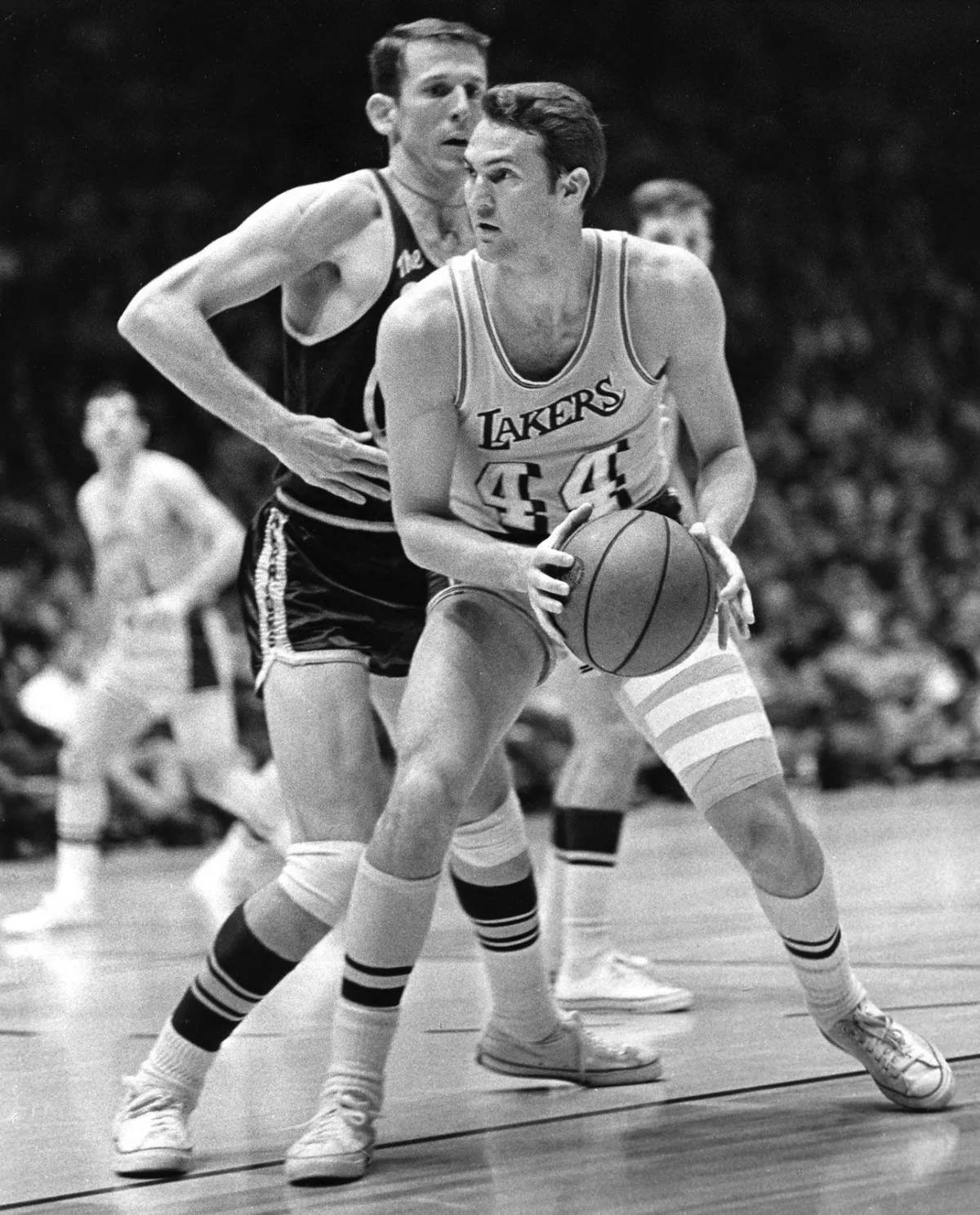 Photo: Jerry West, via cdn.britannica.com
The hotels weren't exactly luxury accommodations either. Teams stayed at mid-range properties that offered group rates, often in locations chosen more for price than convenience. Players would frequently find themselves staying at airport hotels or properties miles from the arena, adding long bus rides to their pre-game routine.
When Game Uniforms Doubled as Travel Clothes
Perhaps nothing illustrates the casual nature of early NBA travel like the fact that players sometimes arrived at arenas still wearing their travel clothes from commercial flights. There were no team-provided warm-up suits, no coordinated travel uniforms, and certainly no styling teams to ensure players looked professional stepping off planes.
Players would pack their game uniforms in regular luggage, which occasionally got lost by airlines. Stories from the 1960s and 1970s include players borrowing uniforms from opposing teams, wearing mismatched numbers, or playing in practice gear when their luggage didn't make connecting flights.
The contrast with today's NBA travel experience is almost comical. Modern players have team-employed staff whose only job is managing travel logistics, ensuring uniforms arrive safely, and coordinating every detail of the journey from hotel to arena.
The Charter Flight Revolution
The transformation began slowly in the 1980s as television money started flowing into the league. Teams began chartering flights for longer trips, though commercial travel remained the norm for most destinations. The real change came in the 1990s as player salaries exploded and the league's profile grew dramatically.
By the early 2000s, most teams had switched to charter flights for all travel, but even these early charters were basic affairs — standard commercial aircraft with coach seating, just without other passengers. The luxury amenities that define modern NBA travel were still years away.
The Private Jet Arms Race
Today's NBA travel experience represents a complete reversal from the league's humble transportation roots. Teams now operate private jets with fully reclining seats, gourmet catering, and entertainment systems. Some franchises have invested in custom-designed aircraft with beds, conference rooms, and medical facilities.
The Dallas Mavericks, under owner Mark Cuban, pioneered many modern NBA travel luxuries. Cuban famously upgraded the team's charter to a 757 with first-class seating throughout, arguing that better rest would improve on-court performance. Other owners quickly followed suit, leading to an informal arms race in travel amenities.
Modern NBA players travel with entourages that include personal chefs, massage therapists, and equipment managers whose job is ensuring everything from preferred pillows to custom meals are available during travel. The team hotel is booked months in advance, with players receiving individual suites and access to private dining areas.
The Cost of Comfort
The financial transformation is staggering. While exact figures are closely guarded, NBA teams now spend more on travel in a single season than entire franchises were worth in the 1960s. A single charter flight for a cross-country trip can cost $50,000 or more, compared to the few hundred dollars per player that commercial flights cost in earlier eras.
This luxury comes at a time when ticket prices have made NBA games increasingly expensive for average fans. The irony isn't lost on longtime observers: as teams spend more on player comfort, the fans who remember when players flew commercial can no longer afford to attend games regularly.
The Human Side of Elite Travel
Interviews with retired players reveal mixed feelings about the travel evolution. Many appreciate that today's players don't have to endure the physical toll of cramped flights and shared hotel rooms, but some worry that the luxury creates distance between players and the communities that support them.
"There was something to be said for flying commercial," said former NBA guard Quinn Buckner. "You'd sit next to fans, sign autographs, talk to people. Now players are isolated from the moment they leave home until they get back. I'm not sure that's entirely good for the game."
When Accessibility Met Excellence
The transformation of NBA travel reflects broader changes in how America thinks about professional athletics, celebrity, and the relationship between performance and comfort. What started as a working-class league where players were treated like any other traveling employees has become an elite entertainment industry where every detail is designed to maximize performance and minimize inconvenience.
The next time you see an NBA team's private jet taxiing at an airport, remember that just a few decades ago, those same superstars were checking bags at ticket counters, hoping their connections weren't delayed, and sharing hotel rooms with teammates. The speed of that transformation says as much about American prosperity and changing attitudes toward celebrity as it does about basketball itself.