When Winning the Super Bowl Meant Getting a Glorified Desk Ornament
In January 1967, when the Green Bay Packers defeated the Kansas City Chiefs in what we now call Super Bowl I, Vince Lombardi received a trophy that looked like something you'd get for winning the company golf tournament. Standing just over a foot tall and weighing three pounds, the original championship trophy was so modest that NFL Commissioner Pete Rozelle literally handed it to Lombardi in the locker room without fanfare. No ceremony, no spotlights, no million-dollar halftime show preceding it.
 Photo: Super Bowl, via coloringpagesonly.com
The trophy was simple sterling silver, designed by Tiffany & Co. but with all the gravitas of a participation award. Players barely glanced at it. Reporters didn't bother taking photos. It was just another piece of hardware in an era when professional football was still fighting for legitimacy against college ball and baseball.
The Birth of an Icon Nobody Saw Coming
What's remarkable isn't just how small that first trophy was—it's how little anyone cared about it. The game itself was called the "AFL-NFL World Championship Game." The term "Super Bowl" was still unofficial, borrowed from a kid's toy called the Super Ball. Ticket prices ranged from six to twelve dollars, and the Los Angeles Memorial Coliseum had 30,000 empty seats.
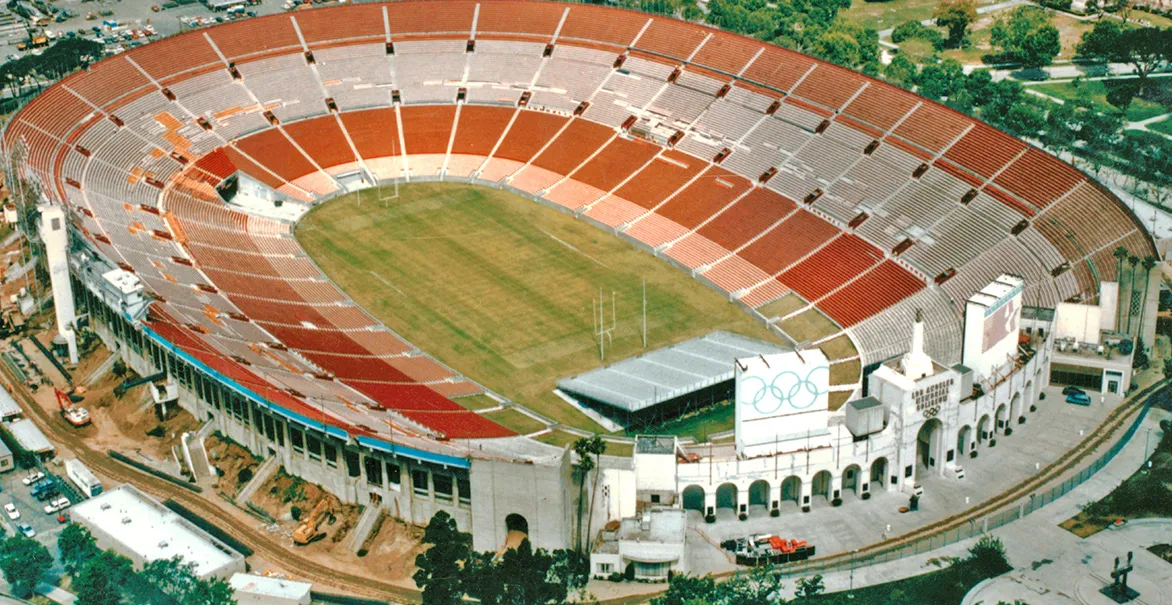 Photo: Los Angeles Memorial Coliseum, via seatingchartview.com
The trophy didn't even have a name. It was just "the championship trophy" until 1970, when the NFL renamed it the Vince Lombardi Trophy after the legendary coach's death. Even then, it took years for the award to develop the mystique it carries today.
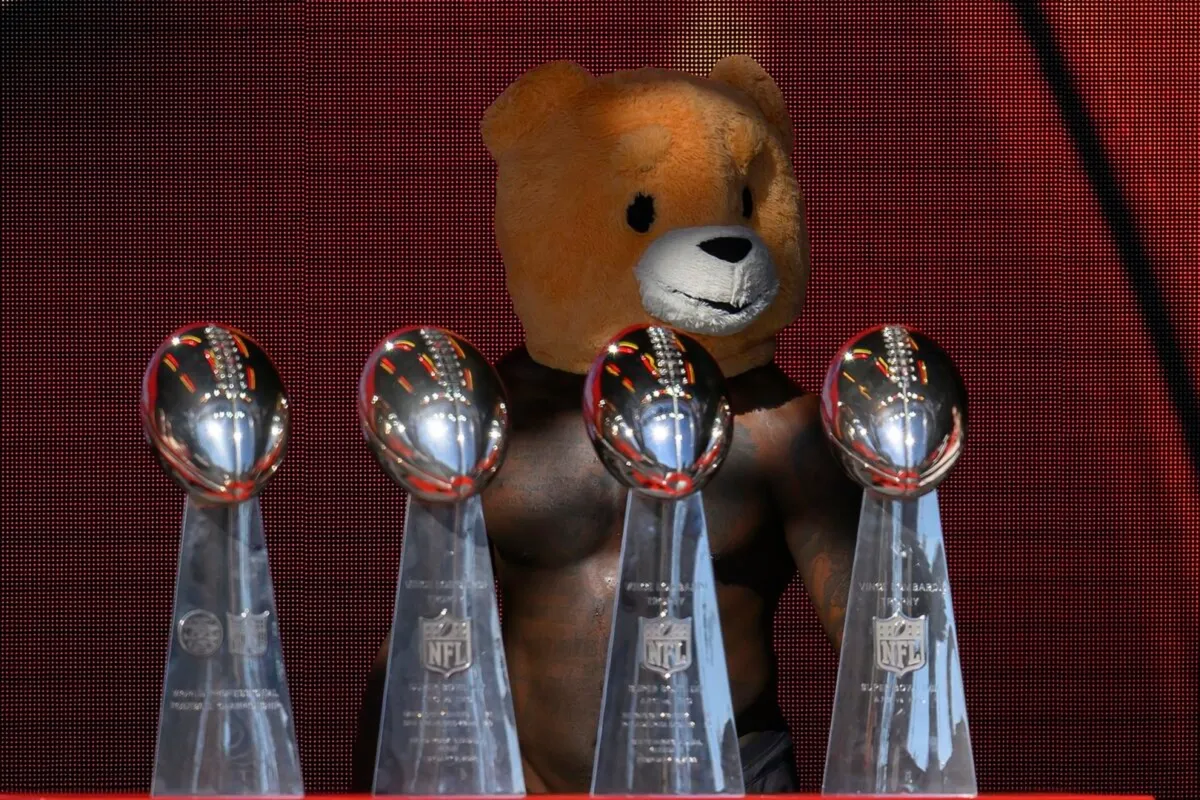 Photo: Vince Lombardi Trophy, via e00-marca.uecdn.es
Compare that casual handoff to what happens now. The modern Vince Lombardi Trophy presentation is choreographed down to the second. The trophy arrives at the stadium in an armored truck, accompanied by security guards. It's displayed in a bulletproof case before the game. When the final whistle blows, NFL officials emerge with white gloves to present the 22-inch, seven-pound sterling silver football to the winning team's owner.
When Football Was Just Another Sport
The transformation of the trophy mirrors football's own evolution from regional curiosity to cultural juggernaut. In 1967, the NFL was still smaller than Major League Baseball in every measurable way—attendance, television revenue, cultural impact. The Super Bowl wasn't yet the unofficial American holiday it would become.
Players had offseason jobs. Many fans discovered the championship game by accidentally flipping to it on one of the three television networks. The idea that this trophy would someday be kissed by presidents, displayed in Times Square, and generate billions in economic activity would have seemed absurd.
The Trophy That Launched a Thousand Traditions
Today's Vince Lombardi Trophy is manufactured by Tiffany & Co. in a process that takes four months and costs over $50,000. Each trophy is handcrafted, with artisans spending 72 hours just on the silver football that sits atop the stand. The company creates only one per year, specifically for the Super Bowl winner.
But the trophy's real value isn't monetary—it's cultural. Modern players speak about "touching the Lombardi" with religious reverence. Entire cities shut down for championship parades centered around displaying the trophy. Social media explodes with images of players hoisting it above their heads.
The trophy presentation itself has become theater. Network executives schedule the ceremony during peak viewing hours. The winning team's owner receives it first, followed by the head coach, then the team captain. Each moment is scripted, timed, and broadcast to over 100 million viewers worldwide.
From Afterthought to American Obsession
The evolution of how we treat this trophy reveals something profound about how sports conquered American culture. In 1967, professional football was entertainment. Today, it's identity, community, and economic engine rolled into one.
Consider this: the modern Super Bowl generates more than $1 billion in economic activity for the host city. The game's commercials cost $7 million for 30 seconds. The halftime show features A-list performers and costs more than many movies. All of this spectacle revolves around the presentation of a trophy that, 57 years ago, was handed over with less ceremony than a high school graduation award.
The Weight of Expectations
Perhaps most telling is how players themselves have changed in relation to the trophy. Early Super Bowl winners barely acknowledged it existed. Today's players spend their entire careers visualizing the moment they'll hold it. They refuse to touch conference championship trophies, saving that honor for the Lombardi. Some players have admitted to dreaming about the trophy presentation since childhood.
The trophy that once fit in a shoebox now requires its own security detail and travel itinerary. It's become the most recognizable prize in American sports, more famous than the Stanley Cup, the World Series trophy, or the NBA's Larry O'Brien Championship Trophy.
What started as a simple acknowledgment of victory became the centerpiece of the biggest annual event in American entertainment. The transformation of the Vince Lombardi Trophy from office decoration to sacred relic perfectly captures how football didn't just grow—it consumed everything around it, turning a modest game into the closest thing America has to a national religion.