One Man, One Ladder, and a Piece of Chalk: How Baseball Fans Tracked Games Before the Digital Age
The Scoreboard Keeper's Daily Climb
Picture this: It's 1952 at Fenway Park, and Ted Williams just connected with a fastball. While 30,000 fans erupt in cheers, one man remains focused on his job. He climbs a rickety ladder behind the Green Monster, chalk in hand, ready to update the score on a wooden board that looks more like a classroom blackboard than the technological marvel we know today.
 Photo: Fenway Park, via mcdn.wallpapersafari.com
This was how America followed baseball for the better part of a century. No LED displays flashing player stats, no digital readouts showing pitch counts, and certainly no smartphones delivering real-time analytics. Just one dedicated employee, usually working alone, manually updating scores with chalk or painted numbers that fans had to squint to read from the cheap seats.
When Following the Game Meant Using Your Imagination
Before the 1960s, most baseball scoreboards displayed only the bare essentials: runs, hits, errors, and maybe the current inning. Advanced statistics like batting averages or earned run averages? Forget about it. Fans who wanted that information had to bring their own scorecards and do the math themselves, or wait until tomorrow's newspaper.
The scoreboard operator's job was part athlete, part mathematician, and part performer. He had to track multiple games simultaneously, updating out-of-town scores that arrived via telegraph. When the Cubs were playing at Wrigley, he'd also post updates from games in New York, St. Louis, and Pittsburgh, keeping fans informed about pennant races happening hundreds of miles away.
These men became local celebrities in their own right. At Chicago's Comiskey Park, fans would cheer when the scoreboard keeper updated a rival team's loss. Some operators developed their own shorthand systems, using symbols and abbreviations that regular fans learned to decode like a secret language.
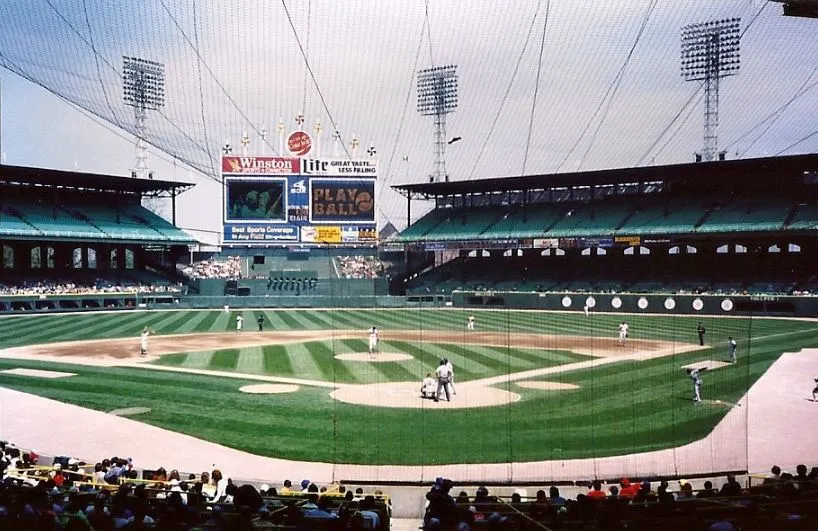 Photo: Comiskey Park, via www.ballparksofbaseball.com
The Telegraph Era: When News Traveled at Lightning Speed
Before radio broadcasts became common, baseball fans gathered outside newspaper offices to hear telegraph updates read aloud. Imagine hundreds of people crowding around a man with a megaphone, hanging on every word as he announced: "Bottom of the ninth in New York... Ruth steps to the plate... swing and a miss... strike two!"
This wasn't considered primitive at the time—it was cutting-edge technology. The telegraph allowed fans to follow games happening in real time, something that would have been impossible just decades earlier. Newspapers would post large chalkboards outside their buildings, updating scores throughout the day as telegraphed reports arrived.
Some enterprising businesses created "baseball theaters," where fans paid a nickel to watch an operator move a small wooden ball around a diamond-shaped board while reading telegraph updates. These early simulations drew packed crowds, proving that Americans' appetite for following sports remotely was already insatiable.
When Scoreboards Got Electric (Sort Of)
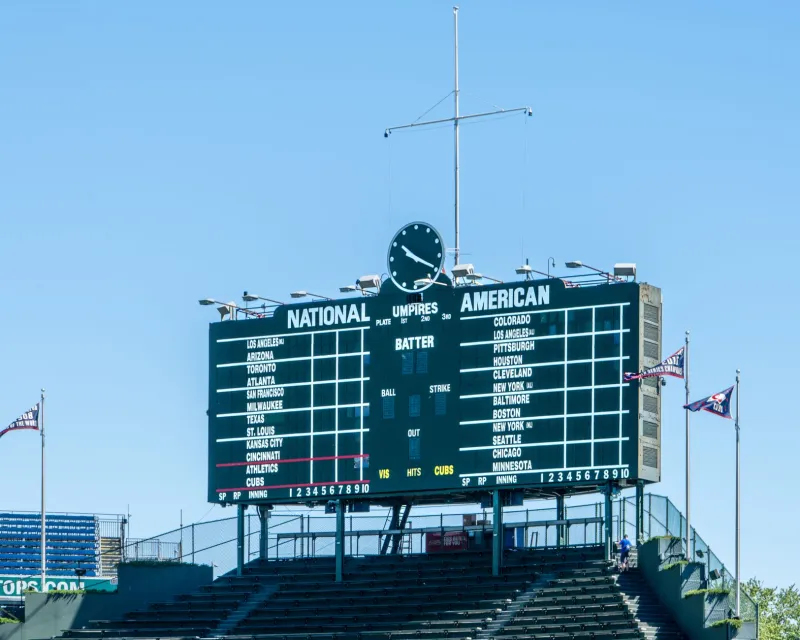
The first electric scoreboards appeared in the 1930s, but they were hardly the sophisticated displays we know today. Most featured simple light bulbs arranged to form numbers, controlled by switches that operators flipped manually. Wrigley Field's famous scoreboard, installed in 1937, was considered revolutionary because it could display the score, inning, and basic statistics all at once.
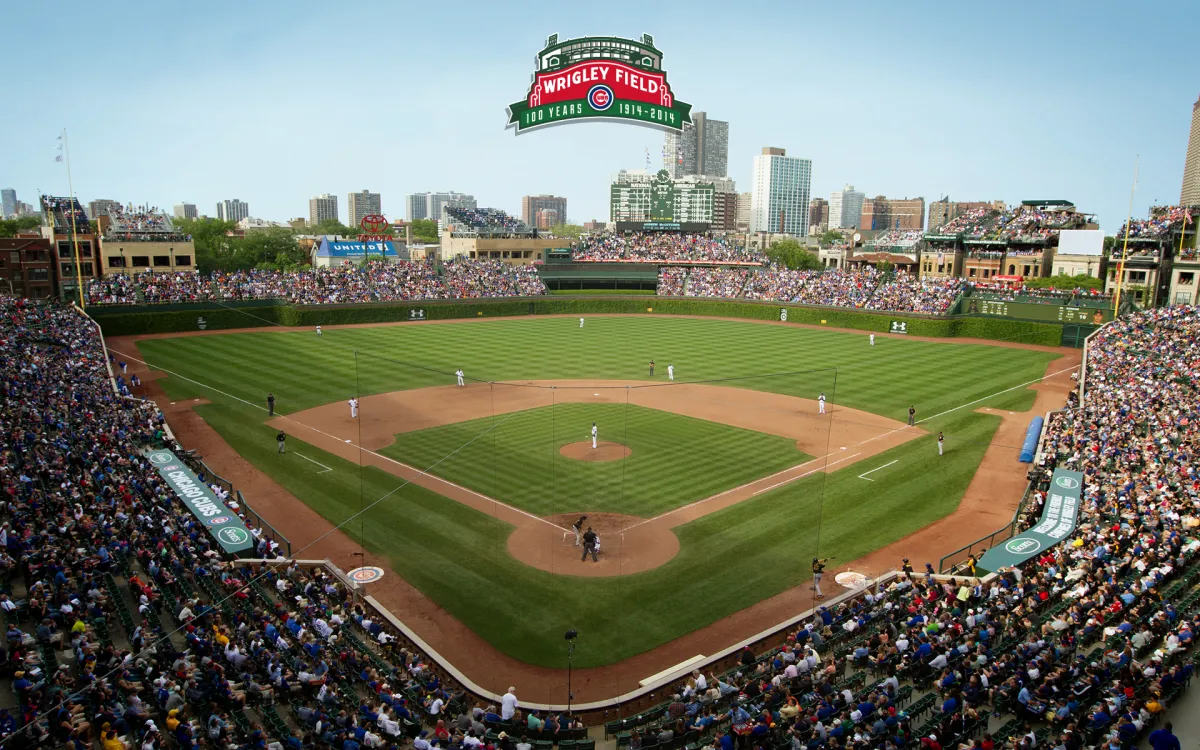 Photo: Wrigley Field, via cdn.wallpapersafari.com
Even these "modern" scoreboards required constant human intervention. Operators sat in small rooms behind the displays, flipping switches and changing light bulbs when they burned out. During day games in summer, these rooms became sweltering ovens, with temperatures reaching over 100 degrees.
The real innovation wasn't the technology—it was the ability to display more information simultaneously. For the first time, fans could see batting averages, pitching records, and detailed statistics without bringing their own reference materials.
The Birth of the Digital Revolution
The 1980s brought the first computer-controlled scoreboards, though they were still relatively simple by today's standards. Astrodome's "Astrolite" scoreboard, installed in 1988, could display basic graphics and multiple colors, but programming it required specialized knowledge that only a few technicians possessed.
These early digital boards were prone to malfunctions that would shut down entire sections of the display. Backup systems were rare, so operators often kept chalk and portable boards nearby, ready to revert to old-school methods when technology failed.
The real game-changer came with the introduction of video replay capabilities in the 1990s. Suddenly, fans could see instant replays of controversial calls, slow-motion highlights, and player interviews between innings. The scoreboard transformed from a simple information display into an entertainment center.
Today's Second Screen Experience
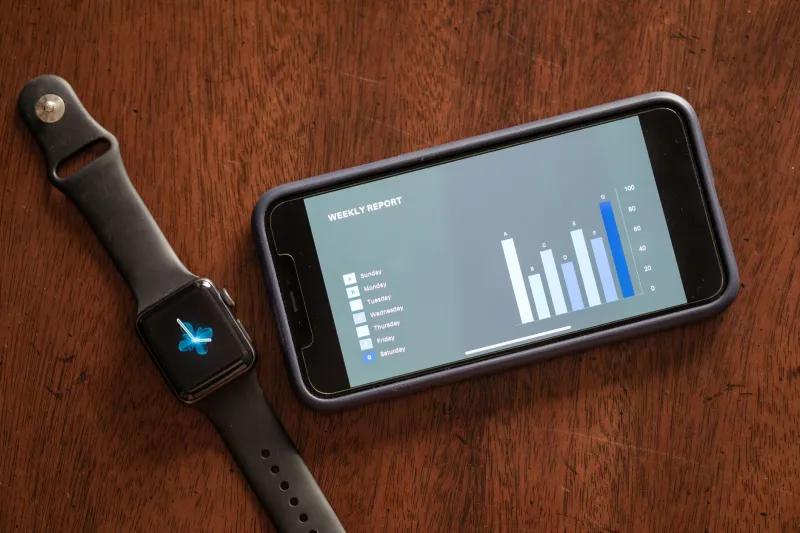
Modern baseball fans don't just watch the scoreboard—they carry one in their pocket. Today's smartphones deliver more real-time information than the most advanced stadium scoreboard from the 1990s. Fans can access pitch velocity, spin rate, launch angle, and exit velocity before the ball even lands in the catcher's mitt.
Apps like MLB At Bat provide live statistics, player comparisons, and instant video highlights from every angle. Fans sitting in the stadium often know more about what just happened than the players on the field, thanks to advanced analytics delivered in real time.
The modern stadium experience includes multiple video boards, LED ribbon displays, and smartphone apps that sync with the game action. Some stadiums now offer augmented reality features that overlay player statistics when fans point their phones at the field.
The Human Element We Lost
What we've gained in information, we've perhaps lost in community. The old scoreboard keeper was a shared reference point for everyone in the stadium. When he made an error or posted an update about a rival team's loss, the entire crowd reacted together.
Today's personalized digital experience means fans sitting next to each other might be following completely different aspects of the same game. One person watches pitch-by-pitch analysis on their phone while another follows fantasy statistics on their tablet.
The chalk-wielding scoreboard keeper represented something beautifully simple: one human being, doing his best to keep thousands of people informed with the tools available to him. His occasional mistakes became part of the game's charm, something impossible to replicate in our age of automated precision.
From squinting at hand-painted numbers to accessing real-time analytics on demand, the evolution of baseball scoreboards reflects how dramatically our relationship with information itself has changed. We've traded the shared experience of waiting for updates for the individual power to know everything, instantly.