The Silver Bowl Nobody Wanted to Win: How Pro Football's Ultimate Prize Transformed From Afterthought to Icon
When Champions Shrugged at Their Prize
The first AFL-NFL Championship Game trophy in 1967 weighed three pounds, cost $50 to make, and looked like something you'd find gathering dust in a high school trophy case. Players from the Green Bay Packers barely glanced at it during the post-game ceremony. There were no white gloves, no dramatic unveiling, no breathless commentary about its symbolic weight. It was just a silver football on a stand, handed over like a participation ribbon at a company picnic.
 Photo: Green Bay Packers, via 1000logos.net
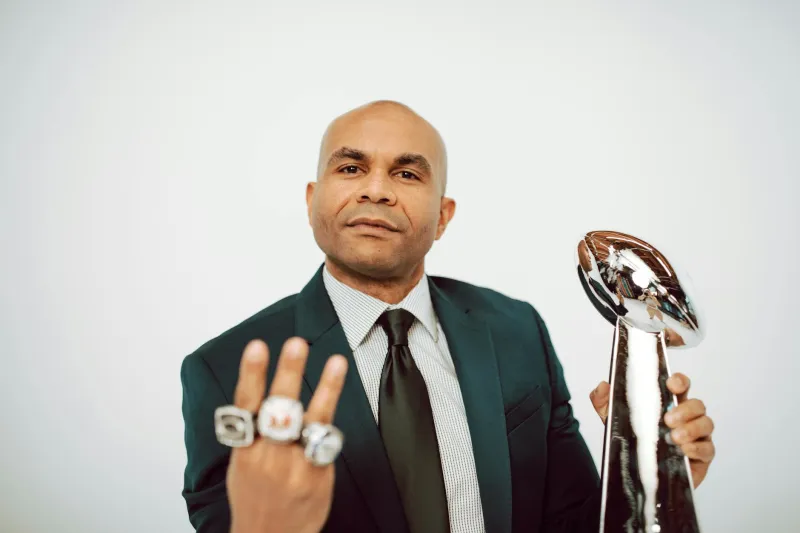
Fast-forward to today, and that same trophy—now called the Vince Lombardi Trophy—travels with armed security guards, gets photographed more than most Hollywood celebrities, and has an estimated value of $25,000 per trophy. Each winning team receives their own version, crafted by Tiffany & Co. with the precision usually reserved for engagement rings. The transformation from forgettable paperweight to American sports royalty represents one of the most dramatic shifts in sports culture history.
The Trophy That Almost Didn't Exist
When NFL Commissioner Pete Rozelle commissioned the original championship trophy in 1966, he gave designer Oscar Riedner a simple brief: create something that looked like football. The result was so unremarkable that early newspaper coverage barely mentioned it. The focus was entirely on the game itself, not the prize.
The trophy didn't even have a proper name until 1970, when it was renamed to honor Vince Lombardi after his death. Before that, it was simply called "the AFL-NFL Championship Game Trophy"—about as inspiring as calling the Mona Lisa "that painting of a woman."
Early winners treated it like a nice gesture rather than a sacred artifact. The Kansas City Chiefs stored their 1970 trophy in owner Lamar Hunt's office, where visitors occasionally picked it up to examine it. Try that today and you'd be tackled by security before your fingers touched the silver.
When Trophies Stayed in Storage
The most telling difference between then and now isn't the trophy itself—it's what happened to it after the cameras stopped rolling. In the 1970s and early 1980s, most teams displayed their Lombardi Trophies in executive offices or storage rooms. The Pittsburgh Steelers, who won four Super Bowls in six years, kept theirs lined up on a shelf in the front office like bowling trophies.
Compare that to modern trophy culture, where each Lombardi Trophy gets its own climate-controlled display case, professional lighting, and sometimes its own dedicated room in team facilities. The New England Patriots built an entire "Hall at Patriot Place" largely to showcase their collection of Lombardi Trophies, treating each one like the Hope Diamond.
The Birth of Trophy Theater
The transformation really began in the 1990s when television coverage started focusing more intensely on the trophy presentation ceremony. What was once a brief handoff became an elaborate production with multiple camera angles, slow-motion shots, and commentary that treated the trophy like it contained the secret to eternal life.
This shift coincided with the NFL's explosion in popularity and commercial value. As Super Bowl Sunday became America's unofficial holiday, everything associated with it—including the trophy—gained mythical status. The trophy presentation became must-see television, watched by millions who studied every detail of the silver football like archaeologists examining ancient artifacts.
From Simple Silver to Cultural Currency
Today's Lombardi Trophy ceremony involves more pomp than most royal coronations. Players wear white gloves to handle it. Team owners deliver speeches about its significance. The trophy gets its own social media accounts and marketing campaigns. When the Tampa Bay Buccaneers won in 2021, Tom Brady famously threw the trophy from boat to boat during their championship parade—a moment that generated more headlines than some entire playoff games.
 Photo: Tom Brady, via www.sportsillustrated.de
The contrast is staggering: early winners barely acknowledged their trophy existed, while modern champions build their entire brand around it. The trophy has become such a powerful symbol that replica versions sell for hundreds of dollars, and simply touching the real thing is considered a career highlight for many NFL players.
The Economics of Glory
The financial transformation tells the story in numbers. That original $50 trophy is now worth more than some people's cars. Tiffany & Co. spends months crafting each trophy, employing the same techniques used for luxury jewelry. The sterling silver alone costs thousands of dollars, before factoring in the hundreds of hours of skilled craftsmanship.
More importantly, the trophy has become a marketing goldmine. Its image appears on everything from beer commercials to credit card advertisements. The NFL has turned a simple award into a brand worth millions, licensing its likeness for products that would have seemed absurd to those early champions who treated it like office furniture.
When Symbols Become Sacred
The evolution of the Lombardi Trophy reflects a broader change in how Americans consume sports. What started as simple competition became entertainment spectacle, and eventually cultural obsession. The trophy transformed because we transformed—from casual fans who cared about the game to devoted followers who worship every aspect of the experience.
Those early players who barely noticed their prize probably couldn't have imagined a world where their simple silver football would become one of the most recognizable symbols in American culture. But then again, they were just playing a game. We turned it into a religion, and every religion needs its sacred objects.