When Champions Forgot Their Trophy at the Photographer's
In 1907, the Montreal Wanderers won the Stanley Cup and promptly left it at a photography studio after their team portrait session. Nobody noticed for four months. When the 1924 Montreal Canadiens won, they loaded the Cup into their car and drove to a team party—where it spent the entire celebration sitting in the trunk, forgotten until someone needed jumper cables the next morning.
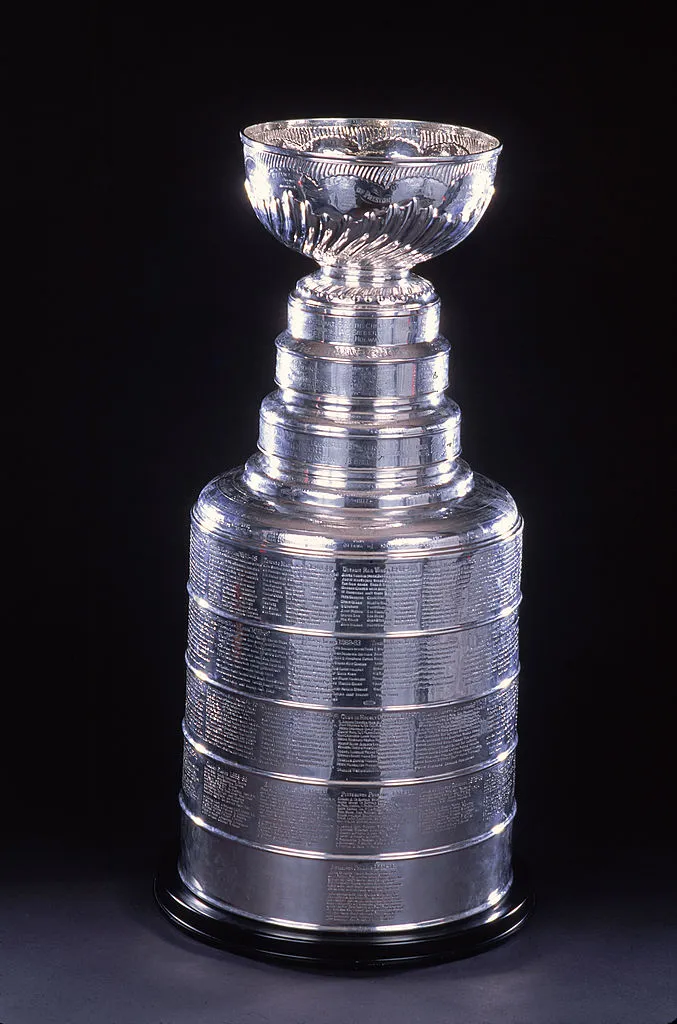 Photo: Stanley Cup, via drroto.com
This wasn't carelessness. It was Tuesday.
Today, the Stanley Cup never travels without white-gloved handlers, armed security, and a keeper whose full-time job is ensuring Lord Stanley's bowl doesn't end up as a planter again. But for the first half-century of its existence, hockey's most famous trophy lived a remarkably ordinary life, passed between amateur teams who treated it like any other piece of silverware—because that's essentially what it was.
The $50 Bowl That Built a Billion-Dollar League
When Lord Stanley donated his silver bowl in 1892, he spent roughly $50 in today's money. His instructions were simple: award it annually to "the championship hockey club of the Dominion of Canada." No corporate sponsors, no television contracts, no merchandising deals. Just a trophy for the best team.
The early winners reflected this casual approach. Teams like the Ottawa Silver Seven and Montreal Victorias were populated by bankers, clerks, and shop owners who played hockey in their spare time. They held day jobs because hockey didn't pay the bills—it barely paid for equipment.
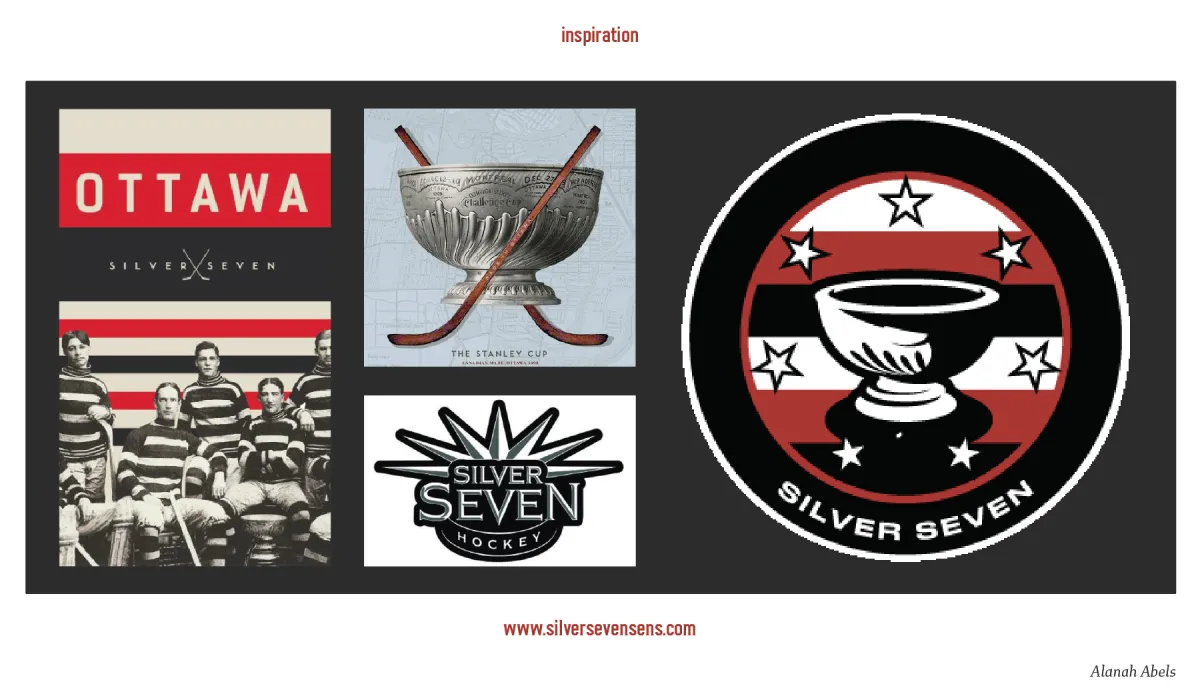 Photo: Ottawa Silver Seven, via www.silversevensens.com
Contrast that with today's NHL, which generates over $6 billion annually. The average player salary exceeds $3 million. The Cup itself is insured for more than Lord Stanley's entire estate was worth, and its summer tour generates millions in tourism revenue for the cities it visits.
When Anyone Could Challenge for the Cup
The original Stanley Cup operated on a challenge system that would seem absurd today. Any team could challenge the current champions, provided they could demonstrate they were worthy competitors and cover their own travel expenses. This led to some remarkable David-and-Goliath matchups.
In 1905, a team from Dawson City—a gold rush town in Canada's Yukon Territory—decided to challenge the Ottawa Silver Seven. The Dawson City team traveled 4,000 miles by dogsled, ship, and train, taking nearly a month to reach Ottawa. They arrived exhausted and were promptly demolished in two games by a combined score of 32-4.
 Photo: Dawson City, via www.elliestraveltips.com
But here's what's remarkable: they were allowed to try. Today's NHL playoff system, with its divisional brackets and salary caps, ensures competitive balance but eliminates the possibility of a small-town team taking on the champions simply because they believed they could win.
The Trophy That Lived Like Family Furniture
Perhaps nothing illustrates the Cup's humble beginnings like how winners treated it once they got home. Players routinely took it to family dinners, where children ate cereal from it. It served as a flower pot in more than one household. One player's mother used it to store her sewing supplies.
The most famous casualty occurred in 1924, when Montreal Canadiens players were driving to a team party and got a flat tire. While changing the tire, they kicked the Cup to the side of the road and forgot about it. Hours later, someone remembered: "Hey, where's the Stanley Cup?" They drove back and found it sitting in a snowbank.
Today, the Cup has its own security detail and climate-controlled transportation. Each player gets exactly one day with it, under supervision. Every movement is documented, every photo approved. The spontaneous joy of eating breakfast from hockey's holy grail has been replaced by carefully orchestrated photo opportunities.
From Amateur Hour to Corporate Empire
The transformation wasn't gradual—it was revolutionary. Television changed everything. When NBC began broadcasting NHL games nationally in the 1960s, hockey shifted from a regional curiosity to a continental spectacle. Suddenly, the Stanley Cup wasn't just a trophy for Canadian hockey clubs; it was prime-time entertainment for American audiences.
Corporate sponsorships followed. Equipment deals. Licensing agreements. The casual, amateur spirit that defined early hockey gave way to the business realities of professional sports. Players became full-time athletes, then millionaires, then celebrities.
The Cup itself became a brand. Its distinctive shape and storied history made it instantly recognizable, perfect for marketing campaigns and corporate partnerships. What started as Lord Stanley's $50 donation became the centerpiece of a multi-billion-dollar entertainment industry.
The Price of Professionalism
This transformation created the modern NHL we know today: faster, stronger, more skilled than early hockey players could have imagined. But something was lost in translation. The accessibility that once allowed any team to challenge for the Cup disappeared behind expansion fees and franchise valuations. The intimacy of players taking the trophy home to dinner was replaced by supervised appearances and corporate events.
The Stanley Cup's journey from forgotten snowbank ornament to billion-dollar business symbol reflects a broader change in American sports. What began as community entertainment became corporate entertainment. Amateur passion became professional precision. And a simple silver bowl became the most valuable trophy in sports—carefully guarded, meticulously maintained, and absolutely never left in anyone's car trunk.
Today's NHL generates revenue that Lord Stanley couldn't have comprehended, but something tells us he might miss the days when his Cup could spend a summer as someone's fruit bowl.