From Tubas to Taylor: The Unlikely Journey That Turned a Bathroom Break Into the Biggest Show on Earth
There's a version of Super Bowl Sunday that older fans remember clearly — one where halftime meant heading to the kitchen, refreshing your drink, and maybe catching a few minutes of college kids in matching uniforms playing "This Land Is Your Land." Nobody set a reminder. Nobody tweeted about it. The halftime show was, by almost any measure, the least interesting part of the day.
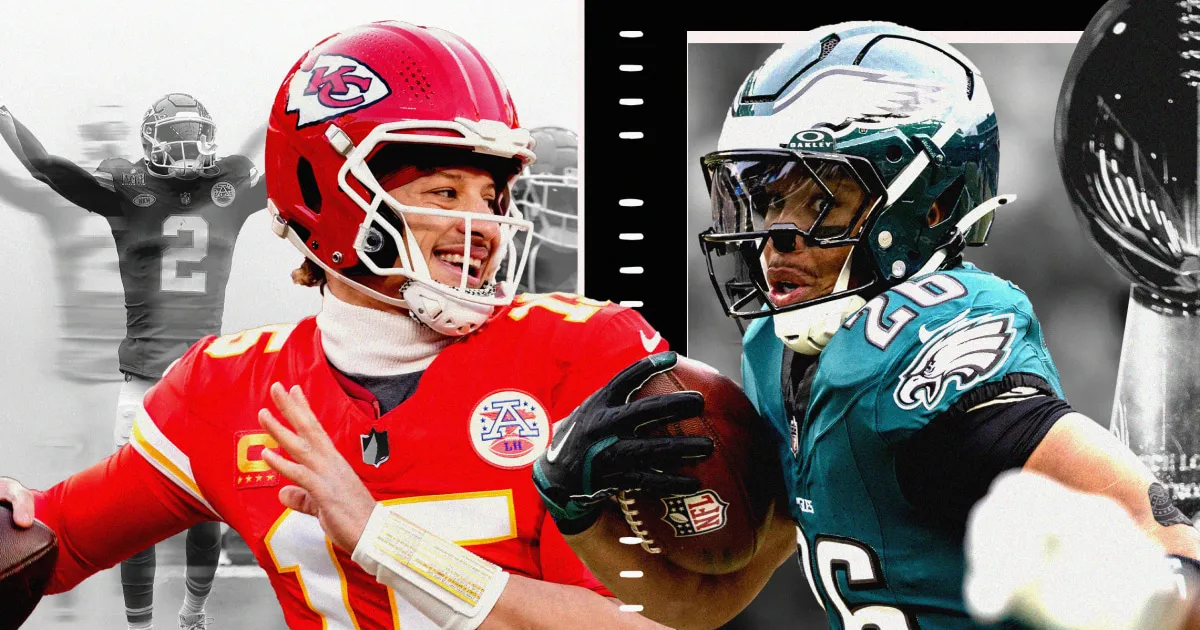 Photo: Super Bowl, via media-cldnry.s-nbcnews.com
That world feels almost impossible to imagine now.
Today, the Super Bowl halftime show commands production budgets that reportedly exceed $50 million. Performers spend months rehearsing. Pyrotechnics teams arrive days in advance. The audience — both in the stadium and at home — is measured in the hundreds of millions. For a significant portion of viewers, the halftime performance is the reason they tune in at all.
How did a college marching band become Beyoncé? It's a stranger story than you'd think.
The Quiet Years Nobody Talks About
The first Super Bowl was played in January 1967. The halftime entertainment? The University of Arizona and Grambling State University marching bands. It was perfectly fine. It was also completely forgettable.
For the next two-plus decades, that format held. Universities took turns. Drill teams performed. A group called Up with People — an earnest, relentlessly cheerful performance troupe — headlined the show four separate times between 1976 and 1986. If you're under 40, you've probably never heard of them. That's somewhat the point.
The NFL wasn't embarrassed by any of this. Halftime was a functional break in the game, not a cultural statement. The league's priorities were on the field, and the 20-minute intermission existed to let players rest and let fans use the restroom. Entertainment was secondary — a placeholder, not a headline.
Production costs were minimal. Logistics were simple. Nobody was flying in backup dancers from Los Angeles or constructing a stage that had to be assembled and dismantled in under eight minutes.
It worked, in a low-ambition sort of way. And then it didn't.
The Night Michael Jackson Rewrote the Rules
By the early 1990s, the Super Bowl had a halftime problem. Ratings for the intermission were noticeably lower than for the game itself. Viewers were literally changing the channel. NBC, which broadcast Super Bowl XXVII in January 1993, decided something had to change.
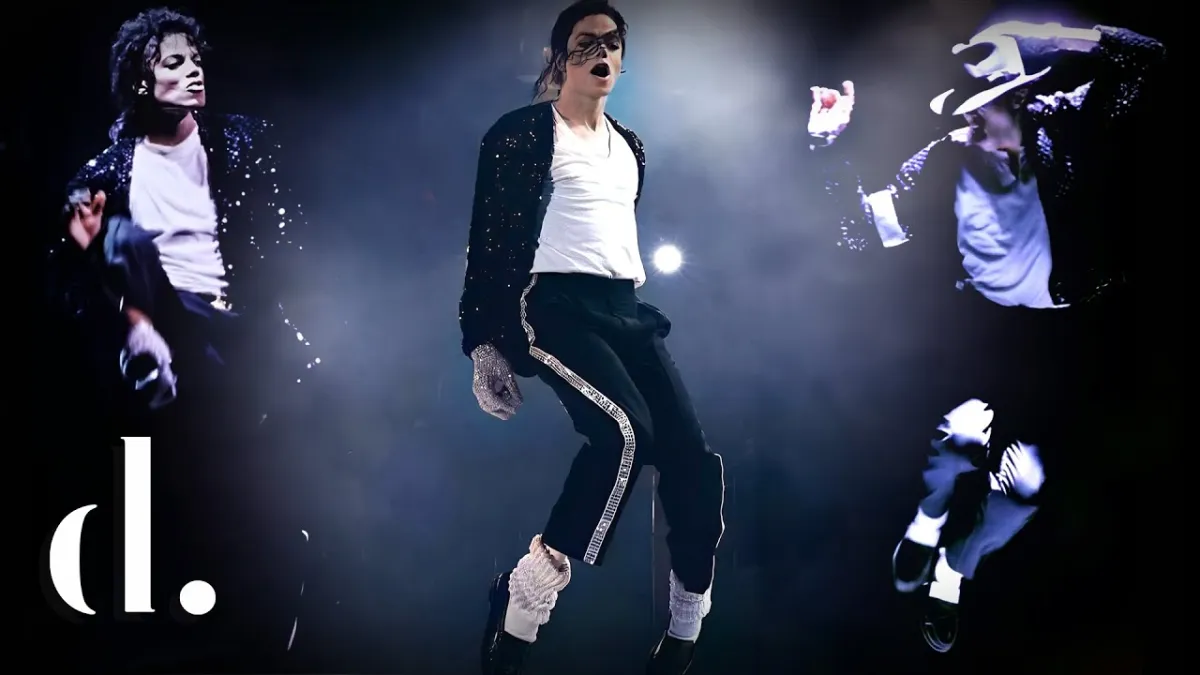 Photo: Michael Jackson, via i.ytimg.com
What they got was one of the most consequential 12 minutes in television history.
Michael Jackson didn't just perform at halftime. He stood motionless on the field for nearly two full minutes before playing a single note — and the crowd lost its mind anyway. Then came "Jam," "Billie Jean," "Black or White," and a finale featuring 3,500 children holding cards that formed a mosaic across the stadium floor. It was theatrical, overwhelming, and unlike anything the Super Bowl had ever attempted.
The ratings told the whole story. For the first time ever, the halftime show drew more viewers than the game itself. NBC executives reportedly couldn't believe what they were looking at.
Jackson had transformed the intermission from a scheduling necessity into a main event. The NFL took note immediately.
Building a Machine
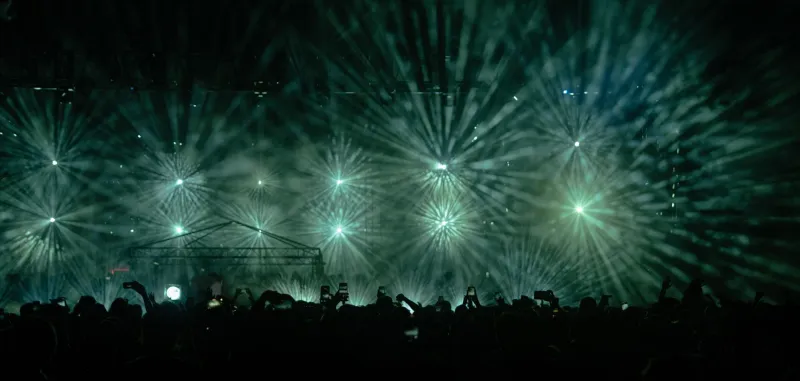
After 1993, the league began approaching halftime differently — with budgets, ambition, and star power that would have seemed absurd a decade earlier. Diana Ross descended from a helicopter in 1996. The Rolling Stones played in 2006. Prince performed in the rain in Miami in 2007 in what many still call the greatest halftime show ever staged.
Each year brought higher stakes and bigger names. Beyoncé's 2013 performance reunited Destiny's Child and generated so much social media traffic that it briefly slowed internet speeds in parts of the country. Bruno Mars, Katy Perry (with a left-shark moment that became its own cultural artifact), Lady Gaga, Jennifer Lopez, Shakira, Eminem, and Rihanna — the roster began to read like a greatest-hits list of American pop music.
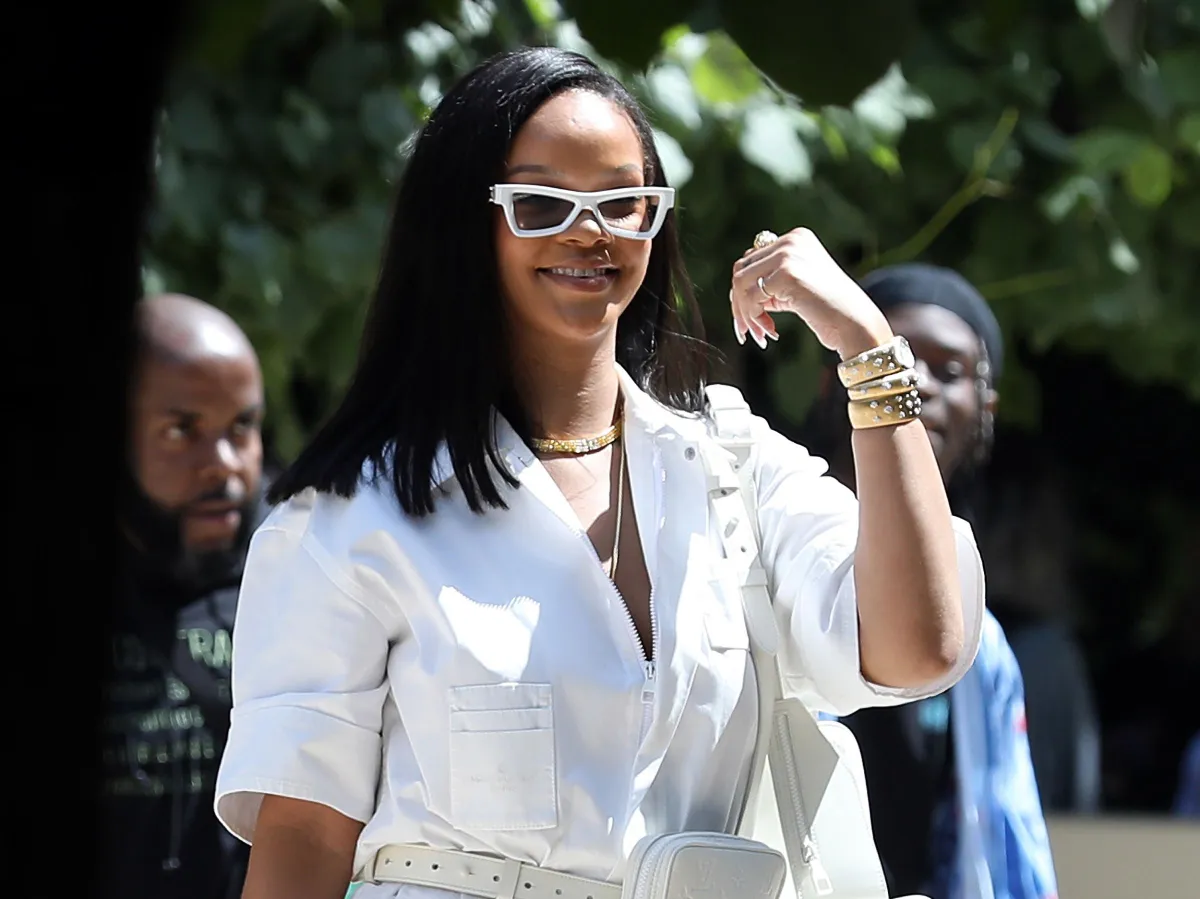 Photo: Rihanna, via sf2.closermag.fr
The production infrastructure grew to match. Today's halftime shows involve hundreds of crew members, weeks of pre-production, and stage setups that are engineered to transform a football field into a concert venue in minutes. The NFL covers production costs directly, meaning performers — some of the highest-paid entertainers on the planet — typically receive no performance fee. The exposure, the league correctly reasons, is payment enough.
The Numbers That Tell the Real Story
In 2023, Rihanna's halftime performance at Super Bowl LVII drew an estimated 118 million viewers — more than watched the game's final quarter. Her streaming numbers spiked 640 percent the following day. She didn't release a new song. She didn't need to.
That's the world we live in now. A performer can go seven years without releasing an album, appear on a football field for 13 minutes, and generate the kind of cultural moment that publicists spend careers trying to manufacture.
Compare that to Up with People playing to a half-empty stadium in 1982 while most of America raided the snack bowl.
What Got Lost Along the Way
There's a reasonable argument that something was lost when halftime became a spectacle. The college marching bands that used to take the field were representing communities, universities, and traditions. There was a grassroots quality to it — the sense that the Super Bowl belonged, at least in part, to regular Americans.
Now the show belongs to the entertainment industry, to streaming platforms, to brand partnerships, and to social media cycles that begin dissecting the performance before the players have even returned to the locker room.
But it's hard to argue with the results. The Super Bowl halftime show is now one of the most-watched live entertainment events on the planet. It shapes careers, drives music sales, and generates cultural conversations that last for weeks.
Somewhere, a tuba player from 1974 is watching all of this with very complicated feelings.
And honestly? That contrast — between the tubas and the pyrotechnics, between the bathroom break and the billion-dollar production — is exactly the kind of thing that makes you realize how completely unrecognizable the world can become when nobody's paying close attention.