When Mother Nature Controlled the Schedule
In 1948, the Boston Celtics were supposed to play the Minneapolis Lakers in a crucial late-season game. Instead, they spent 36 hours trapped on a train outside Chicago, watching snow pile up against the windows while their playoff hopes potentially melted away. The team finally arrived two days late, exhausted and unprepared, only to lose by 20 points to a Lakers squad that had flown in fresh the day before.
 Photo: Minneapolis Lakers, via i2.wp.com
 Photo: Boston Celtics, via basketballjerseyarchive.com
This wasn't unusual—it was Tuesday in professional sports. For the first half of the 20th century, weather delays, mechanical breakdowns, and scheduling conflicts made team travel a constant source of anxiety for coaches and front office executives. You could have the best roster in the league, but if your train broke down in the middle of nowhere, your season could be over.
The Segregated Car Reality
Travel logistics were complicated enough without adding the brutal reality of segregation. Black players in professional sports often couldn't stay in the same hotels or eat in the same restaurants as their white teammates. When teams traveled by train through the South, Black players were frequently forced into separate cars, sometimes without access to the dining car or sleeping berths.
Jackie Robinson's integration of Major League Baseball in 1947 made headlines, but the daily humiliation of segregated travel continued for years afterward. Teams had to plan separate accommodations, arrange different meal stops, and navigate a patchwork of local laws that varied from city to city. Some talented players never got the chance to compete at the highest level simply because teams couldn't guarantee safe passage through certain parts of the country.
The Geography of Talent
Before reliable air travel, team rosters were shaped as much by geography as ability. The original eight teams in the National Basketball Association were clustered in the Northeast and Midwest, within reasonable train distance of each other. Expanding to the West Coast was considered logistically impossible—the travel time alone would have made competitive balance a joke.
Major League Baseball's westernmost team was St. Louis until 1958, not because California lacked baseball fans, but because getting a team there and back for a regular season series would have taken a week. The Brooklyn Dodgers and New York Giants didn't move to Los Angeles and San Francisco for better weather—they moved because commercial aviation finally made transcontinental sports feasible.
This geographic limitation meant that talented players from certain regions simply never got discovered. A phenomenal athlete in Seattle or Phoenix might as well have been on another planet as far as professional scouts were concerned.
The Overnight Express to Exhaustion
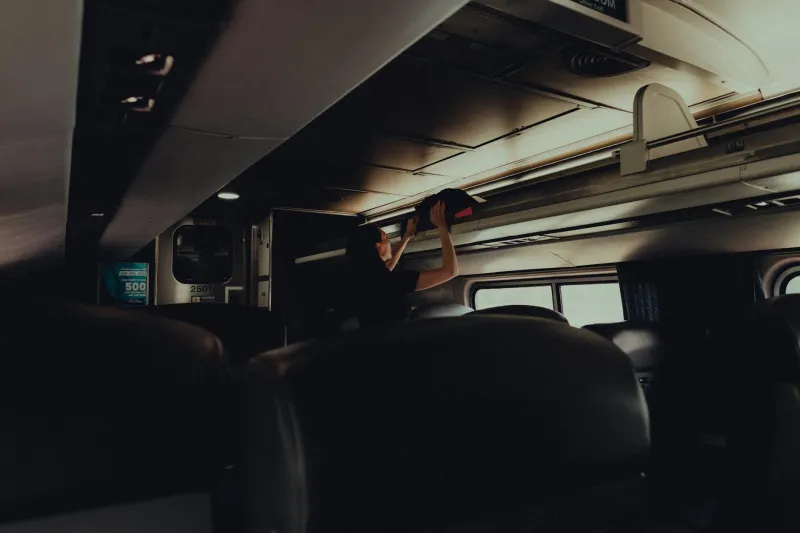
Even when trains ran on schedule, the travel itself was brutal. Teams would board after evening games, sleep in cramped berths while the train rattled through the night, and arrive in the next city just hours before game time. Players often stepped off trains stiff, tired, and in no condition to compete at peak performance.
The logistics were nightmarish. Equipment managers had to coordinate with railroad companies to ensure gear arrived safely. Trainers carried medical supplies for motion sickness and minor injuries that occurred during travel. Coaches tried to conduct team meetings in swaying dining cars while competing with the noise of steel wheels on track.
Compare this to today's NBA, where teams travel on chartered Boeing 757s equipped with first-class seating, in-flight meals prepared by team nutritionists, and entertainment systems loaded with game film. Players arrive at their destination rested and ready to perform.
When Weather Was the Enemy
Winter travel was particularly treacherous. Blizzards could strand teams for days, forcing league officials to constantly reschedule games. The 1950 NBA season saw multiple games postponed when entire teams simply couldn't reach their destinations. Some franchises kept emergency rosters of local players who could fill in if the regular team was stuck somewhere between cities.
Floods, landslides, and mechanical breakdowns were regular occurrences. Teams carried telegraph equipment to communicate with league offices about delays. Radio announcers would update fans about whether games would actually happen, often right up until scheduled start times.
The Charter Flight Revolution
The transformation began in the 1960s when commercial aviation became reliable enough for regular team use. The first professional sports teams to embrace air travel gained enormous competitive advantages. They could recruit talent from anywhere in the country, play more games in shorter time periods, and arrive at destinations fresh and prepared.
By the 1970s, most professional teams had abandoned train travel entirely. Charter flights allowed for coast-to-coast expansion, increasing revenue opportunities and talent pools exponentially. The NBA grew from eight teams clustered in the Northeast to a truly national league with franchises in every major market.
The Modern Marvel of Movement
Today's professional athletes travel in luxury that would have seemed impossible to their predecessors. NBA teams use customized aircraft with extra legroom for seven-foot players. MLB teams employ logistics coordinators who track weather patterns days in advance. NFL teams travel with mobile training facilities and specialized equipment for maintaining peak physical condition during transit.
The contrast is staggering. A modern NBA team can play in Miami on Tuesday night and Los Angeles on Thursday night without missing a beat. Players arrive at destinations rested, fed, and ready to perform at the highest level.
From Survival to Science
What once was an exercise in survival has become a science. Teams employ sleep specialists to minimize jet lag. Nutritionists plan meal timing around travel schedules. Sports psychologists help players maintain mental focus despite constant movement.
The simple act of getting from one city to another—once a major competitive factor that could determine championships—has become so routine that fans barely think about it. But for decades, the difference between winning and losing often came down to whether your train arrived on time and your players could walk off it ready to compete.
The railroad era of professional sports reminds us that the games we take for granted today required not just athletic talent, but logistical miracles that happened thousands of times without anyone noticing. Every time your team's star player shows up ready to perform in a different city, you're witnessing the culmination of a transportation revolution that completely transformed American sports.