When America Last Ruled the Tour de France, Google Was Just a Search Engine
When America Last Ruled the Tour de France, Google Was Just a Search Engine
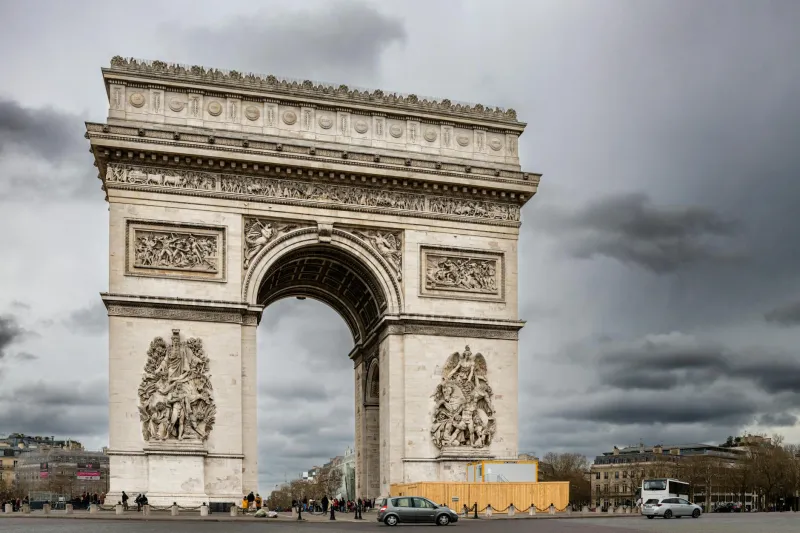
In July 2005, Lance Armstrong crossed the finish line on the Champs-Élysées for the seventh and final time as Tour de France champion. As he raised his arms in victory, somewhere in the crowd a tourist might have been taking photos with a digital camera—if they were lucky enough to own one. Most people were still using disposable cameras or film. The iPhone wouldn't exist for another two years.
That moment marked the end of American dominance in cycling's most grueling race. But it also captured something else entirely: the last glimpse of a world that now feels impossibly distant, even though it was less than twenty years ago.
The Stone Age of Sports Coverage
Back then, following the Tour de France meant setting your alarm for ungodly hours to catch live coverage on a cable sports channel—if you were lucky enough to have one that carried cycling. There was no streaming, no watching on your phone during lunch break, no Twitter updates every kilometer.
Sports fans relied on SportsCenter highlights and newspaper recaps that arrived a day late. If you wanted real-time updates during a three-week European bike race, you refreshed a basic website every few minutes, hoping for a paragraph of text describing what had happened in the previous stage.
The athletes themselves existed in a completely different universe. Armstrong was famous, sure, but his public persona was entirely controlled by traditional media. No Instagram stories from team buses. No direct connection with fans. No personal brand beyond what television producers and newspaper writers decided to show the world.
When Athletes Were Just Athletes
In 2005, professional cyclists were essentially anonymous outside their sport. They didn't have millions of followers watching their breakfast choices or training rides. They couldn't monetize their personalities or build side businesses around their athletic fame.
Armstrong's celebrity status was unusual for cycling—and it came entirely through winning races and appearing on traditional media. Compare that to today, where cyclists with modest racing results can build massive online followings and lucrative sponsorship deals just by being entertaining on social media.
The entire concept of "athlete as influencer" simply didn't exist. Sports stars made money from prize winnings, team salaries, and maybe a few traditional endorsement deals with equipment companies. The idea that an athlete could earn significant income by posting workout videos or promoting lifestyle products would have seemed absurd.
A World Running on Patience
Perhaps most striking is how differently people consumed information and entertainment. In 2005, waiting was normal. You waited for your favorite show to air at a specific time. You waited for photos to be developed. You waited for news to be printed and delivered.
Following a three-week cycling race required genuine dedication. You had to plan your schedule around broadcast times. You accepted that you might miss stages entirely and catch up later through highlights or newspaper coverage. The immediate, constant access to information that defines modern sports fandom was unimaginable.
Fans developed different relationships with their sports heroes too. Without social media providing a constant stream of personal details, athletes remained more mysterious, more distant. You knew them through their performance, not their personality quirks or political opinions.
The Technology Time Capsule
The gadgets that seemed cutting-edge in 2005 now feel like museum pieces. Flip phones were still the height of mobile technology. The most advanced device most people carried was maybe an iPod for music and a separate phone for calls and basic text messages.
Google existed, but mainly as a search engine. YouTube had just launched and barely anyone had heard of it. Facebook was restricted to college students. The entire social media landscape that now defines how we interact with sports, entertainment, and each other was still years away from existing.
People navigated using printed MapQuest directions or standalone GPS units that cost hundreds of dollars. The idea of having instant access to maps, cameras, communication, entertainment, and information all in one pocket-sized device was pure science fiction.
The End of an Era We Didn't Know Was Ending
What makes Armstrong's 2005 victory so fascinating isn't just that it marked America's last Tour de France win—it's that it happened at the exact moment when the old world was about to disappear forever. Within just a few years, everything about how we experience sports, travel, and daily life would be completely transformed.
Today's Tour de France unfolds in real-time across dozens of platforms. Fans track riders' power output and heart rates live. They watch helicopter footage on their phones while getting updates from team cars through social media. The entire event has become an interactive, immersive experience that would have been impossible to imagine in 2005.
The Road Forward
Twenty years later, no American has come close to winning cycling's biggest prize. But that drought reflects more than just changing competitive dynamics in professional cycling. It represents the end of an era when American sports culture dominated global attention in ways that now seem quaint.
The world has become simultaneously more connected and more fragmented. Athletes can build global brands without traditional media, but they also compete for attention in an infinitely more crowded landscape. Success requires not just physical performance but social media savvy, personal branding, and constant engagement with fans.
Looking back at Armstrong's final victory, it's striking how peaceful that moment seems. No phones recording every angle. No immediate social media reaction. No instant analysis from thousands of amateur commentators. Just a man on a bike, crossing a line, in a world that was about to change completely.
That simpler time feels both nostalgic and impossibly distant—proof of just how dramatically everything can transform in what seems like no time at all.