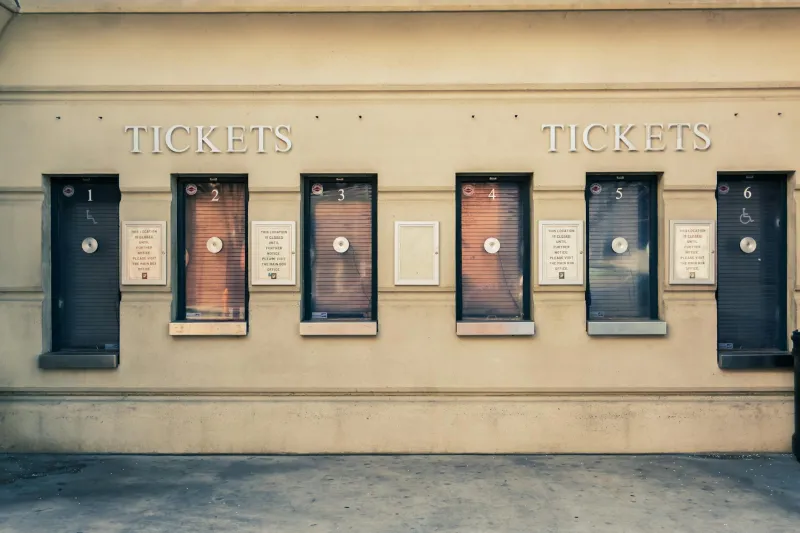
In 1985, you could leave work on a Friday evening, drive to Fenway Park, and buy a ticket to that night's Red Sox game for twelve dollars. Not from a scalper or a secondary market—from the actual box office, at face value, probably with a choice of several sections.
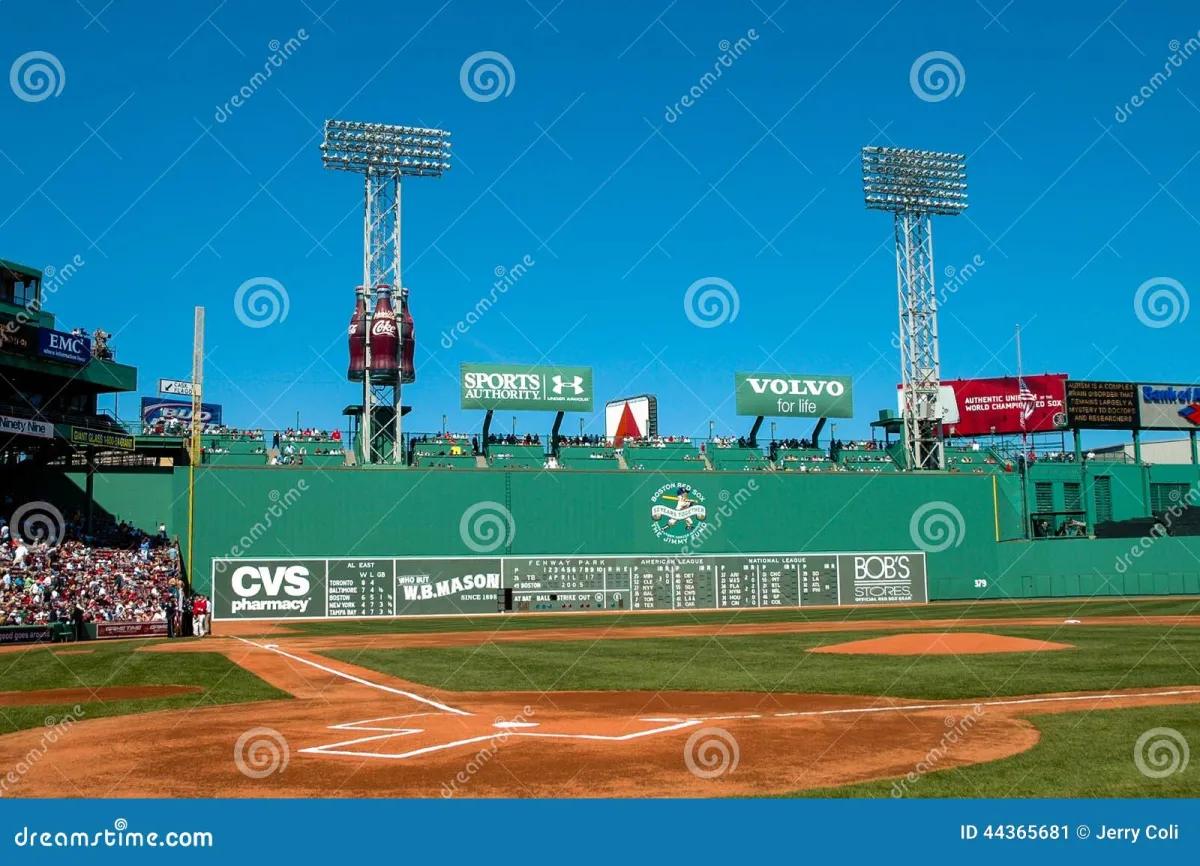 Photo: Fenway Park, via thumbs.dreamstime.com
Today, that same impulse decision would cost you anywhere from $150 to $800, assuming you could find tickets at all.
The Walk-Up Era
For most of American sports history, attending games was refreshingly simple. You showed up, you bought a ticket, you watched baseball. Season ticket holders existed, but they were a small minority of fans. Most seats were available for individual purchase right up until game time.
This wasn't just true for regular season games. In 1975, you could buy World Series tickets at face value on the morning of Game 1. The 1980 Super Bowl had tickets available at the box office hours before kickoff. Even NBA Finals games regularly had empty seats because the process of buying tickets was so straightforward that demand never built up the artificial scarcity we see today.
 Photo: Super Bowl, via enjoyorangecounty.com
The economics were equally straightforward. A decent seat cost roughly the equivalent of taking your family to dinner at a mid-range restaurant. It was an entertainment expense, not a financial investment.
The Scalper's Simple World
Back then, ticket scalping was a small-time, localized business. Scalpers were usually individuals who bought a handful of extra tickets and sold them outside the stadium for maybe double face value. The operation was limited by geography—you had to be physically present to buy and sell tickets.
The risk was minimal for buyers. If scalpers were asking too much, you could often just walk to the box office and buy face-value tickets instead. The secondary market existed, but it competed directly with primary sales.
When Everything Changed
The transformation began in the 1990s with computerized ticketing systems, but it accelerated dramatically with the internet. Suddenly, ticket buying became a global activity. A fan in California could compete with local fans for seats to a New York Yankees game.
StubHub launched in 2000 and fundamentally changed the game. What had been a sketchy sidewalk transaction became a legitimate, regulated marketplace. More importantly, it created price transparency. Sellers could see what tickets were worth in real-time, and buyers could comparison shop across thousands of options.
This transparency had an unexpected consequence: it drove prices up. When scalpers operated with limited information, they often underpriced tickets. When they could see exactly what every other seller was charging, the market found its true value—which was usually much higher than face value.
The Algorithm Revolution
Teams quickly realized they were leaving money on the table. Why sell a playoff ticket for $50 when fans were willing to pay $300 on the secondary market?
Dynamic pricing arrived in the 2010s, borrowed from the airline industry. Ticket prices now fluctuate based on demand, weather, team performance, and dozens of other variables. A Tuesday night game against a last-place team might have $15 tickets, while a weekend game against a division rival could cost $150 for the same seat.
The system has become so sophisticated that prices change multiple times per day. Algorithms analyze everything from social media sentiment to player injury reports to determine optimal pricing.
The Numbers Tell the Story
The price inflation has been staggering. In 1985, the average MLB ticket cost $5.41. Adjusted for inflation, that's about $15 today. The actual average MLB ticket price in 2023 was $35—more than double the inflation-adjusted price.
But those numbers don't capture the full picture because they include the cheapest seats. For premium experiences, the gap is much wider. A field-level seat at Yankee Stadium that cost $25 in 1985 (about $70 in today's money) now starts at around $300.
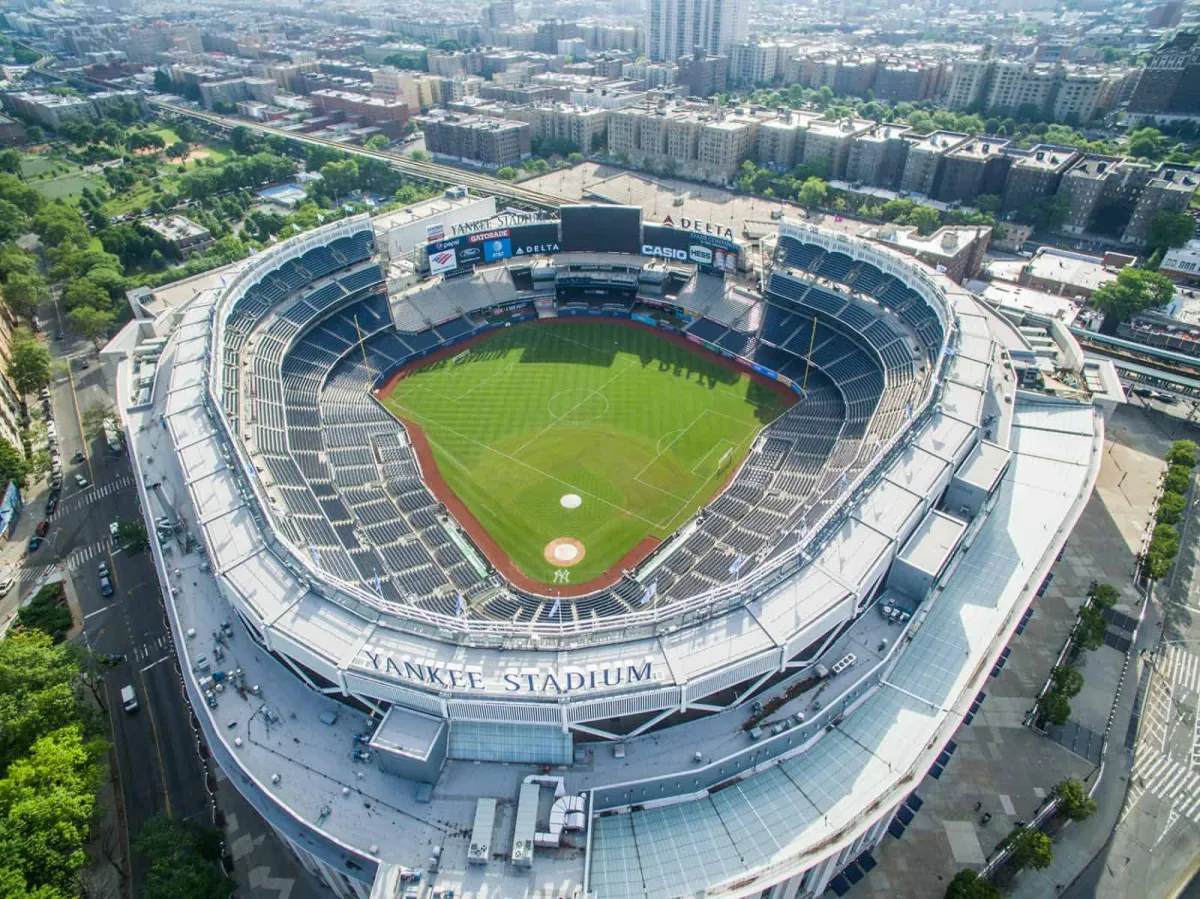 Photo: Yankee Stadium, via www.dronegenuity.com
The Super Bowl provides the most dramatic example. In 1985, the most expensive Super Bowl ticket cost $75 face value (about $210 today). In 2023, the cheapest Super Bowl ticket on the secondary market was over $3,000.
The New Ticket Economy
Today's system has created multiple tiers of access that didn't exist before:
Season ticket holders now function more like investors than fans. Many buy season packages specifically to resell individual games at a profit.
Personal seat licenses require fans to pay thousands of dollars just for the right to buy season tickets. It's like paying a cover charge to enter a store.
Dynamic pricing means ticket costs fluctuate like stock prices. Fans monitor price trends and try to time their purchases for maximum value.
Presales and access codes have created artificial scarcity. General public sales often get only a small percentage of available tickets.
The Fan Experience Revolution
This transformation has fundamentally changed who attends games. The casual fan who might decide to catch a game on impulse has been largely priced out of premium experiences. Corporate entertainment has filled many of those seats.
Families that once attended multiple games per season now might go to one game as a special occasion. The generational tradition of parents taking children to games has become economically challenging for middle-class families.
Yet the system has also created benefits. Fans can now buy tickets from anywhere in the world, compare prices across multiple platforms, and often find last-minute deals when demand is low.
The Secondary Market Goes Mainstream
What's most remarkable is how completely the secondary market has been normalized. StubHub, SeatGeek, and similar platforms are now advertised during games themselves. Teams partner with these companies rather than compete with them.
Some teams have eliminated the concept of face value entirely. They now sell tickets at market rates from the beginning, using the same dynamic pricing that secondary markets pioneered.
The Unintended Consequences
The financialization of ticket sales has created some strange outcomes. Tickets have become speculative investments. Some fans buy season tickets they never intend to use, purely as a profit opportunity.
Games with low demand sometimes have tickets selling below face value, but high-demand games can cost more than many people's monthly rent. The pricing has become so unpredictable that attending games requires advance planning that would have seemed absurd thirty years ago.
Looking Back
The old system had obvious flaws—it was inefficient, often unfair, and left teams undervaluing their product. But it also had something that's been lost: accessibility.
When tickets were simple commodities sold at fixed prices, going to games was a casual decision. You didn't need to research market trends, join presales, or budget months in advance. You just showed up and watched baseball.
Today's system is more sophisticated, more profitable for teams, and arguably more fair in matching supply with demand. But it's also turned the simple pleasure of watching sports into a complex financial transaction that many fans can no longer afford to make spontaneously.
The transformation reveals how quickly financial innovation can change cultural traditions. In just one generation, we've moved from a world where attending games was an impulse decision to one where it requires the planning and budgeting of a vacation.
Whether that's progress depends on whether you value efficiency over accessibility—and whether you can afford the new price of admission.