Parking Lot Heroes: The Forgotten Era When Pro Athletes Drove Themselves to Work
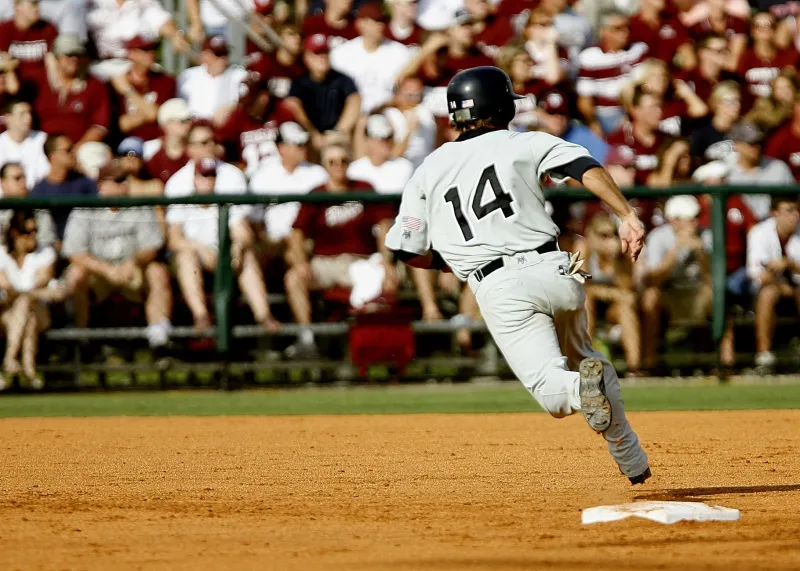
Picture this: it's a Tuesday night in 1958, and a starting outfielder for a major league baseball team is stuck at a red light three miles from the stadium. His car smells like cigarettes and fast food. He's running a little late. He parks in the same lot as the fans, nods at a few familiar faces on the way in, and heads to the clubhouse to get dressed. No police escort. No luxury coach. No travel coordinator texting updates to a team operations group chat. Just a guy driving himself to work — the same as any plumber or schoolteacher in the same city.
That world feels almost unimaginable now. But for a long stretch of American sports history, it was simply Tuesday.
Getting There Was Your Problem
In the early decades of professional sports, the idea of an organization managing how its players physically arrived at the ballpark would have seemed almost comically unnecessary. Teams were businesses, sure, but lean ones. Rosters were full of guys who grew up working-class, who lived in the same neighborhoods as the fans who watched them, and who didn't expect anyone to hold their hand between home and the locker room.
Carpooling was common — and not the organized, team-sanctioned kind. Players who lived near each other would simply arrange rides among themselves. A pitcher might pick up a shortstop on his way down the boulevard. An outfielder might hitch a ride with a teammate's wife if his car was in the shop. In smaller markets especially, it wasn't unusual for athletes to share cab rides with strangers who recognized them, spending the drive signing autographs and chatting about last night's box score.
Stories from that era have a specific texture to them. Former NFL players from the 1950s and '60s regularly recalled driving themselves to road games — not just to the airport, but sometimes to nearby away stadiums in cities just a couple of hours up the highway. The concept of a team-organized ground transportation plan simply didn't exist at most franchises. You knew when kickoff was. Getting there was your responsibility.
When the Bus Showed Up
The shift toward organized team travel didn't happen overnight, and it didn't happen uniformly. Through the 1960s and into the '70s, most professional teams began standardizing bus transportation for road trips — at least the airport-to-hotel leg. But the idea of a team bus picking players up from their homes or apartments before home games was still a luxury reserved for the biggest franchises with the fattest budgets.
What changed things wasn't just money — it was liability, professionalization, and the gradual realization that players were assets worth protecting. A quarterback who gets into a fender-bender driving himself to a Sunday afternoon game is a business problem, not just a personal inconvenience. As player salaries climbed and the financial stakes of individual performance grew, teams had very practical reasons to start controlling how their investments moved through the world.
By the 1980s, the team charter flight had become standard in major American sports leagues. Before that, commercial flights were the norm — and the stories from that era are remarkable. NBA players on commercial routes, squeezed into coach seats next to regular passengers, getting recognized mid-flight and signing napkins at 30,000 feet. No separate terminal. No private lounge. Just a bunch of very tall men hoping for an exit row.
Today's Transportation Ecosystem
What exists now is so far removed from those early carpools that it barely belongs in the same conversation. Modern professional sports franchises operate what can only be described as full transportation ecosystems. Charter flights are standard in all four major leagues — and in many cases, minor league affiliates have access to upgraded travel arrangements that previous generations of major leaguers never experienced.
For home games, luxury motor coaches with police escorts move players from team facilities to stadiums on carefully timed schedules. Travel coordinators manage every leg of every road trip, from hotel room assignments to airport logistics. Players arrive at dedicated private terminals, board aircraft configured specifically for their comfort — wide seats, catered meals, recovery equipment — and are met at their destination by another coordinated ground operation.
The NFL has taken this to perhaps its furthest extreme. Teams traveling to away games operate with military-grade precision. Advance staff arrive days early. Hotel floors are secured. Schedules are calibrated around sleep cycles, meal timing, and practice windows. The idea that a player might just drive himself down the highway to a road game is as foreign to today's league as leather helmets.
What the Carpool Era Actually Meant
It's easy to romanticize the old world — the athlete-next-door who drove a Ford pickup and waved to kids on the corner. And there's something genuinely worth remembering in that image. The proximity between professional athletes and the communities they played in wasn't just logistical. It was cultural. When a ballplayer parked in the same lot as the fans, ate at the same diner, and got caught in the same traffic, he was still recognizably a neighbor.
But let's not pretend the old system was purely charming. Players got hurt in car accidents. They showed up exhausted from bad drives. They were distracted, stressed, and occasionally late. The absence of organizational support wasn't a feature — it was a gap that nobody had gotten around to filling yet.
What the evolution of athlete transportation really tells us is how completely the sports industry transformed its understanding of what a professional athlete is. Once a player became a multi-million dollar investment, protecting that investment from something as mundane as highway traffic became a legitimate business priority. The luxury coach and the charter flight aren't perks — they're infrastructure.
The kid who used to park next to the fans and sign autographs on his way in didn't disappear because athletes got arrogant. He disappeared because the sport he played became a different kind of business entirely. That's worth understanding, even if it's a little harder to love.