When October's Biggest Games Played During Lunch Break
The Afternoon Championship
Picture this: It's October 1956, and the most important baseball game of the year is starting at 1:30 PM on a Tuesday. Don Larsen is about to throw the only perfect game in World Series history, and half of America is supposed to be at work or in school. Instead, transistor radios are hidden in desk drawers, classroom windows are cracked open to catch Mel Allen's voice drifting from parked cars, and productivity across the nation grinds to a halt.
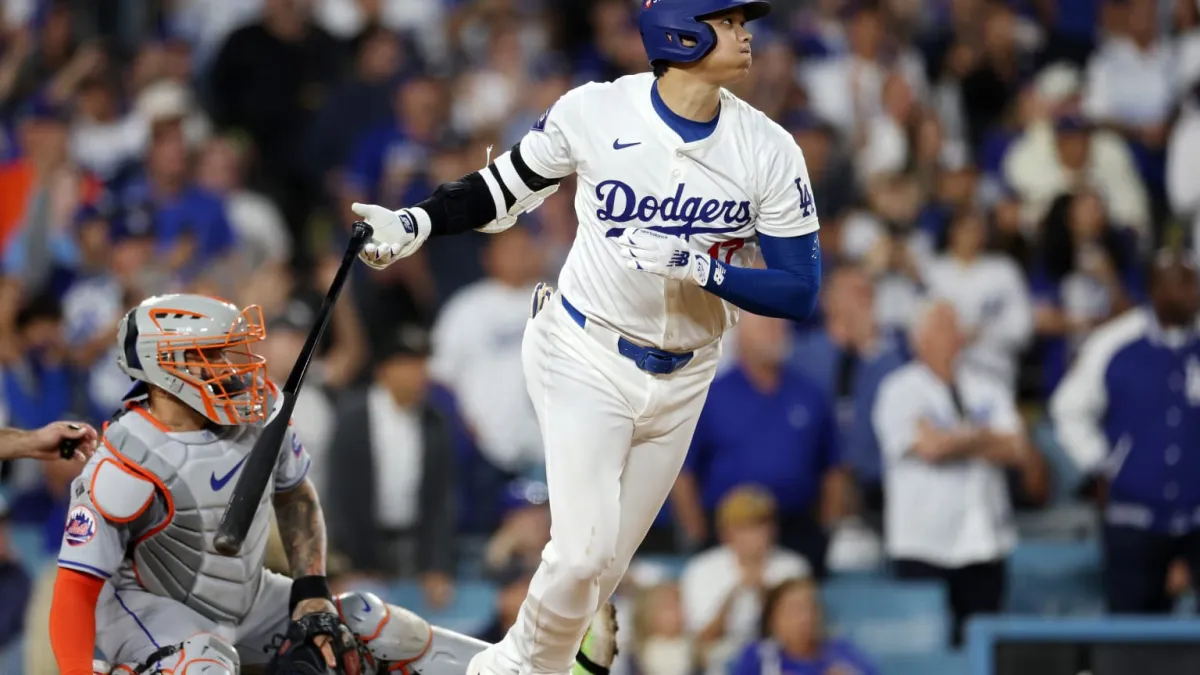 Photo: World Series, via img.mlbstatic.com
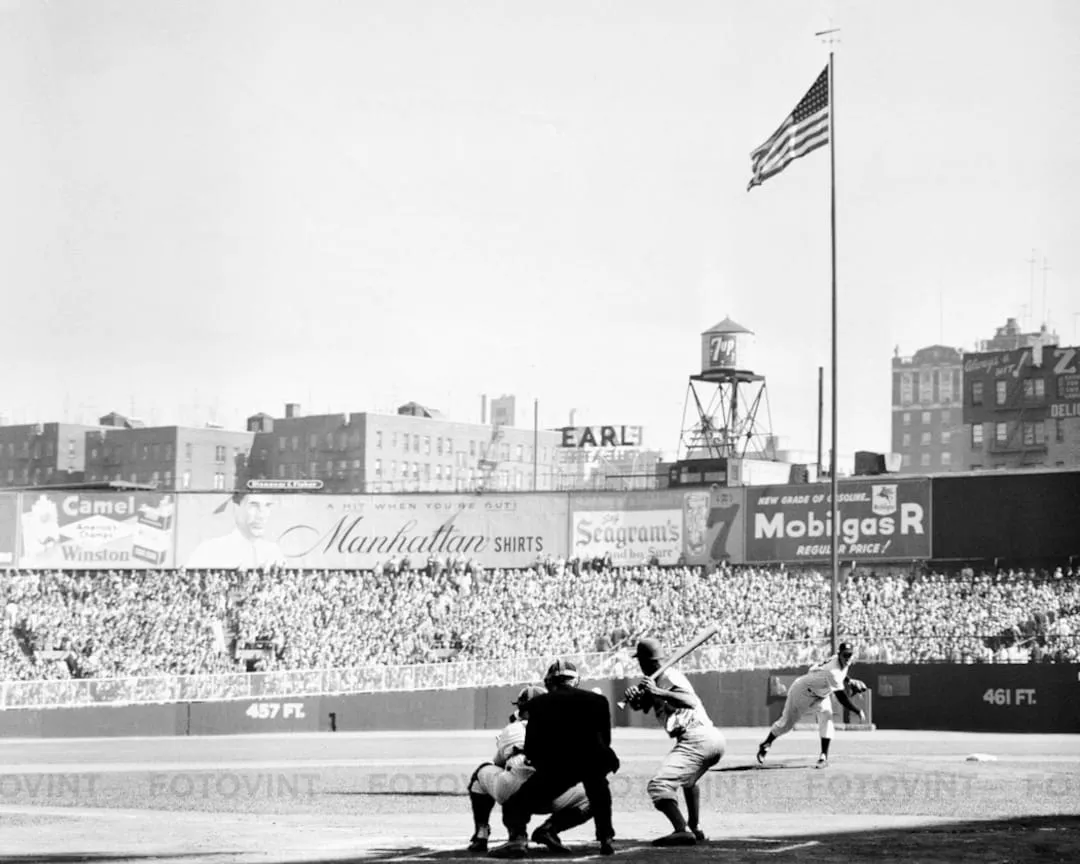 Photo: Don Larsen, via i.etsystatic.com
This wasn't unusual. It was just October.
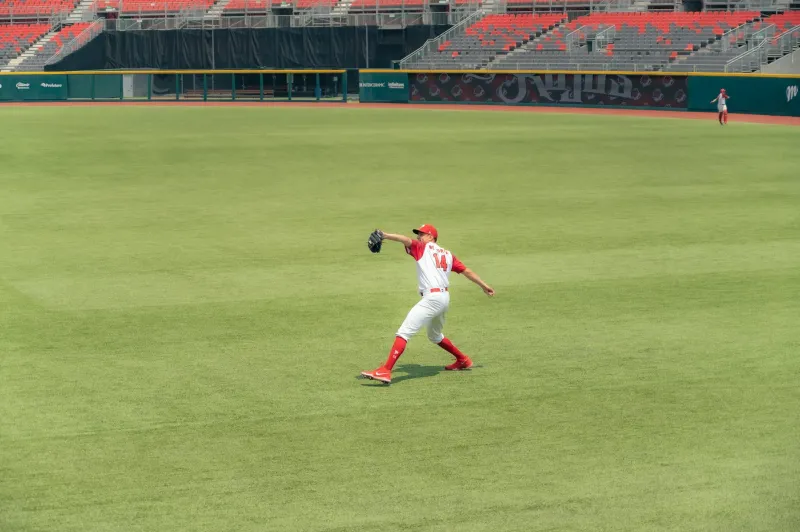
For decades, the World Series was an afternoon affair, played in natural sunlight with shadows creeping across home plate as the innings wore on. Games started between 1 PM and 2 PM, ending around 4:30 if they stayed close. The idea of moving baseball's biggest stage to prime time seemed as foreign as playing in a dome.
When Work Stopped for Baseball
The daytime World Series created a uniquely American ritual of collective truancy. Office workers huddled around radios in supply closets. Teachers mysteriously stepped out of classrooms during "important phone calls." Factory floors buzzed with whispered score updates passed from worker to worker like state secrets.
Restaurants and bars saw their lunch crowds linger for hours, nursing coffee and watching the game on fuzzy black-and-white TVs mounted in corners. Department stores reported that their radio sections became unofficial viewing parties, with customers "testing" merchandise for the duration of nine innings.
Schools faced their own October crisis. Attendance dropped noticeably during World Series games, especially in cities with teams in the running. Some principals gave up fighting it, wheeling televisions into gymnasiums for "educational programming about America's pastime." Others locked down harder, only to find students had become remarkably creative about hiding earpieces and tiny radios.
The Business of Afternoon Baseball
This scheduling wasn't accidental or traditional—it was economic necessity. In the 1940s and 1950s, television was still finding its footing, and radio remained the primary way most Americans experienced baseball. Radio advertising rates were highest during daytime hours when housewives were home and workers were on lunch breaks.
Television, when it did broadcast the World Series, treated it almost like a public service. The games were often shown with minimal commercial interruption, sometimes sponsored by a single company that would get a brief mention between innings. The idea that broadcast rights could be worth hundreds of millions of dollars was unimaginable.
Major League Baseball also worried about night games in October. Stadium lighting was still primitive by modern standards, and the autumn weather could turn brutal after dark. Playing in daylight guaranteed better visibility for players and more comfortable conditions for the smaller crowds that actually attended games in person.
The Prime Time Revolution
Everything changed in 1971 when NBC convinced baseball to move World Series games to evening hours. The first prime-time World Series game drew 61 million viewers—more than any daytime game had ever reached. Television executives had discovered what they'd suspected all along: America would watch baseball at night if it meant the whole family could watch together.
The transformation was swift and total. Within a decade, the afternoon World Series was a memory. Games now started at 8 PM Eastern, stretching past midnight on the West Coast. Television timeouts lengthened. Commercial breaks multiplied. The pace of play slowed to accommodate the needs of advertisers reaching peak audiences.
Today's World Series games regularly last over three hours, ending well past 11 PM. They're precisely choreographed television events, with every camera angle planned and every commercial break timed to the second. The broadcast rights alone are worth over $700 million annually.
What We Lost in the Lights
There's something irretrievably lost in baseball's migration to prime time. The afternoon World Series belonged to a different America—one where the biggest sporting event of the year could interrupt the regular rhythm of life without apology. It was democratic in a way that's hard to imagine now: the same game was accessible to the businessman sneaking a radio into a board meeting and the kid skipping school to watch through a storefront window.
The daytime World Series also preserved baseball's connection to natural light and seasonal change. Games played in October sunshine, with long shadows and falling leaves visible in the background, felt more connected to the agricultural rhythms that originally shaped the sport's calendar.
Modern prime-time World Series games are undeniably better television—clearer pictures, multiple camera angles, expert analysis, and dramatic lighting. But they're also corporate entertainment products, designed for maximum viewership and advertising revenue rather than the organic community experience that afternoon baseball created.
The Last Afternoon Champions
The 1970 World Series between Baltimore and Cincinnati was the last played entirely in daylight. Game 5 ended at 4:47 PM on October 15, with the Orioles celebrating their championship as the autumn sun set behind Memorial Stadium. Within a year, that scene would be impossible—October baseball had moved permanently into the artificial glow of prime time.
Looking back, the afternoon World Series feels like a relic from a simpler time, when the biggest games could happen during lunch break and the whole country would just quietly agree to pay attention. It was a brief moment when America's biggest sport still belonged to the afternoon, before television money rewrote the rules about when and how we watch our games.