Champions Who Smoked Between Laps: When Athletic Greatness Had Nothing to Do With Science

In 1904, Thomas Hicks won the Olympic marathon in St. Louis while drinking a mixture of strychnine, brandy, and raw egg whites handed to him by his trainers during the race. He collapsed at the finish line, nearly died, and was celebrated as a champion. This wasn't unusual—it was peak athletic science for its time.
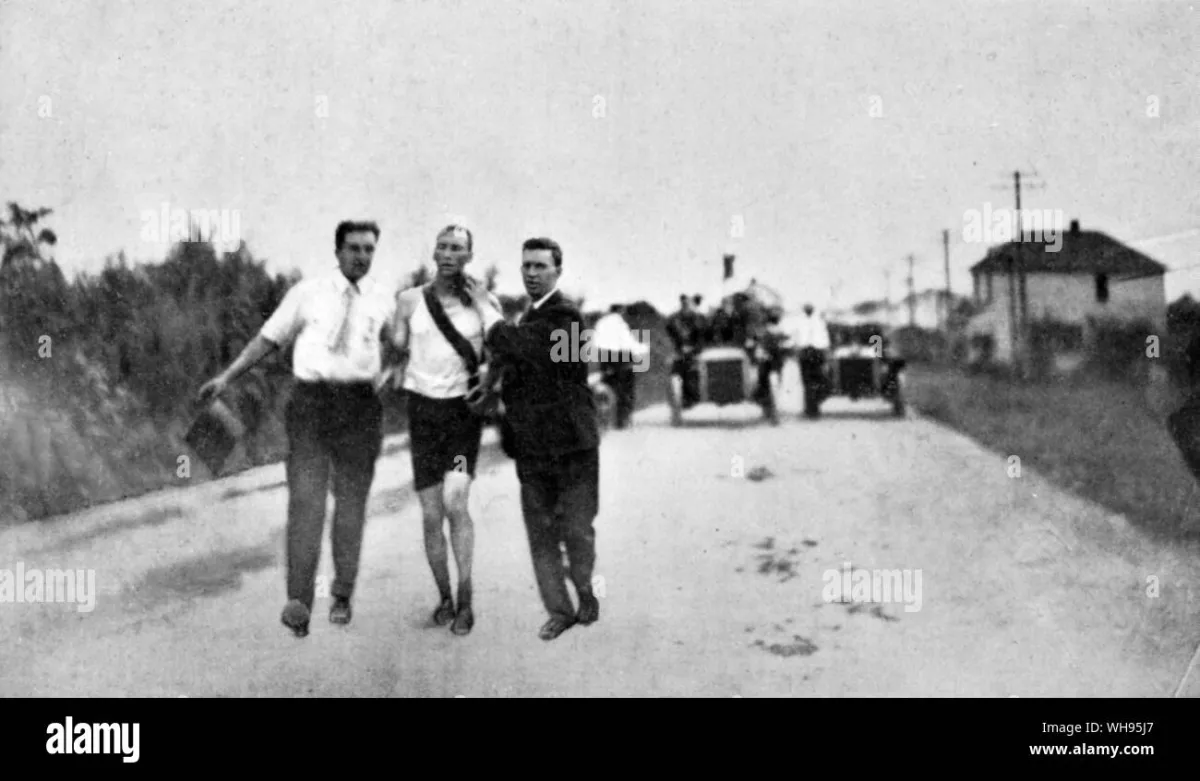 Photo: Thomas Hicks, via c8.alamy.com
The Gentleman Athletes
For most of American sports history, the idea of a professional athlete bore almost no resemblance to today's finely-tuned specimens. Take Johnny Weissmuller, who won five Olympic gold medals in swimming during the 1920s. His training regimen? Swimming a few laps, then heading to the nearest speakeasy for drinks and cigarettes. He genuinely believed alcohol helped his performance by "loosening up his muscles."
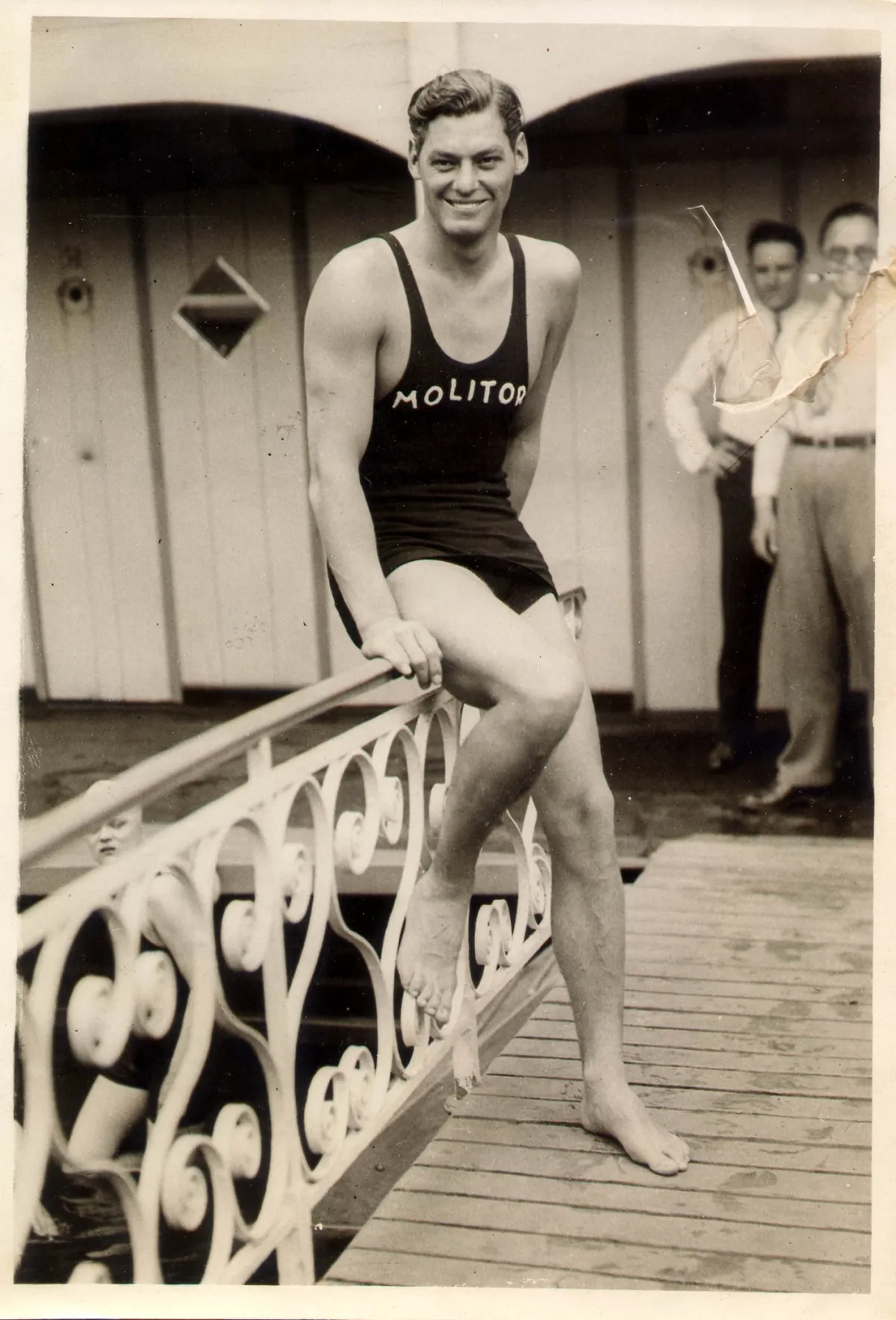 Photo: Johnny Weissmuller, via ishof.org
Baseball players routinely showed up to games hungover. Babe Ruth famously ate hot dogs and drank beer between innings, and his diet consisted largely of whatever he felt like eating at any given moment. When asked about his training routine, he once said, "I swing as hard as I can, and I try to swing right through the ball." That was the extent of his scientific approach.
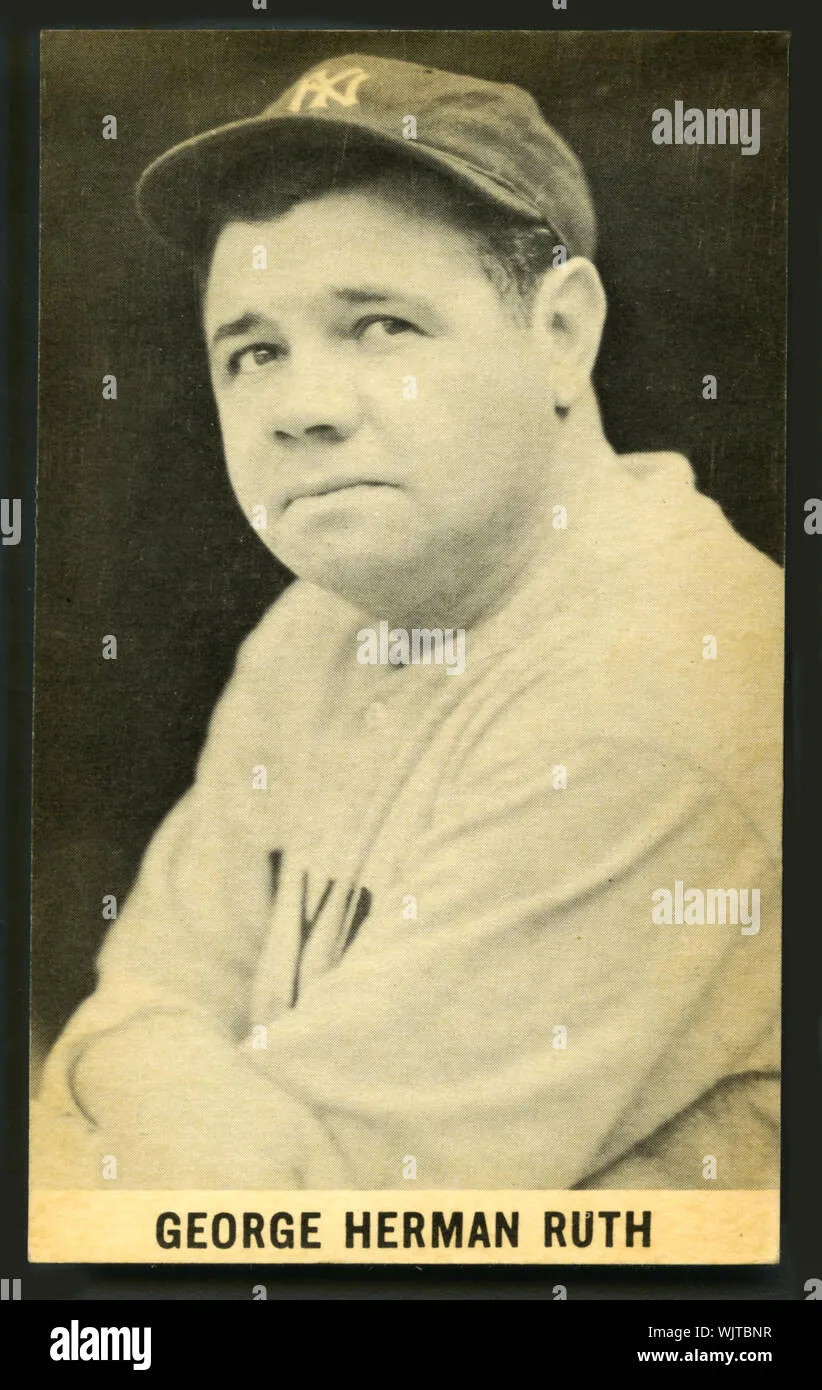 Photo: Babe Ruth, via c8.alamy.com
Boxers trained by chopping wood and punching sides of beef. Football players prepared for games by eating steak and potatoes. The idea that nutrition could be optimized, that recovery could be engineered, that performance could be systematically improved—these concepts simply didn't exist.
The Bizarre Science of Early Athletics
What's fascinating is that early athletes and coaches weren't ignoring science—they were following what they believed was cutting-edge scientific thinking. The problem was that the science was completely wrong.
Doctors in the early 1900s genuinely believed that drinking water during exercise was dangerous, potentially causing cramps or worse. Athletes were instructed to rinse their mouths with water but never swallow. Marathon runners would go 26.2 miles without drinking anything, and this was considered proper medical practice.
Vegetables were viewed with suspicion. Many coaches believed that eating too many vegetables would make athletes "soft" and that meat was the only food that could build strength. Some trainers prohibited their athletes from eating any vegetables at all during competitive seasons.
Sleep was considered overrated. Early football coaches would deliberately wake players multiple times during the night before big games, believing that being slightly tired would make them more aggressive. The concept of recovery sleep was decades away.
When Cigarettes Were Performance Enhancers
Perhaps nothing illustrates the gap between past and present athletic thinking like the relationship between champions and tobacco. Cigarette companies routinely sponsored athletes and used their testimonials in advertisements. Lucky Strike ran ads featuring swimmers claiming that cigarettes improved their breathing. Baseball players endorsed specific cigarette brands, arguing that smoking helped them stay calm under pressure.
This wasn't just marketing—many athletes genuinely believed smoking helped their performance. Some swimmers thought cigarettes expanded their lung capacity. Runners believed smoking before races helped them relax. Even team physicians sometimes recommended cigarettes as a way to manage pre-game nerves.
The Transformation Begins
The shift toward modern sports science began slowly in the 1960s and accelerated dramatically in the 1980s. The introduction of systematic strength training, nutritional planning, and recovery protocols revolutionized what was possible for human performance.
Consider the marathon: In 1908, the Olympic winning time was 2 hours and 55 minutes. The runner, Johnny Hayes, trained by jogging a few miles and working his day job as a department store clerk. Today's marathon world record is 2 hours and 1 minute—nearly an hour faster—achieved by athletes who train twice daily, follow precisely calibrated diets, and use altitude chambers and ice baths for recovery.
The Modern Athlete as Scientific Experiment
Today's professional athletes live lives that would be unrecognizable to their predecessors. They track sleep patterns, monitor heart rate variability, and follow nutrition plans calculated to the gram. They train in facilities that cost millions of dollars and employ teams of specialists including nutritionists, sleep experts, mental performance coaches, and recovery specialists.
The contrast is staggering: Babe Ruth ate whatever he wanted and became a legend. Modern baseball players consume precisely timed meals designed by PhD nutritionists. Early football players showed up hungover and played through injuries. Today's NFL players use cryotherapy chambers and hyperbaric oxygen treatments.
What We Gained and Lost
The scientific revolution in athletics has produced performances that would have seemed superhuman to early athletes. Records that stood for decades are now broken regularly. Careers last longer, injuries heal faster, and the ceiling for human performance keeps rising.
But something was lost in the transformation. Early athletes had a certain authenticity—they were regular people who happened to be exceptionally good at sports. Today's athletes are so scientifically optimized that they can seem more like laboratory creations than relatable human beings.
When Thomas Hicks nearly died winning that 1904 marathon, he represented the pinnacle of athletic achievement for his era. The methods were primitive and dangerous, but the effort was purely human. Today's marathoners are safer, faster, and more efficient—but they're also following protocols developed by teams of scientists.
The transformation from whiskey-and-cigarettes athletics to modern sports science represents one of the most dramatic shifts in human performance history. We've gained incredible capabilities but lost the charming amateurism of an era when being a champion meant simply trying harder than everyone else, regardless of whether your methods made any scientific sense at all.