The Olympic Swimmers Who Trained in Quarries and Rivers: Before Pool Science Changed Everything
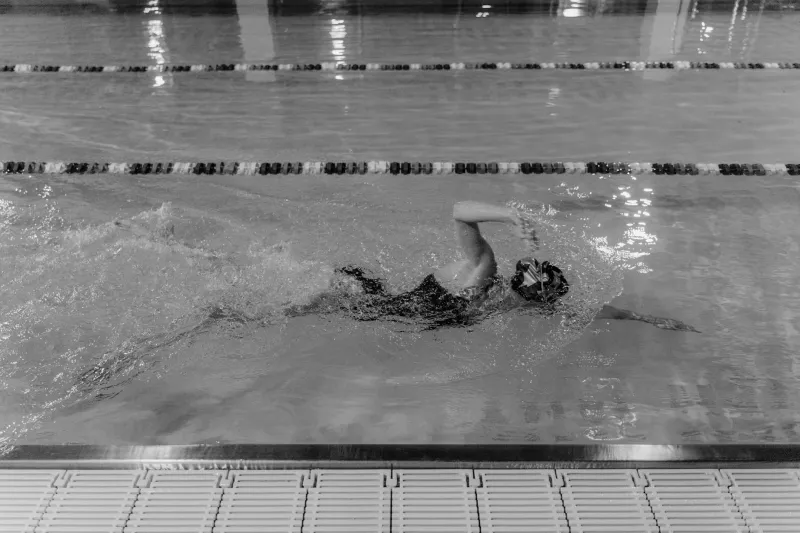
Training in Whatever Water You Could Find
In 1924, Johnny Weissmuller—the future Tarzan actor who would become America's most famous swimmer—prepared for the Paris Olympics by training in Lake Michigan. Not in a controlled pool environment with lane ropes and perfect water temperature, but in the choppy, unpredictable waters of one of the Great Lakes, dodging boats and dealing with whatever Mother Nature threw at him.
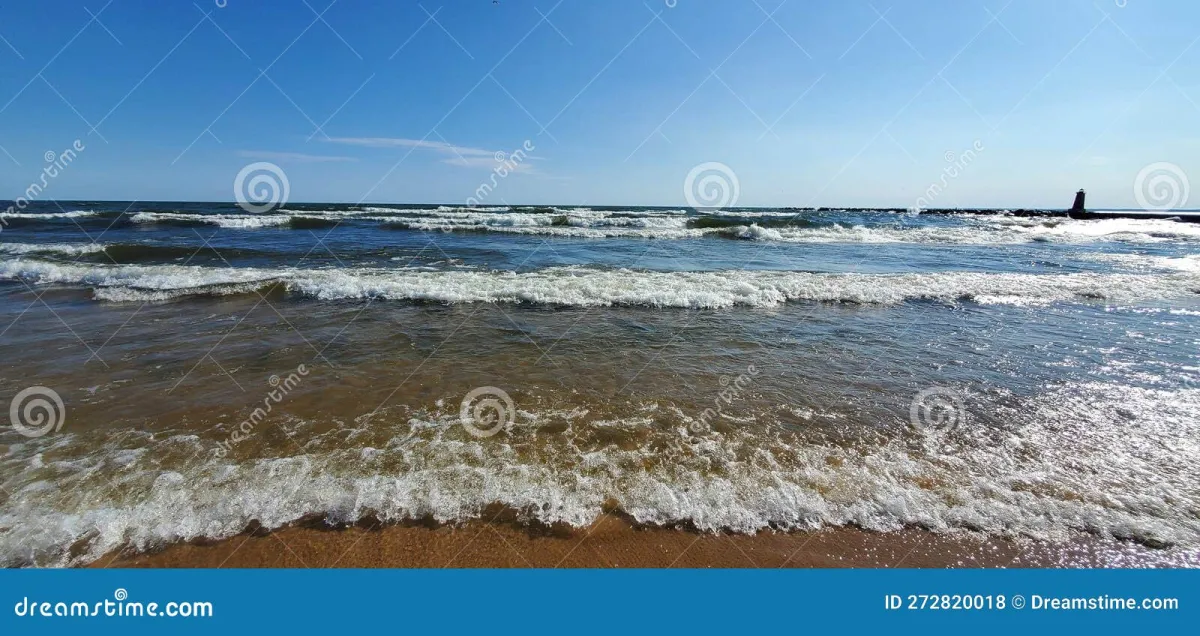 Photo: Lake Michigan, via thumbs.dreamstime.com
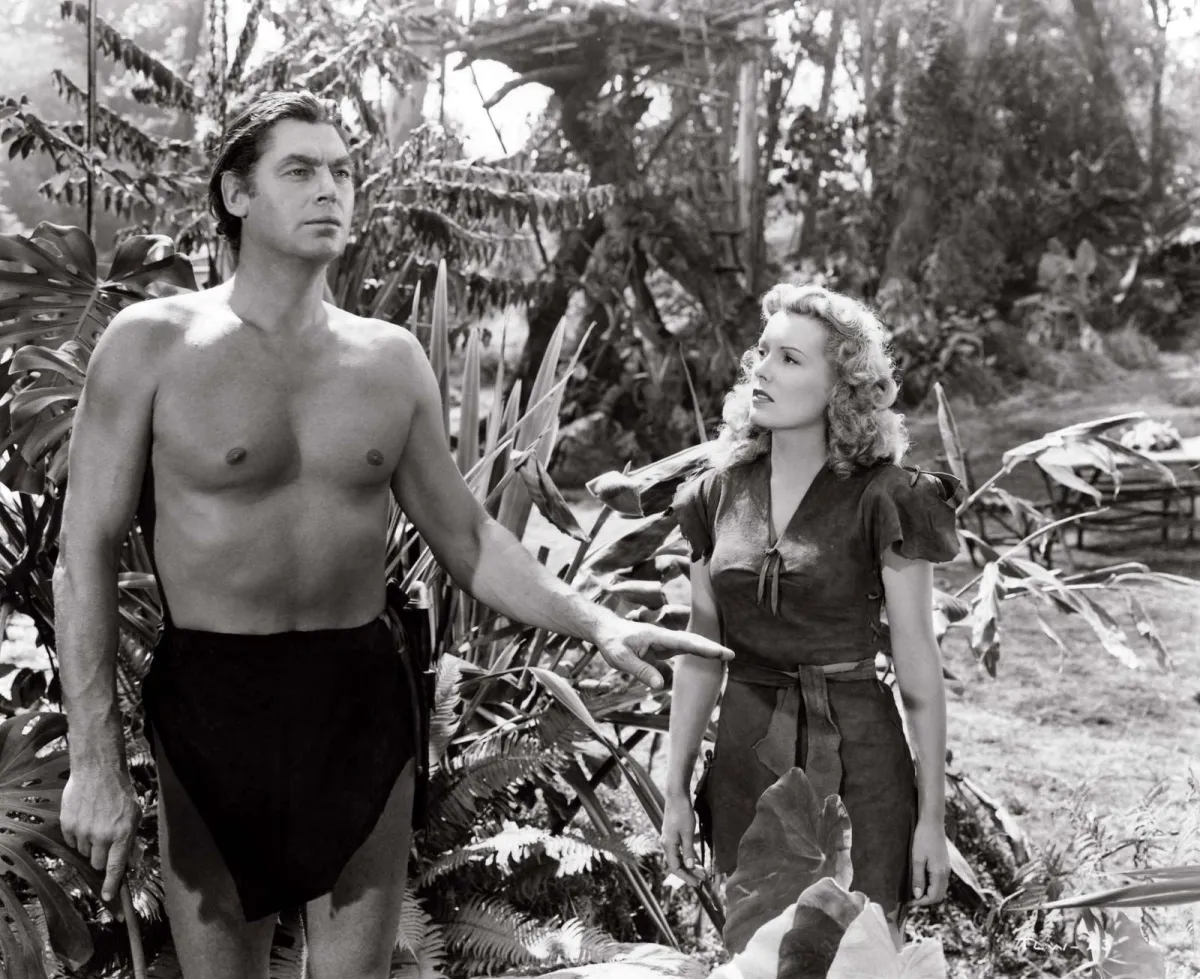 Photo: Johnny Weissmuller, via cdn.britannica.com
This wasn't unusual. It was how champions were made.
For the first half-century of competitive swimming in America, dedicated training facilities were practically nonexistent. Olympic hopefuls trained in rivers, lakes, quarries, and whatever community pools happened to be available—usually for just a few hours a week. The idea of a year-round aquatic center designed specifically for elite training was as foreign as landing on the moon.
When Rivers Were Racing Pools
The Amateur Athletic Union, which governed American swimming from the 1880s through the 1970s, held many of its championship races in open water. The Hudson River, San Francisco Bay, and various lakes across the country served as venues for national competitions. Swimmers had to contend with currents, waves, debris, and water temperatures that changed by the hour.
Training for these events meant adapting to whatever conditions nature provided. Duke Kahanamoku, the Hawaiian swimmer who revolutionized the freestyle stroke in the 1910s, trained almost exclusively in the ocean. His preparation for pool competitions involved swimming in waves, fighting currents, and navigating around coral reefs.
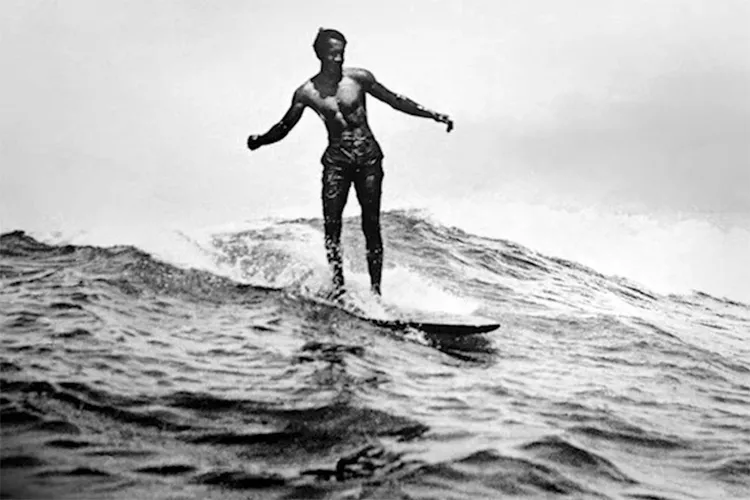 Photo: Duke Kahanamoku, via playersbio.com
Many American swimmers of this era were essentially self-taught. They developed their techniques through trial and error, learning to breathe efficiently and maintain speed through pure instinct rather than scientific analysis. Coaches, when they existed at all, were often former swimmers who passed down techniques based on what had worked for them personally.
The YMCA Revolution
The Young Men's Christian Association became America's unlikely swimming powerhouse in the early 1900s. YMCA pools, originally built for hygiene and general fitness, began hosting competitive programs that would produce Olympic champions for decades.
But even these "modern" facilities were primitive by today's standards. Most YMCA pools were 20 yards long instead of the Olympic standard 25 meters. Water filtration was basic at best, and temperature control was often nonexistent. Swimmers frequently trained in water that was either uncomfortably warm or shockingly cold, depending on the season and the building's heating system.
The pools themselves were multipurpose facilities. The same pool used for competitive training in the morning might host water polo in the afternoon, swimming lessons for children in the evening, and a community social event on weekends. Elite swimmers shared their training space with everyone from toddlers to elderly fitness enthusiasts.
Coaching by Gut Feeling
Early swimming coaches relied entirely on observation and intuition. Without underwater cameras, stroke analysis software, or even basic timing equipment, they had to judge technique improvement by watching swimmers from poolside. Many coaches were volunteers—often parents or former swimmers who donated their time to local programs.
Training schedules were built around availability rather than athletic science. Most competitive swimmers trained 2-3 times per week, fitting their workouts around school, work, and family obligations. The concept of periodization—carefully planned training cycles designed to peak at specific competitions—didn't exist.
Nutrition guidance was practically nonexistent. Swimmers ate whatever their families could afford, with no understanding of how different foods might affect performance or recovery. Many champions of this era worked physical jobs that actually complemented their training, building the kind of functional strength that modern swimmers achieve through carefully designed dryland programs.
When Equipment Meant a Towel and a Suit
The gear available to early competitive swimmers was laughably simple compared to today's high-tech arsenal. Racing suits were made from wool or cotton, materials that absorbed water and created drag rather than reducing it. Goggles didn't exist until the 1960s, so swimmers trained and competed while dealing with chlorine burn and impaired vision.
Training aids were improvised from whatever materials were available. Swimmers used kickboards made from cork or wood, pull buoys fashioned from empty bottles, and timing devices that relied on manual stopwatches. The starting blocks we take for granted today weren't standardized until the 1960s—many races began with swimmers diving from the pool deck or even from chairs placed at the water's edge.
The Science Revolution Begins
Everything changed in the 1960s and 70s when swimming began embracing scientific training methods. Indiana University's Doc Counsilman pioneered underwater filming to analyze stroke technique, while other coaches began experimenting with interval training and systematic workout progressions.
The introduction of pace clocks revolutionized training by allowing swimmers to monitor their speed and rest intervals precisely. For the first time, coaches could design workouts based on specific time goals rather than general effort levels.
Pool design also evolved rapidly. The development of gutter systems that minimized waves, lane ropes that reduced turbulence, and starting blocks that provided consistent takeoff angles all contributed to faster times and more reliable training environments.
Today's Aquatic Laboratories
Modern elite swimmers train in facilities that would be unrecognizable to Johnny Weissmuller. The U.S. Olympic Training Center in Colorado Springs features pools with adjustable depth, current generators for resistance training, and underwater treadmills for injury rehabilitation.
Water chemistry is monitored continuously by computer systems that automatically adjust pH levels, chlorine content, and temperature to optimize performance and recovery. Some facilities can alter water density to simulate competition conditions at different altitudes.
Training technology now includes underwater pace lights that help swimmers maintain precise speeds, stroke analysis software that breaks down technique frame by frame, and wearable sensors that monitor everything from heart rate to stroke count during workouts.
The Data-Driven Athlete
Today's swimmers don't just train harder—they train smarter. Every workout is planned months in advance, with specific goals for each set and precise recovery intervals between efforts. Nutrition is customized based on individual metabolism and training load, while sleep and stress levels are monitored as carefully as swimming times.
The gap between recreational and elite swimming has become an unbridgeable chasm. While early champions often trained alongside casual swimmers in community pools, today's Olympic hopefuls require access to specialized facilities, full-time coaching, and support teams that can cost hundreds of thousands of dollars annually.
What We Gained and Lost
The transformation of American swimming from river-trained amateurs to laboratory-perfected athletes represents one of sports' most dramatic evolutions. Modern swimmers are undeniably faster, stronger, and more technically proficient than their predecessors.
But something was lost in translation. Early swimmers developed an intuitive feel for water that came from training in unpredictable conditions. They learned to adapt, improvise, and overcome challenges that today's swimmers never face.
The resourcefulness required to become a champion when facilities were limited and coaching was scarce created athletes who were mentally tough in ways that modern training can't replicate. They succeeded not because of perfect conditions, but in spite of imperfect ones.
From quarry-trained Olympians to pool-perfect professionals, American swimming's evolution reflects our broader relationship with technology and optimization. We've gained precision and performance, but perhaps lost some of the creativity and resilience that made those early champions so remarkable.