Crowds, Chalk, and Telegraph Wires: When America Gathered in the Streets to Watch Sports
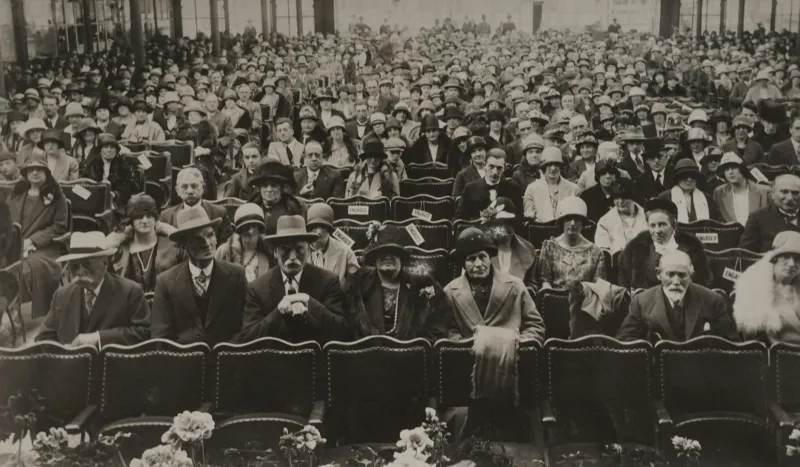
Picture this: It's October 1912, and 30,000 people have completely shut down Broadway in Manhattan. They're not protesting or celebrating a holiday. They're watching a man with chalk update a giant scoreboard, letter by letter, as the Boston Red Sox battle the New York Giants in the World Series.
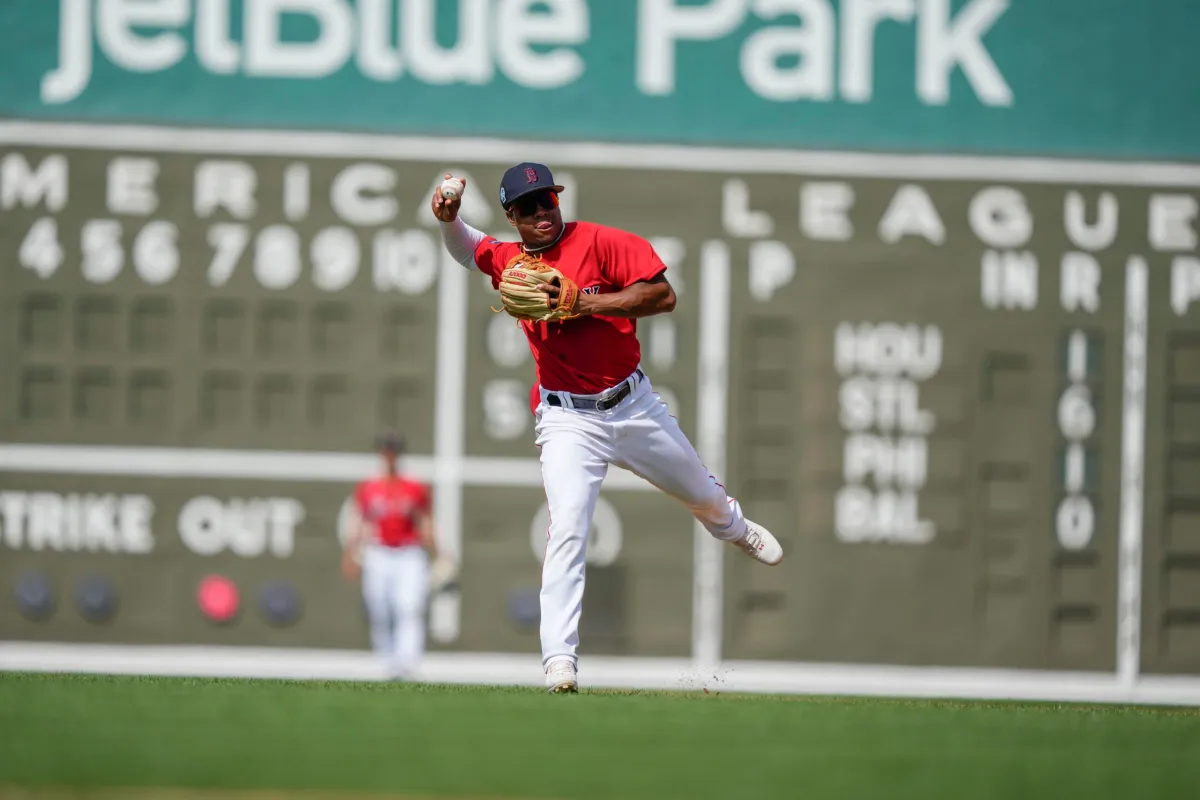 Photo: Boston Red Sox, via www.boston.com
The Theater of the Streets
Before radio broadcasts became common in the 1920s and television arrived decades later, following live sports required an entirely different kind of gathering. Major newspapers like the New York Times and Chicago Tribune would set up enormous wooden scoreboards outside their offices, complete with miniature baseball diamonds and moveable player figures. Telegraph operators inside would receive play-by-play updates from the ballpark and rush outside to update the boards by hand.
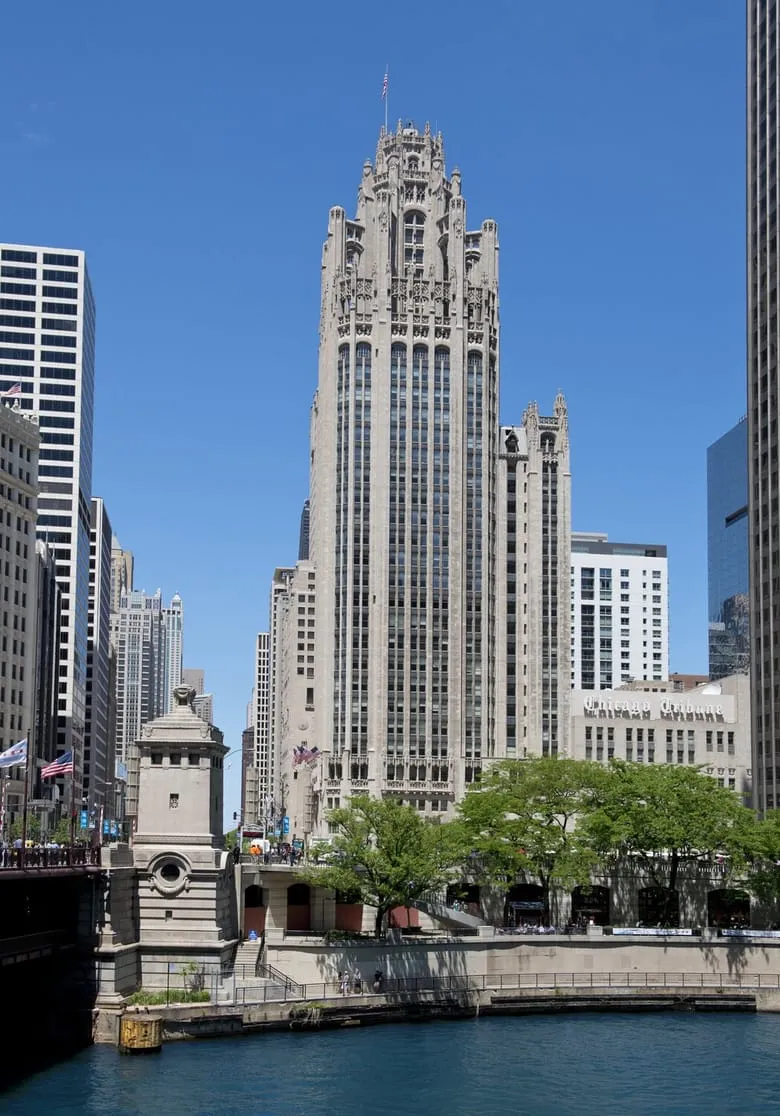 Photo: Chicago Tribune, via www.architecture.org
The crowds were massive. During the 1919 World Series, an estimated 100,000 people gathered outside the Chicago Tribune building alone. Department stores like Macy's and Wanamaker's quickly realized they could draw shoppers by setting up their own scoreboards. Some enterprising theaters even projected scoreboard updates onto screens, charging admission for what amounted to watching numbers change on a wall.
The Ritual of Waiting
What strikes you most about these gatherings wasn't just their size, but their patience. Modern fans expect instant replays, multiple camera angles, and real-time statistics. These crowds would wait minutes between updates, creating a rhythm of tension and release that no longer exists in sports consumption.
When a telegraph operator emerged with news of a home run, the roar could be heard blocks away. When he updated the score without explanation, the crowd would buzz with speculation. Was it an error? A double? A stolen base? The mystery was part of the experience.
Businesses learned to plan around these gatherings. Restaurants near newspaper offices would stock extra food for World Series games. Police departments would assign dozens of officers to manage crowds that could stretch for city blocks. Some cities even installed permanent scoreboards in public squares, treating sports updates as a municipal service.
Technology Changes Everything
The first radio broadcast of a baseball game happened in 1921, but it took years for radio ownership to become widespread. Even then, many Americans preferred the communal experience of street scoreboards. Why listen alone when you could share the drama with thousands of strangers?
Television dealt the killing blow, but slowly. The first televised World Series in 1947 was seen by an estimated 3.9 million viewers—impressive, but still a fraction of the radio audience. As TV sets became affordable through the 1950s, the street gatherings gradually disappeared. The last major scoreboard crowd in New York assembled in 1956, and even that drew only a few hundred people.
What We Lost
Today's sports viewing experience offers everything those street crowds could never have: slow-motion replays, expert commentary, statistics galore, and the comfort of your own couch. But something fundamental was lost in the transition.
Those public gatherings created shared civic moments in ways that modern sports consumption simply cannot. When the Red Sox won the 1912 World Series, thousands of strangers celebrated together on the streets of Boston. They didn't retreat to separate homes to discuss the game on social media—they lived it together, in real time, as a community.
The street scoreboards also democratized sports in ways we rarely consider. You didn't need to afford a ticket to the ballpark or own expensive equipment. Rich and poor, young and old, they all gathered on the same sidewalks, sharing the same information at the same moment.
The End of an Era
By 1960, the transformation was complete. Sports had moved from public spectacle to private entertainment. The massive scoreboards were dismantled, the crowds dispersed, and America began watching games in isolation.
We gained convenience, comfort, and infinitely better coverage. But we lost something harder to quantify: the experience of sports as a genuinely communal event, where the drama played out not just on distant fields but in the reactions of thousands of people standing shoulder to shoulder, waiting for a man with chalk to tell them what happened next.
The next time you're watching a game alone on your couch, surrounded by multiple camera angles and instant statistics, remember that for most of American sports history, following your team meant joining a crowd of strangers on a city street, united by nothing more than curiosity about whether a man 500 miles away had managed to hit a ball with a stick.