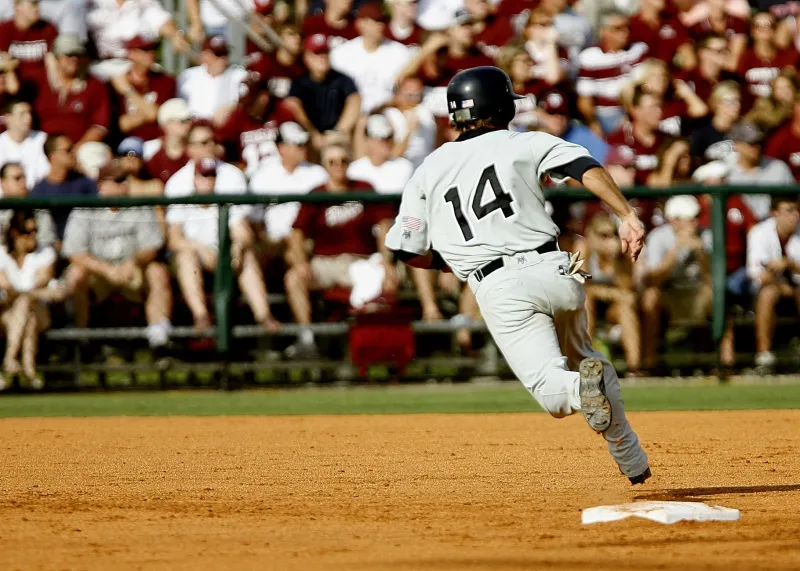
Deadline Panic and Morse Code: How Sports News Traveled Before WiFi
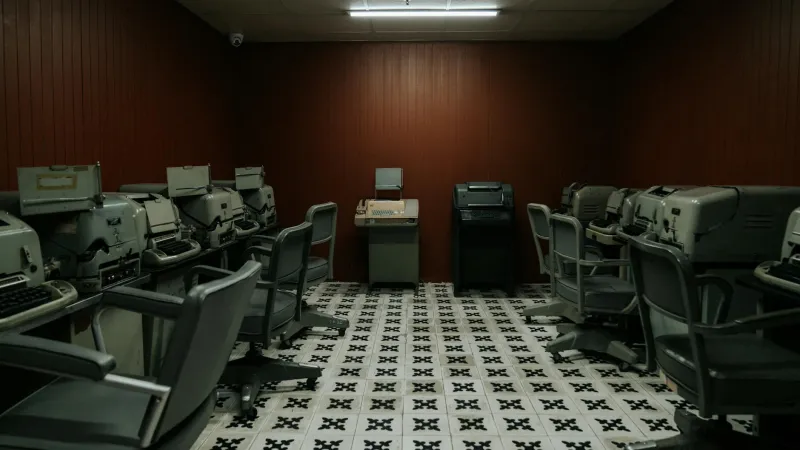
The Race Against Time
Red Smith had twenty minutes to save his career. The legendary sportswriter stood in a cramped Western Union office in Chicago, sweat beading on his forehead as he dictated his column to a telegraph operator whose fingers danced across brass keys. It was Game 7 of the 1955 World Series, the Dodgers had finally beaten the Yankees, and Smith's editor at the New York Herald Tribune was waiting for 800 words that could make or break the morning edition.
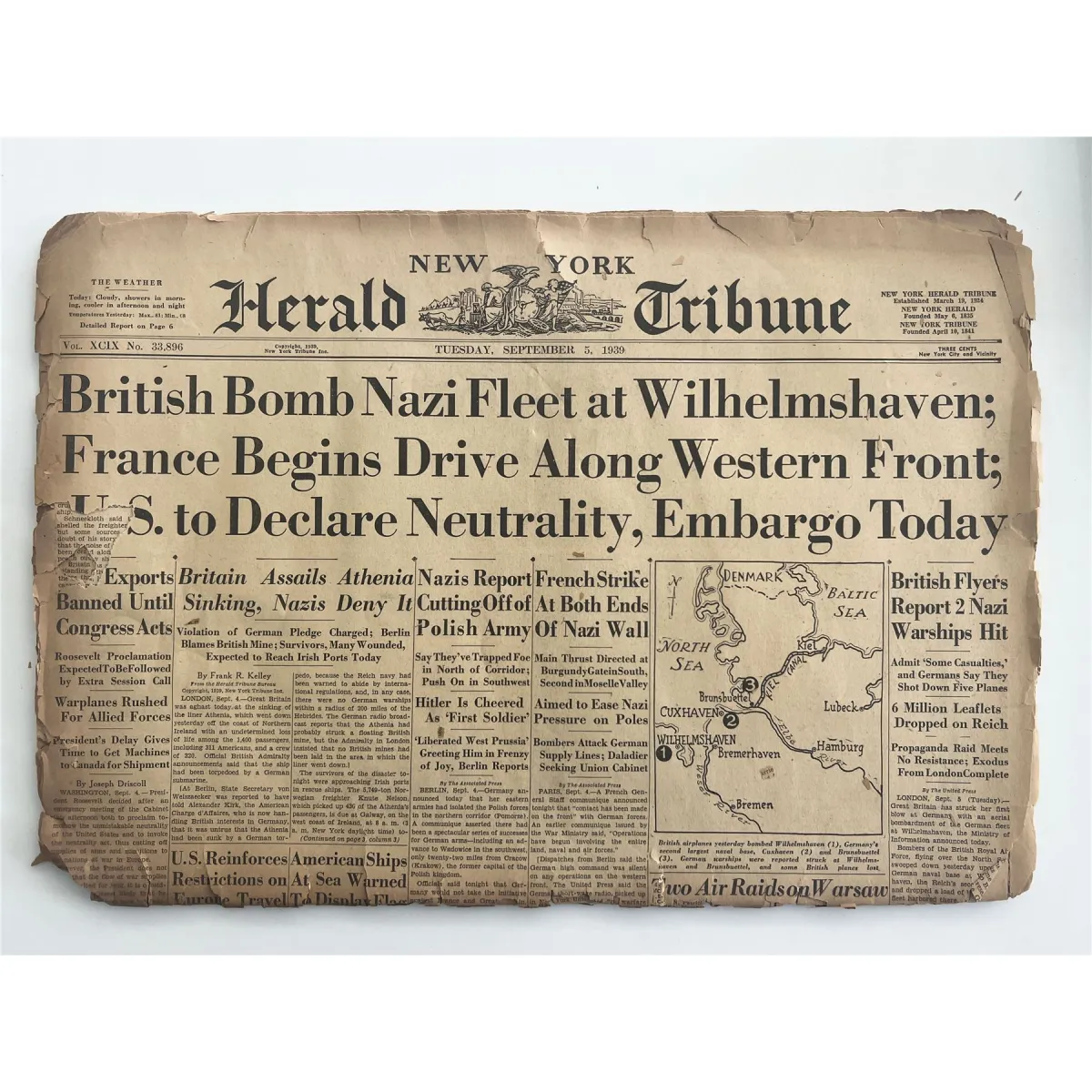 Photo: New York Herald Tribune, via dygtyjqp7pi0m.cloudfront.net
 Photo: Red Smith, via redsmith.org
The clock on the wall read 11:47 PM. The presses would start rolling at midnight.
This wasn't unusual. This was Tuesday.
Finding a Wire in Every City
Before satellites, internet, or even reliable long-distance phone service, sportswriters covering road games lived and died by the telegraph. Western Union offices became as familiar as press boxes, and reporters developed relationships with telegraph operators across the country like traveling salesmen cultivating clients.
The process was deceptively simple and routinely chaotic. After a game ended, reporters would race to the nearest Western Union office—sometimes blocks away from the stadium—and dictate their stories word by word to an operator who would tap them out in Morse code. The coded messages traveled through a network of wires and relay stations before being decoded and typed up at newspapers hundreds or thousands of miles away.
Everything that could go wrong usually did. Atmospheric conditions affected transmission quality. Relay stations sometimes went offline. Operators made transcription errors, turning "brilliant catch" into "brilliant batch" or transforming player names into unrecognizable jumbles of letters.
The Art of Telegraph Prose
Smart sportswriters learned to write for the telegraph. Sentences became shorter and punchier. Unnecessary words disappeared. Complex punctuation was avoided because operators charged by the word and quotation marks were expensive luxuries that could be dropped if space was tight.
This constraint accidentally created some of the most memorable sports writing in American history. Writers like Grantland Rice and Ring Lardner developed their legendary economical styles partly because they knew every word would be transmitted individually through crackling wires by tired operators working the night shift.
Telegraph transmission also meant no editing on the fly. Once you started dictating, you were committed. There was no backspace key, no delete function, no way to revise a clunky sentence without starting over entirely. Writers learned to compose complete paragraphs in their heads before speaking them aloud, creating a generation of journalists who could write clean copy under extreme pressure.
When Technology Failed
Disaster stories became legend in press boxes. During the 1947 World Series, a Western Union line went dead in the middle of transmitting a game story, cutting off the report mid-sentence. The story appeared in the morning paper ending with "DiMaggio swung at the first pitch and—" followed by white space.
Weather was the enemy. Thunderstorms could knock out telegraph lines for hours, leaving reporters stranded with stories that would be worthless by morning. Ice storms were worse, sometimes cutting communications for days. During a blizzard in Chicago in 1952, sportswriters from three different newspapers ended up sharing a single working telegraph line, taking turns dictating paragraphs while their competitors waited impatiently.
Operator error created its own category of disasters. Names got mangled, scores were reversed, and key plays were lost in translation. One famous incident involved a boxing match where the telegraph operator, unfamiliar with boxing terminology, changed "left hook" to "left book," creating a confusing account of a fighter apparently attacking his opponent with literature.
The Midnight Scramble
Deadlines were absolute. Morning newspapers went to press at specific times, and missing deadline meant your story wouldn't run. Period. This created a nightly drama in Western Union offices across the country as sportswriters raced against clocks that seemed to tick faster after 11 PM.
The worst scenario was a game that went into extra innings or overtime. Writers would start composing alternate endings in their heads—one for each possible outcome—while watching the clock creep toward deadline. Some learned to file "running stories," sending the first few paragraphs early and hoping to squeeze in an ending before the presses rolled.
Late games on the West Coast were especially brutal for East Coast newspapers. A baseball game that started at 8 PM in Los Angeles wouldn't end until nearly 2 AM Eastern time—well past most deadlines. Writers developed the art of the "early edition story," writing about the first six innings and hoping nothing dramatic happened later.
The Human Network
Telegraph operators became unsung heroes of sports journalism. The best ones learned to recognize regular customers, understood baseball terminology, and could even suggest better word choices to save money on transmission costs. Veteran sportswriters cultivated relationships with operators in every major city, sometimes bringing small gifts or tips to ensure priority service during busy nights.
Some operators became genuinely invested in the stories they transmitted. They'd follow games through the dispatches they were sending, occasionally asking reporters for updates on scores or key plays. A few even became unofficial editors, catching obvious errors or suggesting corrections before transmission.
The Speed of Modern Sports
Today's sports journalists file stories from their phones while walking through stadium concourses. They tweet updates between plays, publish articles minutes after games end, and can revise and update their work continuously. The entire news cycle has compressed from hours to seconds.
A modern sportswriter covering a road game can publish a complete game recap, three analysis pieces, and a dozen social media updates before the visiting team's bus leaves the stadium parking lot. The technology that once required finding a telegraph office and hoping the wires worked has been replaced by instant global communication that fits in your pocket.
But something was lost in the transition. The telegraph era forced writers to be economical, precise, and completely prepared. Every word mattered because every word cost money and time. There was no safety net of endless revision or instant publication. You had one chance to get it right, and that pressure created some of the most memorable sports writing ever published.
The Last Wire Story
The telegraph era in sports journalism effectively ended in the early 1970s as telephone technology improved and satellite communication became reliable. The last major sportswriter to regularly file stories by telegraph was probably Jim Murray of the Los Angeles Times, who continued using Western Union for some road assignments well into the 1960s simply because he trusted the system he knew.
 Photo: Los Angeles Times, via logos-world.net
Looking back, the telegraph era seems impossibly quaint—sportswriters racing through unfamiliar cities to find wire offices, dictating prose to operators who turned words into dots and dashes, and hoping their carefully crafted sentences would survive the journey intact. But it was also the era that created the foundation of modern sports journalism, when writers learned to tell complete stories with economy and precision, knowing that every word had to count because every word had to travel through a wire.