When a Hot Dog Cost a Quarter and Tasted Like Heaven: The Lost World of Affordable Stadium Food
The 25-Cent Hot Dog Paradise
In 1975, you could walk into Yankee Stadium with five dollars in your pocket and leave with a full belly and change jingling in your jeans. A hot dog cost a quarter. A bag of peanuts was fifteen cents. A cold beer—the only beer they sold—ran you fifty cents. Cracker Jack, the official snack of baseball immortalized in song, cost exactly what it had for decades: a dime.
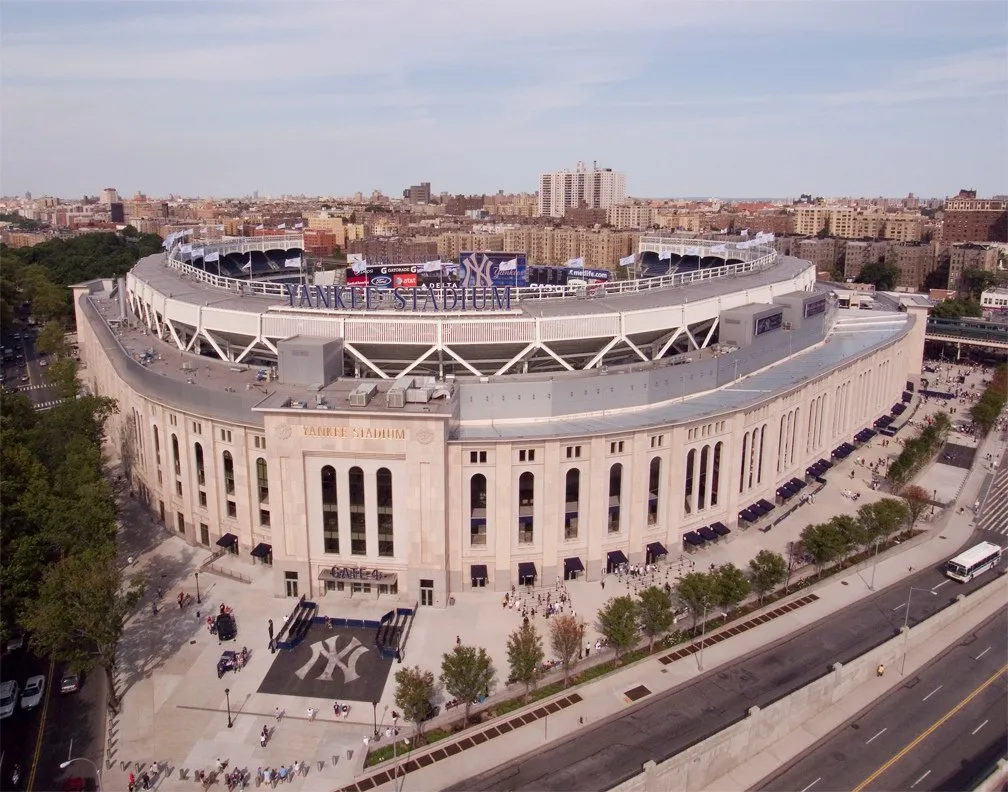 Photo: Yankee Stadium, via traveldigg.com
Those weren't "value menu" prices or special promotions. They were just prices. Going to a ballgame meant eating ballpark food, and ballpark food was designed for working families who saved up for an afternoon at the stadium. The entire concession experience was built around the radical idea that fans shouldn't have to choose between watching their team and feeding their kids.
Today, that same hot dog costs twelve dollars. The beer is eight dollars. A bag of peanuts runs four dollars, assuming you can find plain peanuts among the honey-roasted, wasabi-covered, and artisanally-salted varieties that have replaced them. A family of four now spends more on concessions than their grandparents spent on season tickets.
The Simple Menu Revolution
Walk through any ballpark in 1980, and the concession stands looked identical. Hot dogs, hamburgers, peanuts, popcorn, Cracker Jack, soda, and beer. Maybe nachos if you were at a particularly progressive stadium. The entire menu fit on a hand-painted sign above the counter, and everything was prepared the same way it had been for fifty years.
Vendors walking through the stands carried the same items in the same metal boxes their predecessors had used since the 1920s. The famous "Hot dogs! Get your hot dogs here!" call echoed through stadiums because that's literally all they were selling. No artisanal sausages, no gourmet toppings, no locally-sourced anything. Just hot dogs, steamed in water, served in basic buns, with yellow mustard and maybe some relish if you were lucky.
The beauty of this system was its democratic simplicity. Rich fans and poor fans ate the same food, paid the same prices, and shared the same experience. A CEO and a factory worker sitting next to each other would both be eating identical hot dogs, and neither felt like they were missing out on some premium experience happening elsewhere in the stadium.
When Beer Meant Beer
Before craft beer conquered America, stadium beer was beautifully uncomplicated. Budweiser, Miller, or Coors, served ice-cold in plastic cups. No IPAs, no seasonal ales, no local microbrews that cost more per ounce than gasoline. Just beer, cold and cheap and perfect for washing down hot dogs while watching baseball.
Vendors carried beer through the stands in metal tubs filled with ice, calling out "Cold beer here!" with the confidence that everyone knew exactly what they were selling. No one asked about alcohol content or flavor profiles or which brewery it came from. Beer was beer, and beer was fifty cents.
This simplicity extended to everything else. Soda meant Coke or Pepsi, not seventeen varieties of craft sodas and kombucha. Coffee meant coffee, not lattes or cappuccinos or cold brew infused with nitrogen. The concession experience was about fueling up for the game, not exploring culinary boundaries.
The Birth of Stadium Gourmet Culture
The transformation began slowly in the 1990s, when stadiums started experimenting with "premium" concessions. Suddenly, ballparks featured sushi stands, wine bars, and restaurants run by celebrity chefs. What started as novelty additions gradually became the main attraction, with traditional ballpark food relegated to "value" sections that felt more like afterthoughts.
Modern stadiums now compete on their food offerings as much as their teams. Citi Field in New York features a restaurant by Danny Meyer. AT&T Park in San Francisco offers garlic fries that have become more famous than some of the players. Camden Yards in Baltimore serves crab mac and cheese that costs more than some fans' entire 1980s concession budget.
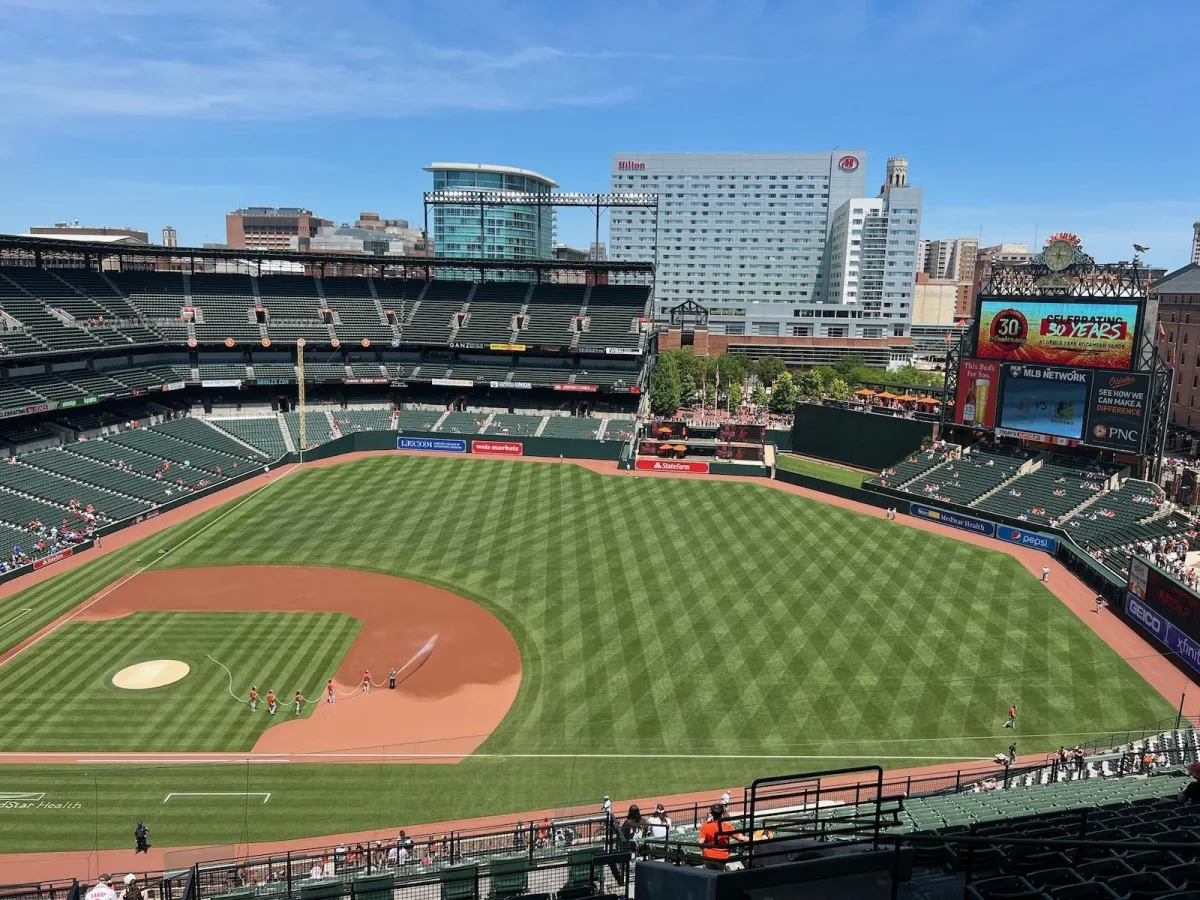 Photo: Camden Yards, via wallpaperaccess.com
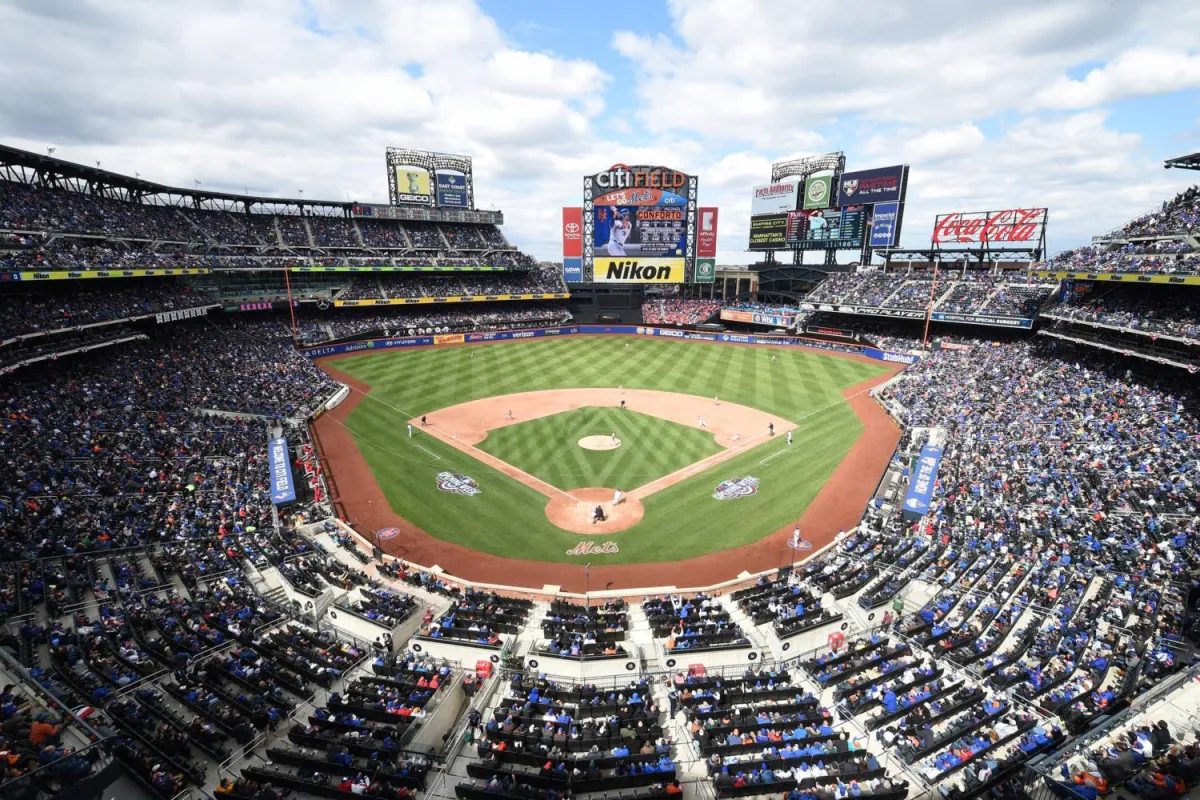 Photo: Citi Field, via wallpapercave.com
This culinary arms race has created a two-tier system that would have been unthinkable in the democratic ballpark culture of previous eras. Fans with money can enjoy elaborate meals in climate-controlled club sections, while everyone else pays premium prices for basic food that used to be affordable for everyone.
The Economics of Eating Out at the Ballpark
The numbers tell the story starkly. In 1975, the average American worker earned about $4.50 per hour. That quarter hot dog represented roughly three minutes of work. Today's $12 hot dog, for a worker earning $15 per hour, represents 48 minutes of work. What was once an impulse purchase has become a significant expense that families budget for like a car payment.
This pricing transformation reflects a broader change in how stadiums view fans. Where concessions once served as a public service—keeping fans fed and happy—they're now profit centers designed to maximize revenue per customer. Teams discovered that captive audiences will pay almost anything, and they've priced accordingly.
The result is that eating at a ballgame has shifted from a casual part of the experience to a luxury activity. Families now pack sandwiches and sneak them into stadiums, or they simply go hungry rather than spend fifty dollars on basic concessions.
When Vendors Were Neighborhood Characters
The old concession culture created relationships between fans and vendors that lasted decades. Regular fans knew their hot dog guy by name and would seek him out in the stands. Vendors developed followings, with fans who would only buy from their favorite beer seller or peanut vendor.
These vendors were often local characters who worked the same sections for years, building relationships with season ticket holders and becoming part of the stadium's personality. They knew which fans wanted extra mustard, who always bought two beers instead of one, and which kids were celebrating birthdays.
Modern stadiums have largely eliminated this personal connection. Corporate concession companies employ rotating staff who might work a few games per season. The vendors walking through the stands are often temporary workers who don't know the fans or the stadium's traditions. The human element that made ballpark food about more than just eating has been systematically removed in favor of efficiency and profit maximization.
The Lost Democracy of Ballpark Dining
What we've lost isn't just affordable food—it's the shared cultural experience that cheap concessions created. When everyone could afford hot dogs and beer, the ballpark felt like a genuinely democratic space where economic differences temporarily disappeared. Rich and poor fans participated in the same rituals, ate the same food, and felt part of the same community.
Today's stadium food culture reinforces economic divisions rather than bridging them. Premium dining options create exclusive experiences for wealthy fans, while everyone else feels priced out of full participation in ballpark culture. The simple pleasure of buying your kid a hot dog without calculating whether you can afford it has become a luxury that many families can't justify.
The transformation from quarter hot dogs to twelve-dollar gourmet sausages represents more than inflation or changing tastes. It reflects a fundamental shift in how we think about public spaces, shared experiences, and who gets to participate fully in American cultural traditions. Those 1975 fans eating cheap hot dogs weren't just saving money—they were living in a more egalitarian version of American sports culture that we're still trying to figure out how to get back.