Midnight Champions and Morning Newspapers: When Baseball Fans Waited Until Dawn for Last Night's Heroes
Midnight Champions and Morning Newspapers: When Baseball Fans Waited Until Dawn for Last Night's Heroes
Picture this: It's October 1988, and Kirk Gibson limps to the plate in the bottom of the ninth inning of World Series Game 1. His impossible home run off Dennis Eckersley sends Dodger Stadium into hysteria and becomes one of baseball's most legendary moments. But for millions of fans on the East Coast, this drama unfolded while they were fast asleep, dreaming of nothing more exciting than their morning commute.
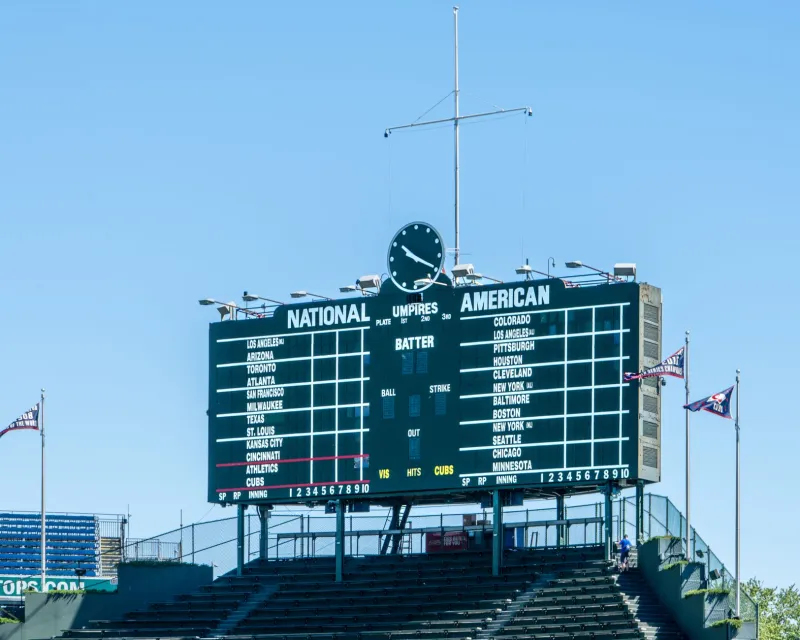
 Photo: Dodger Stadium, via ocdn.eu
The Geography of Ignorance
When Major League Baseball expanded west in the 1950s and 1960s, it created an unintended consequence that seems almost primitive by today's standards. Night games on the West Coast started at 10 PM Eastern time, meaning they often concluded well past midnight. For three hours of baseball's most crucial moments, an entire half of the country existed in complete ignorance of what was happening.
The 1989 World Series between the Oakland Athletics and San Francisco Giants perfectly illustrated this bizarre reality. Game 3, delayed by the Loma Prieta earthquake, eventually resumed and concluded at nearly 2 AM Eastern time. Fans in New York, Boston, and Philadelphia went to bed not knowing if their season was over, if their heroes had triumphed, or if they'd witnessed history in the making.
The Ritual of Morning Discovery
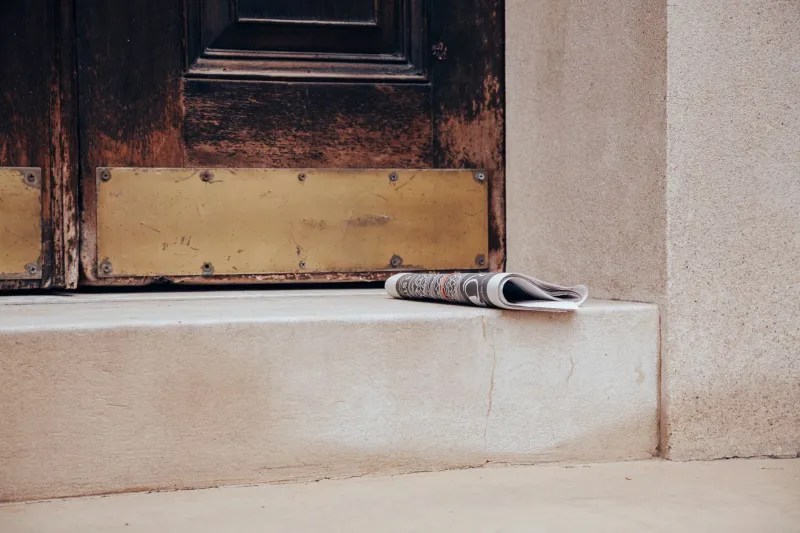
For East Coast baseball fans, the morning newspaper became a time machine. Walking to the driveway in your bathrobe, you'd unfold the sports section with the anticipation of opening a birthday present. Sometimes you'd discover your team had pulled off a miraculous comeback. Other times, you'd learn that a promising season had ended while you were brushing your teeth.
The sports writers of that era understood their unique responsibility. They weren't just reporting games; they were serving as the exclusive messengers of overnight drama. Headlines had to capture not just what happened, but convey the emotional weight of moments their readers had never seen. A simple "Dodgers Win 5-4" couldn't do justice to Gibson's heroics, so writers crafted prose that painted pictures for an audience that had missed the entire movie.
Radio's Lonely Vigil
The dedicated few who refused to sleep through history had only radio as their companion. Vin Scully's voice carried across three time zones, painting pictures of moonlit stadiums and October magic for insomniacs and shift workers. These radio calls became more than play-by-play; they were lifelines connecting scattered fans to moments they couldn't see.
Listening to West Coast playoff games on East Coast radio required commitment bordering on obsession. You'd lie in bed with a small transistor radio pressed to your ear, trying not to wake your family while following every pitch of a pennant race. The static and fade of AM signals added an element of uncertainty that made distant home runs feel like transmissions from another planet.
The Newspaper Empire's Last Stand
This geographic time delay gave newspapers their final moment of true power in sports. While today's fans refresh their phones every thirty seconds for score updates, 1970s and 1980s baseball fans had no choice but to wait for the morning edition. Newspapers knew they held a monopoly on overnight baseball drama, and they used it to sell papers.
Sports editors would hold the presses for West Coast games, knowing that thousands of readers would buy their paper specifically to learn what happened after bedtime. The box scores weren't just statistics; they were archaeological evidence of battles fought in distant time zones. Fans would study them like treasure maps, reconstructing entire games from numbers and brief descriptions.
When Everything Changed
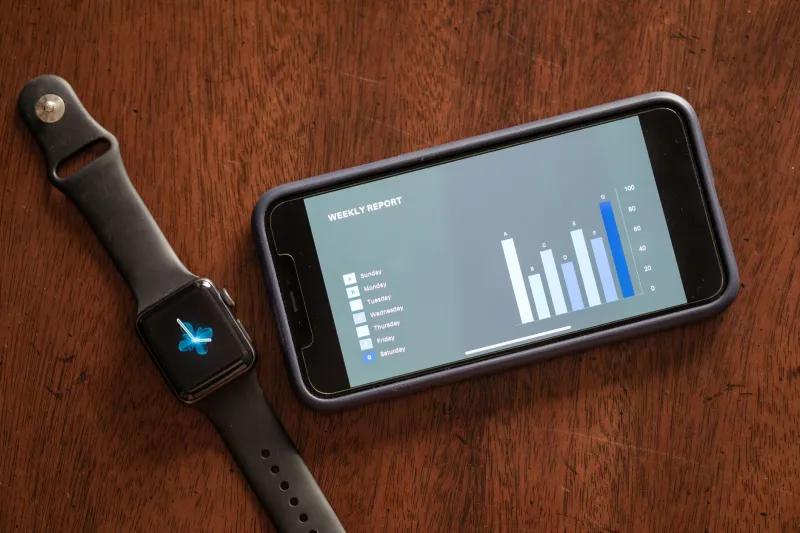
ESPN's launch in 1979 began chipping away at the overnight mystery, but the real revolution came with the internet. Suddenly, fans could refresh Yahoo Sports or ESPN.com at 1 AM and know instantly if their team had won or lost. The smartphone completed the transformation, turning every pocket into a portal to real-time baseball drama.
Today's fans can watch any game, anywhere, at any time. They receive push notifications the moment something significant happens. A West Coast walkoff home run reaches East Coast fans before the ball lands in the bleachers. The geographic tyranny of time zones has been completely eliminated.
What We Lost in the Light
There was something magical about waking up to discover that your team had won a championship while you slept. The delayed gratification made the joy more intense, more surprising. Modern fans experience every moment of drama in real time, but they've lost the unique pleasure of morning revelations.
The newspaper sports section was appointment reading, a daily ritual that connected fans to their teams through carefully crafted prose rather than instant video clips. Writers had time to process, to find meaning, to transform raw events into stories that would endure. Today's instant analysis rarely achieves the thoughtful perspective that came from overnight reflection.
The Dawn of Instant Everything
In our current world of live streams, real-time notifications, and second-screen experiences, the idea of waiting until morning to learn a game's outcome seems almost quaint. We've gained immediate access to every moment of sports drama, but we've lost the anticipation and surprise that made those morning newspaper discoveries so special.
The next time your phone buzzes with a score update at midnight, remember the fans who once had to wait until dawn to learn if their heroes had conquered the night. They experienced baseball in a fundamentally different way – one that required patience, trust, and the willingness to let someone else tell their story.