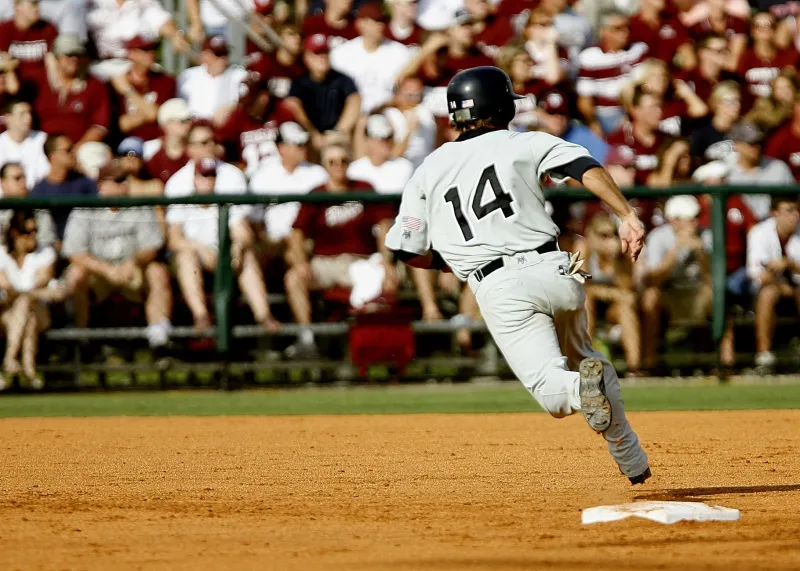
When One Voice Painted Every Pitch: How Radio Created America's Sports Imagination
The Theater of the Mind
It's October 1, 1932, and Babe Ruth steps to the plate at Wrigley Field. Fifty million Americans lean closer to their radio sets as announcer Tom Manning describes the scene: "The Bambino points toward the center field bleachers... here's the windup... the pitch..." What happened next became legend, but here's the remarkable part—most of America "saw" it happen without seeing anything at all.
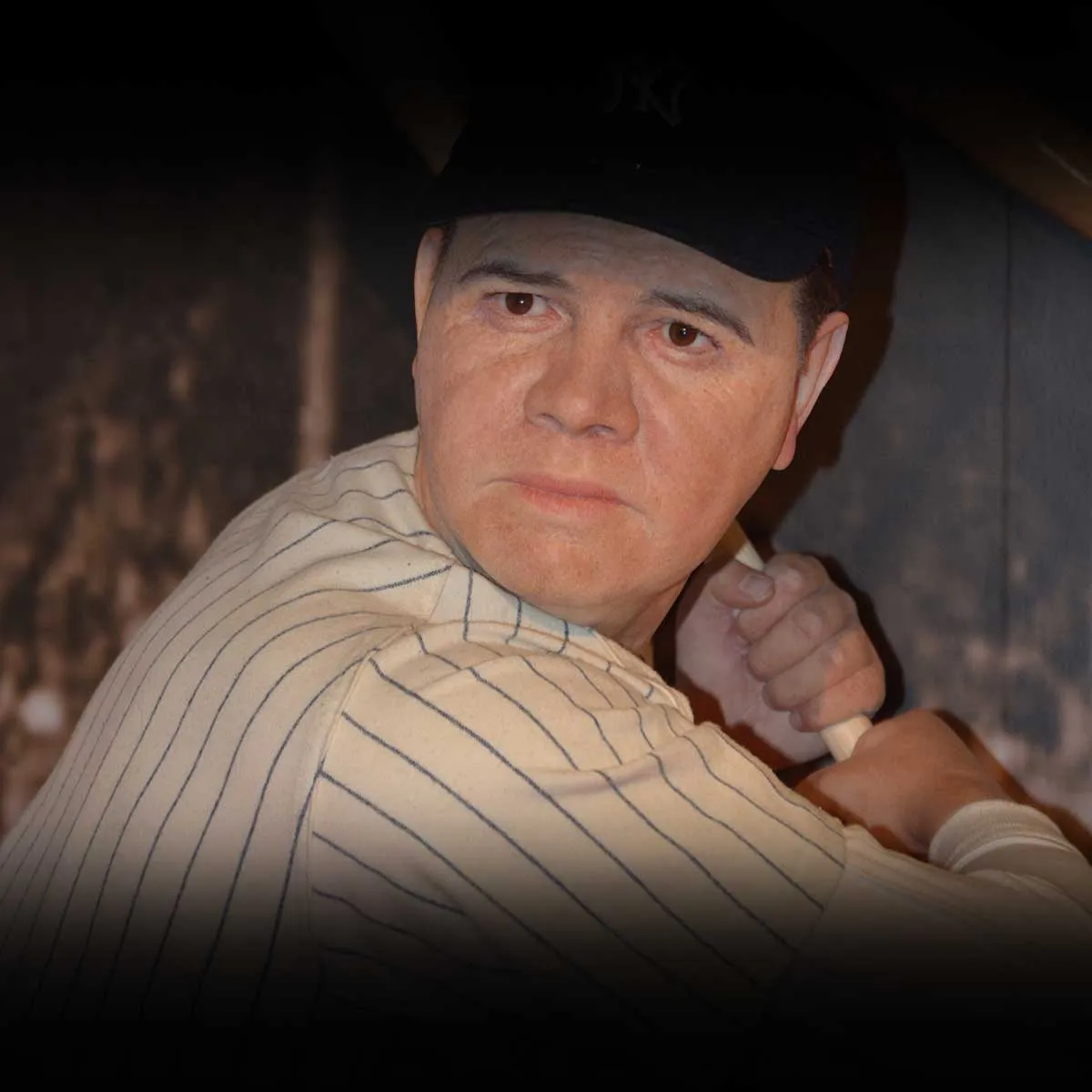 Photo: Babe Ruth, via nationaltoday.com
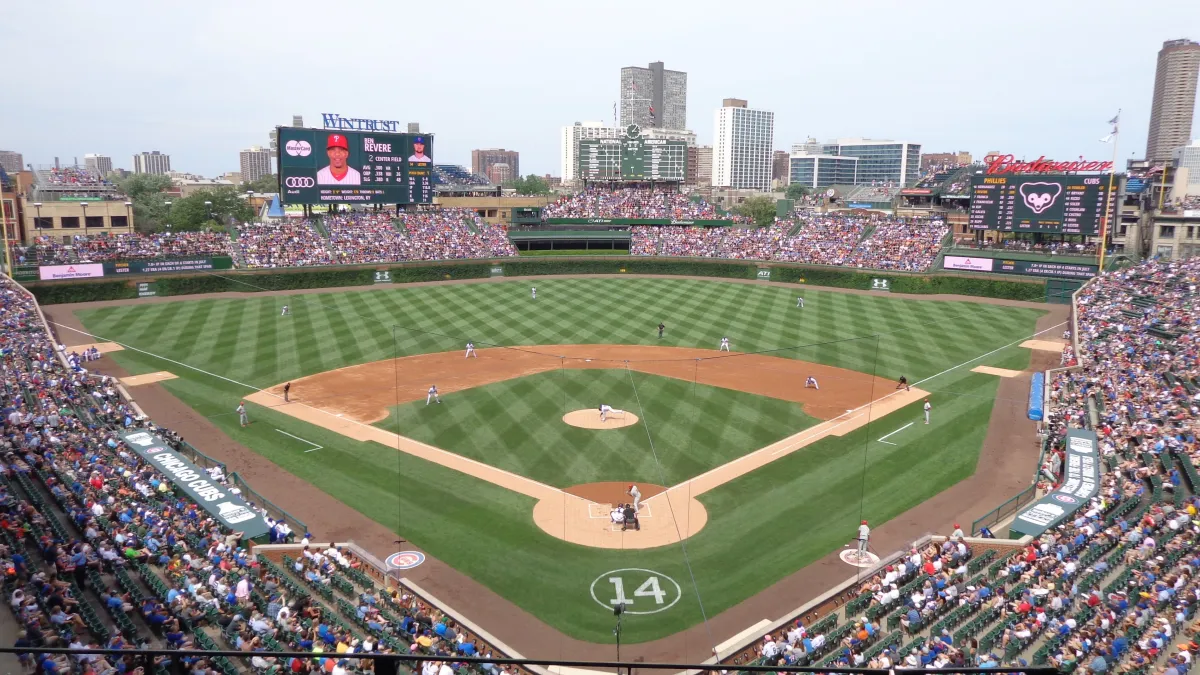 Photo: Wrigley Field, via s1.ticketm.net
This was the golden age of radio sports, when a single human voice had the power to make an entire nation hold its breath. No instant replays to confirm what happened, no slow-motion analysis to break down the physics, and certainly no Twitter to immediately fact-check the announcer's interpretation. Just one person, sitting in a booth, painting pictures with words while America listened in rapt attention.
Building Loyalty Through Static
Radio created the first generation of national sports fans, but in a way that seems almost impossible to imagine today. Fans developed fierce loyalty to teams they had never seen play, in cities they had never visited, based entirely on the storytelling ability of broadcasters they would never meet.
Red Barber made the Brooklyn Dodgers feel like family to listeners across the South through his folksy descriptions and colorful metaphors. When he said a player was "sitting in the catbird seat," fans knew exactly what he meant, even though they'd never heard the phrase before. Mel Allen turned the New York Yankees into America's team by making every home run sound like a moment of destiny with his signature "Going, going, gone!"
These weren't just play-by-play announcers—they were the sole interpreters of reality for millions of people. If Red Barber said a close play was safe, it was safe in the minds of Dodger fans from Florida to North Carolina. There was no video review to contradict him, no alternative camera angles to provide context. His word was gospel.
The Intimacy of Imagination
Radio sports created an intimacy between fan and game that television, for all its visual advantages, has never quite replicated. When you listened to a baseball game on radio, you weren't just a passive observer—you were an active participant in creating the experience.
The crack of the bat became whatever you imagined it to be. The roar of the crowd was filtered through your own memories of excitement and disappointment. When the announcer described a diving catch, your mind's eye created a more dramatic and perfect version than any camera could capture.
This collaborative storytelling between broadcaster and listener created shared experiences that felt deeply personal. Families gathered around radio sets, with multiple generations experiencing the same game in completely different ways based on their individual imaginations and life experiences.
When Silence Spoke Volumes
The technical limitations of radio broadcasting forced announcers to become master storytellers in ways that modern broadcasters never need to develop. They had to fill every moment with vivid description, but they also learned the power of strategic silence.
When Bob Thomson hit his famous "Shot Heard 'Round the World" in 1951, announcer Russ Hodges screamed "The Giants win the pennant!" four times, then went completely silent for nearly thirty seconds. That silence, filled only with crowd noise, became as iconic as the words themselves. Modern television broadcasters, terrified of dead air and equipped with endless graphics to fill time, rarely create such powerful moments of pure emotion.
Radio announcers also had to master the art of describing action that happened too quickly for the human eye to follow. A double play that took three seconds to execute might require thirty seconds of description to properly convey to listeners. This forced broadcasters to become students of the game in ways that television's instant replay has made unnecessary.
The Democracy of Distance
Radio democratized sports fandom in ways we often forget. A farm family in rural Nebraska could follow the Chicago Cubs with the same passion and knowledge as someone sitting in the bleachers at Wrigley Field. Geography became irrelevant in a way that seems quaint in our age of streaming services and league blackout restrictions.
This accessibility created the first truly national sports culture. Before radio, most fans only cared about their local teams because those were the only teams they could follow. Radio made it possible for a kid in Kansas to become a lifelong Yankees fan, or for a family in Texas to adopt the Detroit Tigers as their team.
The shared experience of listening to the same broadcast also created a common language among fans. Everyone who followed baseball knew what it meant when an announcer said a batter "went down looking" or a pitcher was "working the corners." These phrases, born from radio's need for efficient description, became part of the sport's permanent vocabulary.
When Announcers Were Celebrities
Radio made sports broadcasters into celebrities in their own right, something that television would later diminish by making the game itself the star. Announcers like Harry Caray, Vin Scully, and Ernie Harwell became as beloved as the players they described, their voices literally the soundtrack to childhood for millions of fans.
These men (and they were almost exclusively men) developed distinct personalities and catchphrases that became inseparable from their teams' identities. Pirates fans didn't just listen to baseball—they listened to Bob Prince. Cardinals fans tuned in as much for Harry Caray's enthusiasm as for the actual game.
The relationship between announcer and audience was so personal that many fans felt they knew these men intimately, even though the communication was entirely one-way. When longtime announcers retired or died, communities mourned as if they had lost a family member.
The Transition to Television
The shift from radio to television as America's primary sports medium happened gradually, then suddenly. By the 1960s, most major sporting events were available on television, but radio maintained its importance for fans who couldn't be home to watch.
What television gained in visual information, it lost in imaginative engagement. Viewers could see exactly what happened, but they no longer needed to create mental pictures or fill in details with their imagination. The collaborative aspect of radio sports—where listener and announcer worked together to create the experience—was replaced by passive consumption of pre-packaged visual content.
Television also fragmented the shared experience that radio had created. With multiple camera angles, instant replays, and color commentary, viewers received far more information but lost the unified perspective that a single radio voice provided. Controversial calls that once stood as interpreted by the radio announcer could now be endlessly debated and analyzed from multiple angles.
The Modern Fragmentation
Today's sports media landscape would be incomprehensible to fans from radio's golden age. A single game can be watched on television, streamed online, followed on social media, analyzed in real-time by dozens of experts, and debated immediately across countless platforms.
Fans sitting next to each other at the same game might be having completely different experiences—one following traditional television coverage, another watching a specialized streaming feed focused on analytics, and a third getting real-time updates and commentary from their Twitter feed.
This abundance of choice and perspective has made sports coverage more comprehensive and democratic, but it has also eliminated the shared cultural experience that radio provided. There's no modern equivalent to the entire country listening to the same World Series broadcast and having the same emotional reaction at the same moment.
The Lost Art of Listening
Radio sports required a kind of attention and engagement that modern media consumption has largely abandoned. Listeners had to focus completely on the broadcast to follow the action, creating a level of mental investment that today's multi-tasking, second-screen viewing can't match.
The skills that radio announcers developed—the ability to create vivid mental pictures with words alone, to build suspense through pacing and tone, to make statistics sound like poetry—have largely been lost as visual media made such talents unnecessary.
What remains from radio's golden age is the recognition that sports are fundamentally stories, and the best way to tell those stories is through the marriage of expert knowledge and passionate communication. The technology has evolved beyond recognition, but the human need to share in the drama and meaning of athletic competition remains exactly the same.
From one voice painting pictures to a thousand screens showing every angle, the evolution of sports media reflects our changing relationship with information, community, and imagination itself. We've gained access to everything, but perhaps lost the magic of seeing it all in our mind's eye.
 Photo: Yankee Stadium, via thumbs.dreamstime.com