The Olympics Nobody Wanted: When America's Greatest Sports Spectacle Was Just Another County Fair
The Olympics That Time Forgot
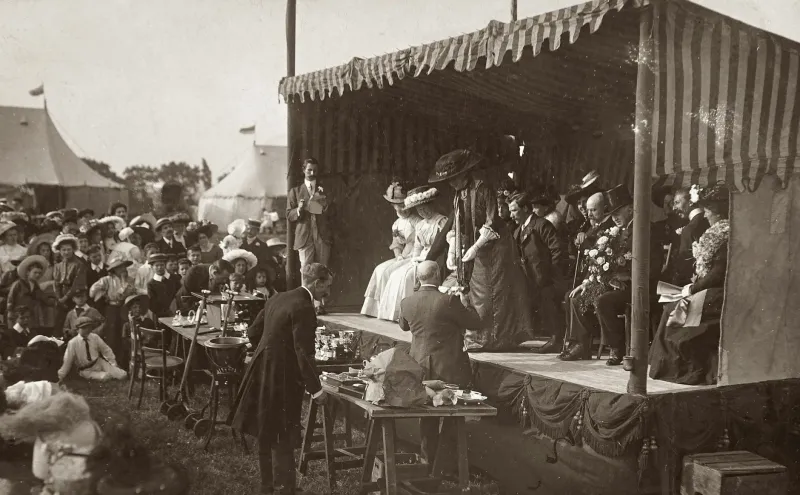
In the summer of 1904, the third modern Olympic Games took place in St. Louis, Missouri, as a sideshow to the World's Fair. If you lived in America that year and missed the Olympics entirely, you weren't alone. Most of the country did the same thing.
 Photo: St. Louis, via www.palaisdurosaire.com
The games lasted five months—not two weeks—and featured events that would seem absurd today. There was tug-of-war (an official Olympic sport), 56-pound weight throwing, and something called "all-around dumbbell contest." The marathon was run in 90-degree heat with no water stations, and one competitor nearly died from eating rat poison and drinking brandy mid-race.
Only 12 countries sent athletes, and most of those were represented by a handful of competitors who happened to be in St. Louis for other reasons. The "international" competition was so sparse that American athletes won 239 of the 280 medals awarded. It wasn't dominance—it was a lack of competition.
A Carnival Masquerading as Competition
The 1904 Olympics weren't really about athletic excellence. They were about entertainment, and often bizarre entertainment at that. The games included "Anthropology Days," where Native Americans and indigenous people from around the world were asked to compete in both traditional Olympic events and activities from their own cultures, often in front of gawking crowds who treated the competitions like a human zoo.
The swimming events took place in a makeshift lake that was part of the World's Fair lagoon system. The water was murky, occasionally contaminated, and featured an obstacle course that required swimmers to climb over and under various barriers. Modern Olympic swimmers would take one look at those conditions and call their lawyers.
Newspaper coverage was minimal and often buried deep in the sports pages, well behind local baseball scores and horse racing results. The St. Louis Post-Dispatch, the local paper, treated the Olympics as a minor curiosity compared to the World's Fair attractions like the enormous Ferris wheel and the Filipino village exhibit.
The Slow Climb to Relevance
The Olympics didn't immediately transform into the global spectacle we know today. The 1908 London Games were better organized but still drew limited American attention. The 1912 Stockholm Olympics began to establish some of the pageantry and international competition that would define the modern games, but they remained a niche interest.
World War I cancelled the 1916 Olympics, and when they resumed in 1920, most Americans were more concerned with getting back to normal life than watching international athletic competition. The 1924 Paris Olympics featured some American stars, like swimmer Johnny Weissmuller, who would later become famous as Tarzan, but the games still felt like a European curiosity.
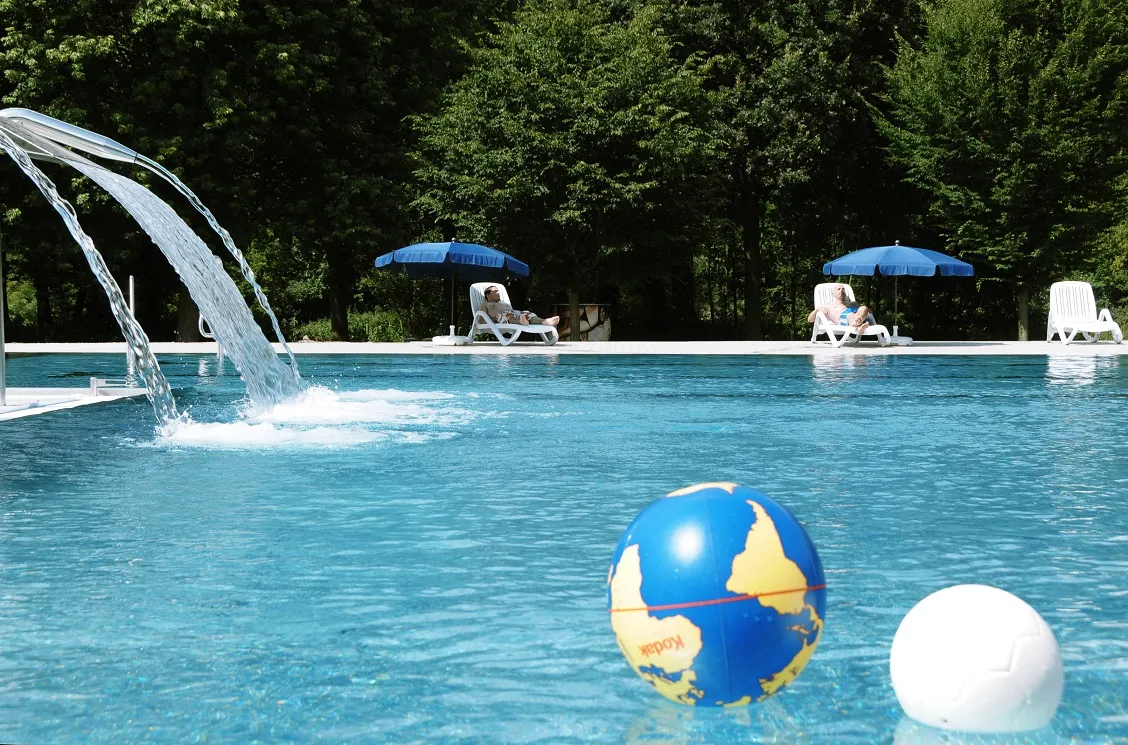 Photo: Johnny Weissmuller, via www.allesmuenster.de
The real turning point came with the 1936 Berlin Olympics, where Jesse Owens's four gold medals in front of Adolf Hitler created a story that transcended sports. For the first time, the Olympics became a stage for geopolitical drama, and Americans began to understand that these games could represent something larger than athletic competition.
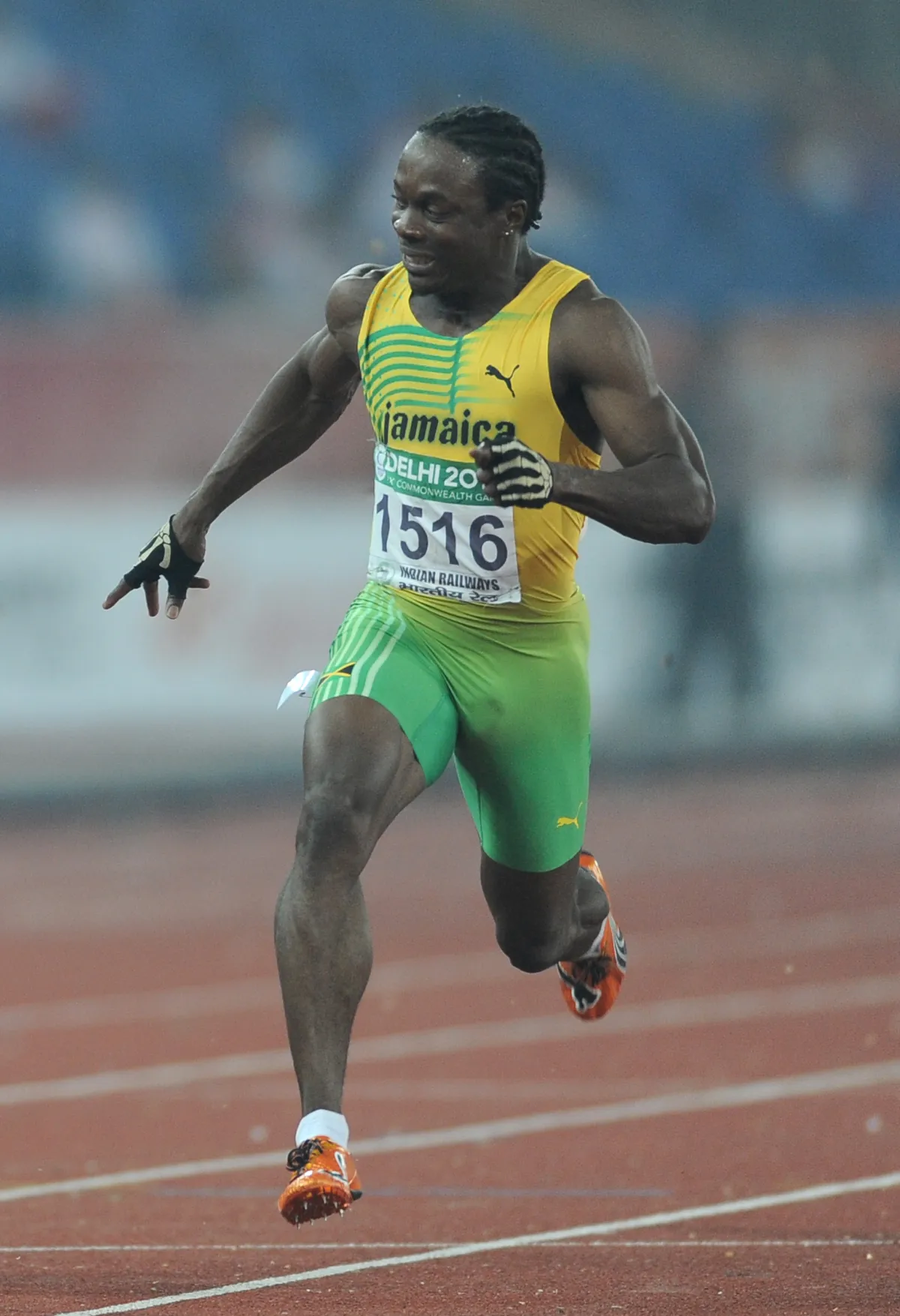 Photo: Jesse Owens, via archive.org
Television Changes Everything
The 1960 Rome Olympics marked the beginning of the modern era, not because the competition was dramatically different, but because television brought the games into American living rooms. Suddenly, people could watch events as they happened, see the emotion on athletes' faces, and feel connected to competitions taking place thousands of miles away.
The 1972 Munich Olympics, despite the tragedy of the terrorist attack, demonstrated the power of live television to create shared national experiences. Americans stayed glued to their television sets, not just for the athletic competition but for the unfolding human drama.
By the 1984 Los Angeles Olympics, the transformation was complete. The games had become a massive television production, with opening ceremonies that rivaled Super Bowl halftime shows and prime-time coverage that drew enormous audiences. Corporate sponsors paid millions for advertising time, and athletes became household names overnight.
The Billion-Dollar Spectacle
Today's Olympics would be unrecognizable to someone who attended those 1904 St. Louis games. The modern Olympics generate billions in television revenue, require years of planning, and employ tens of thousands of people. The opening ceremony alone costs more than most countries spent on their entire Olympic efforts a century ago.
The 2021 Tokyo Olympics, despite being held during a pandemic with limited attendance, still reached a global television audience of more than 3 billion people. In the United States alone, NBC paid $4.38 billion for the rights to broadcast the Olympics through 2032—more money than existed in the entire American economy when those first Olympics were held in St. Louis.
Modern Olympic athletes train for years with teams of coaches, sports scientists, and performance specialists. They compete in purpose-built venues that cost hundreds of millions of dollars and will be used for just a few weeks. The contrast with 1904, when events were held in temporary facilities at a World's Fair, couldn't be more stark.
The Price of Popularity
This transformation represents one of the most dramatic shifts in American sports culture. What began as a poorly organized curiosity has become the most-watched sporting event on the planet, capable of uniting or dividing entire nations based on the performance of their athletes.
But something was lost in the process. Those early Olympics, for all their flaws and bizarre events, had an experimental quality that's been polished away by modern production values. When athletes compete today, they're performing on a stage that's been carefully choreographed for maximum television impact.
The 1904 Olympics were chaotic, poorly planned, and often ridiculous. They were also authentic in a way that modern Olympics, with their corporate sponsors and carefully crafted narratives, can never be.
From Sideshow to Main Event
The next time you find yourself planning your schedule around Olympic coverage, or staying up late to watch swimming finals, or feeling genuinely emotional about the success or failure of athletes you've never heard of, remember that this massive cultural phenomenon grew from an event that most Americans in 1904 couldn't have cared less about.
The Olympics became important because we decided they were important. The transformation from World's Fair sideshow to global spectacle wasn't inevitable—it was the result of television, corporate investment, and a gradual cultural shift that made international athletic competition feel like it mattered.
In 1904, if you told someone that the Olympics would one day be the most-watched television event in the world, they would have thought you were as crazy as the marathon runner who drank rat poison and somehow finished third. But that's exactly what happened, one Olympic Games at a time.