Tuesday Night Meant Waiting Until Wednesday: How Sports Fans Survived the Dark Ages Before ESPN

The Great Sports Silence
Imagine this: Your favorite team plays a Tuesday night game in another city. You can't watch it because it's not on local television. You can't stream it because the internet doesn't exist. You can't even get real-time updates because ESPN won't launch for another two years. Your only option? Wait for Wednesday morning's newspaper and hope the sports section includes more than just the final score.
This was reality for American sports fans before September 7, 1979, when a small cable channel called ESPN broadcast its first SportsCenter. For the previous century of organized sports, fans lived in what we'd now consider an information desert, surviving on scraps of coverage that modern fans would find almost medieval.
When Sports News Came Once a Day
Before ESPN, sports information followed a rigid schedule that had barely changed since the 1920s. Newspapers delivered comprehensive coverage, but only after games ended and printing presses rolled. Television offered brief highlights during the late evening news, usually lasting three to five minutes total for all sports combined. Radio provided play-by-play for local teams, but out-of-town games might as well have been happening on Mars.
Fans developed elaborate rituals around this scarcity. They'd rush to newsstands at midnight to grab the early edition papers. They'd cluster around transistor radios, hoping to catch distant AM signals carrying away games. Some kept detailed notebooks, tracking statistics and storylines that no television show bothered to follow.
The contrast with today is almost incomprehensible. Modern fans panic if their ESPN app takes more than three seconds to load. In 1978, fans considered themselves lucky if they found out their team's score before going to bed.
The Five-Minute Sports World
Local television news treated sports like a necessary afterthought. Most stations allocated exactly five minutes to sports, regardless of whether it was the middle of baseball season or the Super Bowl had just ended. Anchors raced through scores, showed maybe two highlights, and moved on to weather.
Those highlights weren't the carefully crafted mini-movies we see today. They were often just a few seconds of game footage with basic commentary: "Johnson hits a home run. Yankees win 6-4." No slow-motion replays, no multiple camera angles, no analysis of what the victory meant for playoff chances. Just the bare facts delivered as quickly as possible.
Sports anchors weren't personalities either. They were newscasters who happened to read sports scores. The idea of a sports anchor becoming a household name, like Stuart Scott or Stephen A. Smith, would have seemed absurd. Sports was news, not entertainment.
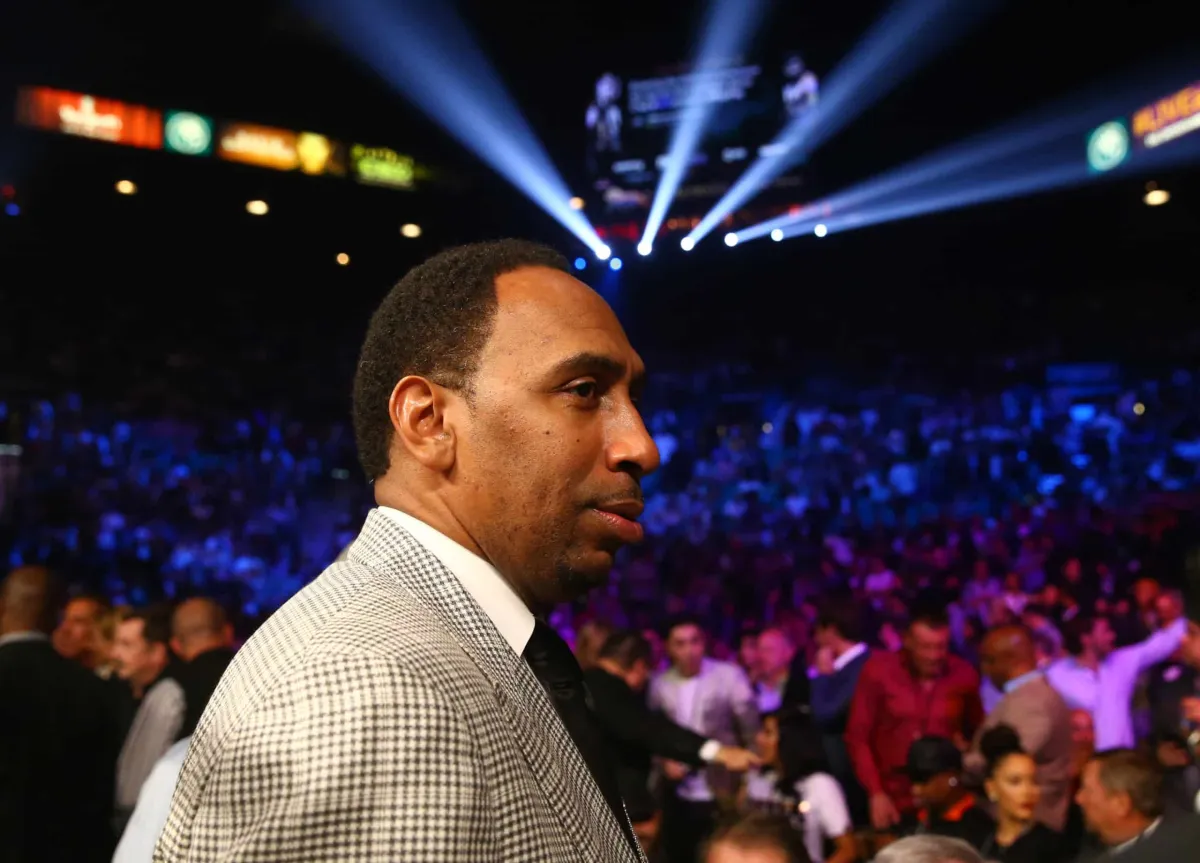 Photo: Stephen A. Smith, via frontofficesports.com
When Debates Happened in Barbershops
Without 24-hour sports talk shows, passionate fan debates happened in barbershops, office break rooms, and neighborhood bars. These conversations had a different quality than modern sports discourse. Fans argued from memory, not from endless video clips and statistical databases. They had to remember what they'd seen rather than pulling up highlights on their phones.
These debates also lasted longer and developed more slowly. A controversial call in Monday's game might be discussed for weeks, with new participants joining the conversation as word spread. There was no immediate Twitter consensus or next-day hot takes to settle arguments quickly.
Fans also had to be generalists. Without specialized shows for every sport, casual fans followed football, baseball, basketball, and hockey with roughly equal attention. The modern phenomenon of fans who know everything about one sport but nothing about others didn't exist when sports coverage was so limited.
The Newspaper Sports Section Kingdom
Before ESPN, newspaper sports writers were the undisputed kings of sports information. They didn't just report games—they shaped how fans understood sports entirely. A single columnist's opinion could influence an entire city's perspective on their team.
Sports sections were massive compared to today's shrinking newspaper industry. Major papers devoted 8-12 pages daily to sports coverage, with detailed game recaps, player interviews, and analysis that fans couldn't get anywhere else. Reading the sports section was a daily ritual, like checking social media feeds today.
These writers also had more power than modern sports media. Without competing voices from television or internet, newspaper columnists could make or break player reputations with a single article. Their word was gospel because it was often the only word fans heard.
The Birth of Sports as Entertainment
ESPN didn't just fill an information gap—it created an entirely new category of entertainment. Before 1979, sports was something that happened, then ended. ESPN made sports into a continuous story that never stopped.
SportsCenter pioneered the idea that highlights could be entertainment in themselves. Anchors developed catchphrases, created personalities, and treated sports like a daily soap opera with ongoing storylines. What had been simple news reporting became performance art.
This transformation changed fan behavior dramatically. Suddenly, following sports meant more than just knowing scores. Fans started caring about draft picks, salary negotiations, and training camp stories that previously only interested team executives. ESPN created the modern sports obsession by making every aspect of athletics into content.
When Seasons Actually Ended
Perhaps the biggest difference was that sports seasons had clear beginnings and endings. When baseball season ended in October, it ended. Fans didn't spend the winter analyzing every trade rumor or debating whether the manager should be fired. They followed other sports or found different hobbies until spring training.
Today's year-round sports calendar, where every sport bleeds into every other sport with endless analysis and speculation, didn't exist. Fans experienced actual offseasons—periods when they weren't thinking about their team because there was nothing to think about.
The Transformation of Fandom
ESPN didn't just change how fans consumed sports—it changed what being a sports fan meant. Before 1979, fans were casual observers who followed teams during seasons. After ESPN, fans became year-round consumers of sports content, always hungry for more information, more analysis, more debate.
This shift created the modern sports economy. Fantasy leagues, sports betting, endless merchandise, and the entire industry of sports opinion wouldn't exist without the foundation ESPN built. The network didn't just broadcast sports—it created the culture that makes modern sports fandom possible.
Looking back, those fans who waited until Wednesday morning to learn Tuesday night's scores lived in a completely different relationship with sports. They were fans, but they weren't obsessed. They cared, but they didn't need constant feeding. ESPN changed all that, turning casual interest into cultural addiction. Whether that's progress depends on how you feel about checking your phone for sports updates at 2 AM.